
博物馆级艺术微喷或帆布版画,制作高效,并提供多种饰面选择。 ( 订购纯手工绘制画作 切换至数字图像销售渠道)





























您可以从与原作比例一致的预设尺寸中进行选择。

请输入您所需的宽度和高度,以适配您的画框或墙面。由于印刷品只能进行裁剪,无法超出原图尺寸,因此若比例不一致,画面的一部分将会被裁切。在正式印刷之前,我们会为您发送一份数字效果图供您确认。本页面显示的图片并非最终裁剪后的效果——只有效果图才能展示真实的裁剪情况。
Self Portrait aged - (24)
复刻品尺寸
提到荷兰绘画的黄金时代,戈弗特·特恩尼斯·弗林克(Govert Teunisz Flinck)这个名字总能引起人们的共鸣。他不仅仅是一位肖像画家,更是连接伦勃朗革命性风格与17世纪阿姆斯特丹蓬勃发展的艺术景观之间的纽带。1615年,弗林克出生于德国克莱沃——一座深受德意志与荷兰文化交织影响的城市。早年的生活轨迹似乎预示着他将走向一条与艺术全然无关的道路:他的父亲是一位成功的布料商人,曾憧憬儿子能继承家业。然而,命运却通过拉姆伯特·雅各布斯(Lambert Jacobsz)这位杰出的门诺派牧师兼画家的意外指引,改变了一切。这位导师敏锐地察觉到了年轻人身上与生俱来的艺术天赋,这次关键性的邂逅将弗林形成就于列文,他在雅各布斯的指导下开始了正式训练,为日后那场超越最初志向的辉煌事业奠定了基石。
1633年移居阿姆斯特丹成为了他生命的转折点。在那里,弗林克进入了伦勃朗·范·莱恩(Rembrandt van Rijn)的工作室,这段师徒关系深刻地塑造了他的艺术走向。在弗林克的所有作品中,尤其是早期创作中,都能清晰地感受到伦勃朗的影响——那标志性的戏剧化光影、细腻的情感表达以及对明暗对照法的精妙运用。然而,不同于伦勃朗常有的那种剧场化的张力,弗林克逐渐发展出一种更为精致且优雅的风格,融入了鲁本斯式的动感与更高层次的写实主义。这种艺术演进在《以撒祝福雅各》(1638年)等作品中表现得淋漓尽致:构图的平衡感与人物情感的深度,都展现出他已明显脱离了伦勃朗直接影响的痕迹。
弗林克很快便成为了阿姆斯特丹最炙手可热的肖像画家之一,他的客户群体涵盖了富商、市政官员以及门诺派社区的显赫人物。他的肖像画并非仅仅是对容貌的复刻,而是经过精心构建的叙事,其中蕴含着社会评论,并映射出受画者的地位与抱负。例如《男子肖像(可能为奥古斯丁·维滕博格,157模7-1655)》便体现了这种创作手法:画家以惊人的敏锐度描绘了一位年迈的模特,不仅捕捉到了其外貌特征,更刻画出岁月在脸庞上留下的沉重印记。华丽的面料、背景中错综复杂的细节以及微妙的手势,共同成就了一幅超越单纯形似的杰作,让观者得以窥见人物的生命历程与内在性格。
他受命创作的市民卫队肖像——如《阿姆斯特丹第XVIII区军官及其他市民卫队成员……》——进一步巩固了他的名望。这些作品并非仅仅是对军事人员的记录,更是对公民自豪感的生动颂扬;画家以严谨的细节处理和对社会动态的敏锐洞察,完成了极其细腻的刻画。在此,伦勃朗的影响依然清晰可见,特别是在充满张力的构图以及利用光影营造运动感与戏剧冲突方面。这些绘画不仅捕捉了卫队成员的外在形象,更彰显了他们作为阿姆斯特丹繁荣与稳定守护者的社会角色。
尽管弗林克以肖像画闻名,但他的艺术疆域远不止于正式的仪态呈现。他创作了一系列引人入胜的风俗画——这些对日常生活的亲密描绘,为人们打开了一扇通往17世纪阿姆丹斯特丹家庭生活的窗户。这些作品以其写实主义特征和捕捉人类互动细微差别的能力而著称,揭示了日常生存中的喜悦与挑战。而在他的宗教绘画中,如《天使向牧羊人宣告基督降生》,则展现了他在构图、色彩运用及象征意义上的大师级掌控力,创造出既具有视觉冲击力又富有情感共鸣的圣洁场景。
戈弗特·特恩尼斯·弗林克的艺术生涯跨越了近四十载,期间创作了大量令人赞叹的作品,至今仍令观众为之倾倒。他的艺术成长历程——从伦勃朗门下的学徒阶段到形成自身独特的风格——正是荷兰黄金时代动态艺术气候的缩影。作为那个时代最卓越的肖像画家与风俗画家之一,他留下了持久的艺术遗产,并影响了后世一代又一代追随其足迹的艺术家。如今,他的作品收藏于世界各地的顶级博物馆中,包括阿姆斯特丹的国家博物馆(Rijksmuseum),这便是对他为艺术史所做永恒贡献的最佳见证。

1615 - 1660 , 德国

深入探索荷兰黄金时代绘画的文化创新与现实主义反思。本文解读伦勃朗、维米尔等大师的作品,并结合玛莉特·韦斯特曼的图像学研究,揭示艺术史背后的社会语境与现代性意识觉醒。

Journey through the Golden Age with our guide to the Top 10 Dutch Baroque masterpieces! Explore iconic paintings by Rembrandt, Vermeer & Frans Hals. Find museum-quality art reproductions and elevate your home decor at WahooArt.com.

Explore the dramatic mastery of the Dutch Baroque era. Discover how masters like Rembrandt used chiaroscuro to transform everyday life into timeless art. An expert guide for collectors and enthusiasts seeking to understand the profound interplay of light and shadow.

Explore the breathtaking drama of 17th-century Baroque art. Our expert guide decodes the use of chiaroscuro, emotional intensity, and historical grandeur to help you appreciate and curate timeless masterpieces for your collection.
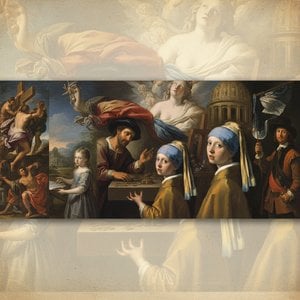
探索巴洛克艺术的辉煌!本文精选十部巨作,带您领略卡拉瓦乔、伦勃朗等大师的光影魔法与戏剧张力。从黄金时代到宗教绘画,感受奢华与精致。WahooArt.com为您提供博物馆品质的艺术复制品和家居装饰灵感。尽在WahooArt.com!

 实景预览
实景预览
 分享
分享 分享
分享
 详情
详情 指南
指南

 下载作品
下载作品
 相似作品
相似作品 X射线
X射线 幻灯片播放
幻灯片播放 问答
问答
 统计数据
统计数据
 展开全文
展开全文









 玻璃选项仅适用于110厘米以下的尺寸。


