
 Acrylic On CanvasWallArtDocumentary Street Photography
 194819th Century
 11.0 x 11.0 cm
 The Gordon Parks Foundation
博物馆级艺术微喷或帆布版画,制作高效,并提供多种饰面选择。 ( 订购此收藏品的纯手工复刻画作 切换至数字图像销售渠道)





























您可以从与原作比例一致的预设尺寸中进行选择。

您可以输入自定义尺寸,以适配特定的画框或空间。如果您选择的尺寸与原图比例不符,我们将对作品进行裁剪,或通过镜像填充/纯色填充边缘的方式来扩展图像。在开始制作之前,我们会向您发送一份数字效果图供您确认。
请注意,屏幕上的预览并不能反映实际的裁剪或扩展效果。只有效果图才能准确展示最终的构图。
虽然我们提供定制尺寸,但为了保持原图比例,我们建议您从预设列表中选择尺寸。

Untitled, Harlem, New York
复刻品尺寸说明
Gordon Parks' "Untitled, Harlem, New York," a black and white photograph from 1948, isn’t merely a snapshot of a baseball game; it’s a carefully constructed observation of urban life, imbued with layers of social commentary and a poignant sense of distance. The image captures three men engaged in an impromptu game on a Harlem street, framed by the unexpected presence of a window or doorway – a device that immediately draws the viewer into the scene as a silent observer, much like those peering through the frame. This framing technique is crucial to understanding the photograph’s deeper meaning; it subtly suggests a commentary on voyeurism and the relationship between the observed and the observer, inviting us to contemplate our own role in witnessing everyday moments.
Parks' masterful use of monochrome elevates the image beyond simple documentation. The absence of color forces us to focus entirely on tonal variations – the subtle gradations of grey that define light and shadow, revealing textures and forms with remarkable clarity. The rough surface of the street, the polished metal of passing cars, and even the fabric of the players’ clothing are rendered with a tactile quality, grounding the scene in a tangible reality. The chalk markings on the ground, seemingly casual additions, provide a delightful counterpoint to the more structured lines of the architecture, hinting at a vibrant, lived-in environment.
Born in 1912 in Fort Scott, Kansas, Gordon Parks’ early life was profoundly shaped by segregation. This experience undoubtedly informed his artistic vision, leading him to become one of the first African Americans to work for both Life and Vogue magazines. “Untitled, Harlem, New York” is a prime example of his documentary style – a commitment to capturing authentic moments of everyday life without embellishment or judgment. The photograph offers a glimpse into the rhythms of Harlem in the 1940s, a period of significant social and cultural change for African Americans in America.
Parks’ work during this era often focused on portraying the realities faced by marginalized communities. While seemingly simple, the scene depicted here speaks volumes about resilience and community spirit. The casual game of baseball represents a brief respite from the challenges of urban life, a moment of shared joy and connection amidst the complexities of the city.
The photograph’s composition is remarkably dynamic, driven by strong diagonal lines created by the framing device. These lines intersect with horizontal elements – the street, the cars, and even the chalk markings – creating a sense of movement and visual tension. The figures in front of the frame, looking into the scene, further emphasize this layered perspective, inviting us to consider our own position as viewers.
Parks’ use of light is equally deliberate. It's diffused and natural, suggesting an overcast day or indirect sunlight, lending a timeless quality to the image. The soft shadows create a sense of intimacy while highlighting the textures of the scene. The careful manipulation of light and shadow contributes significantly to the photograph’s emotional impact, evoking a feeling of nostalgia and prompting reflection on the passage of time.
"Untitled, Harlem, New York" stands as a testament to Gordon Parks’ extraordinary talent for capturing the essence of human experience. It is more than just a photograph; it’s a window into a specific moment in American history and a poignant meditation on observation, perspective, and the complexities of urban life. Parks' work continues to resonate today, reminding us of the power of photography to document, interpret, and ultimately, connect us to the stories of those around us. Reproductions of this iconic image offer a valuable opportunity to experience Parks’ vision firsthand, bringing a touch of Harlem’s vibrant spirit into any space.

作为一名自学成才的艺术家,帕克斯从摄影师起步,并最终成为首位受雇于《生活》杂志(Life)和《时尚》(Vogue)杂志的非裔美国人。他在20世纪40年代为联邦政府项目拍摄的一系列关于美国贫困人口的经典照片,不仅展现了他卓越的艺术技巧,更体现了他对社会现实的深刻关怀与奉献精神。
戈登·帕克斯的遗产远不止于他那令人震撼的作品集,他为后世非裔美国艺术家开辟了道路。他在新闻摄影、电影制作和音乐领域的贡献,至今仍在激励并影响着全球的艺术家。

1912 - 2006 , 美国

Explore the profound evolution of documentary photography through a cultural lens. From early social realism to modern visual narratives, discover how photographers have captured history, labor, and the human condition to redefine fine art.

Explore the profound artistry of black and white photography. From historical mastery to the interplay of light and shadow, discover how monochrome captures timeless emotion and form through a sophisticated lens of art history.
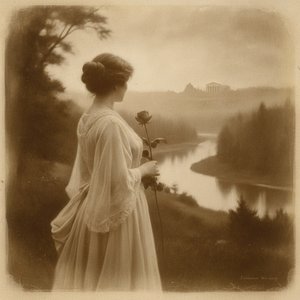
Explore the profound history of Pictorialism, the revolutionary movement that elevated photography to a fine art. Uncover how visionaries used painterly techniques and soft focus to transcend mere documentation, imbuing the lens with the emotional depth of classical masterpieces.

Explore the profound emotional depth of documentary photography art. Discover how collectors curate powerful historical narratives through museum-quality black and white prints and fine art reproductions that preserve humanity's most resilient moments.

Explore the profound evolution of contemporary photography through a connoisseur's lens. From monochrome mastery to digital innovation, discover how modern photographic works shape fine art collections and define our cultural legacy.


 实景预览
实景预览
 发送
发送 分享
分享
 详情
详情 指南
指南

 下载图片
下载图片
 相似作品
相似作品 X射线
X射线 幻灯片播放
幻灯片播放 统计数据
统计数据 阅读全文
阅读全文









 玻璃选项仅适用于110厘米以下的尺寸。


