效果预览 AR 预览 切换至版画销售渠道 购买手绘画作 分享
详情 加入收藏 下载 相似作品 X射线 幻灯片播放 统计数据

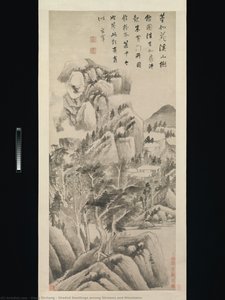
Zhongshan Going on Excursion

A captivating scene of a man being carried in a chair unfolds in this Song Dynasty masterpiece by Gong Kai, offering a rare glimpse into historical Chinese life that you can bring to your private collection.

Discover Gong Kai (1222-1307), a celebrated Chinese painter & poet of the Song Dynasty. Known for 'Merry Gatherings' & misty landscapes, his art reflects political influence.

购买高分辨率增强版数字图像,其品质远超在线预览。

每一份文件都由我们的内部专家使用先进工具与专业的后期润色技术精心打造。我们确保每一张图像都具备卓越的清晰度、精准的色彩还原度以及细腻的细节表现。

最终文件将在 72 小时内通过电子邮件交付,并针对专业、编辑及印刷用途进行了优化。其品质与顶级设计工作室、出版社和画廊所信赖的标准完全一致。

数字图像

下载高分辨率文件,用于个人展示、打印及创意项目。 ( 切换至版画销售渠道 购买手绘画作)

最终价格

$ 24.90

每份数字图像订单均包含

专业数字图像交付,品质保障

选择 WahooArt.com,您获得的不仅仅是一张图像——您收到的是经过专业级增强、精雕细琢的数字艺术作品,并享有满意保证。以下是您的订单中自动包含的所有内容:

shipping_icon
邮件快速送达

您的高分辨率数字图像文件将在下单后 72 小时内通过电子邮件发送给您 —— 即可立即使用。

canvas_icon
AI 增强型数字文件

您的艺术品经过专业优化,结合先进的 AI 技术与人工修饰,确保呈现极致的细节、清晰度与色彩准确度。

insurance_icon
终身免费重发服务

不小心删除了文件或找不到了?没关系——我们将随时为您免费重发。

tax_icon
无需进口费用,始终如一

即刻拥有您的艺术作品,无需支付任何关税、税费或运费——数字下载始终免税。

color_icon
色彩精准保证

我们通过专业工具与色彩管理技术,确保您的数字图像尽可能真实地还原原作色彩。

return_icon
100天满意保证

如果您对所购数字图像不满意,我们将在100天内为您进行修改或提供100%的全额退款——无需任何理由。

guarantee_icon
100% 退款保证

不满意?在收到数字文件后的100天内,您可以申请全额退款——无需任何理由。

discount_icon
批量订单优惠

购买 3 张图片可享 10% 折扣 - 购买 5 张可享 15% 折扣 - 购买 10+ 张可享 20% 折扣。非常适合创意项目、画廊和机构使用。

作品概览

  • Artist: Gong Kai
  • Subject or theme: A man in a chair being pulled by attendants
  • Title: Zhongshan Going on Excursion
  • Year: 1300

A Journey Through Time: The Spirit of Song Dynasty Elegance

In the delicate dance of ink and brush, Zhongshan Going on Excursion emerges as a profound window into the soul of the late Song Dynasty. This evocative masterpiece by the legendary Gong Kai captures more than just a moment in time; it invites the viewer into a rhythmic procession that feels both intimate and monumental. The scene unfolds with a sense of quiet grandeur, depicting a central figure seated in an ornate chair, being tenderly guided through a landscape by attendants. As your eyes wander across the composition, you encounter a tapestry of human connection—figures kneeling, standing, and sharing communal moments, perhaps even preparing food for the journey. There is a palpable sense of movement, yet it is tempered by a serene, meditative stillness that defines the very essence of classical Chinese ink wash painting.

The artistry of Gong Kai, a master poet and painter, is felt in every deliberate stroke. The technique relies on the sophisticated interplay of light, shadow, and varying densities of ink to create depth without the need for heavy pigments. Through subtle gradations, the artist breathes life into the figures and their surroundings, using fine lines to delineate the textures of clothing and the structural weight of the sedan chair. This mastery of shui-mo (ink wash) allows for a misty, atmospheric quality that suggests an expansive world existing just beyond the edges of the frame. For the discerning collector or interior designer, this piece offers a sophisticated focal point, bringing a sense of historical weight and scholarly refinement to any curated space.

Symbolism and the Poetics of the Landscape

Beyond its literal depiction of an excursion, the painting serves as a profound allegory for the complexities of leadership, social harmony, and the transient nature of life. The central figure, elevated yet surrounded by his community, symbolizes the delicate balance between authority and the shared human experience. The presence of others—the attendants, the observers, and those engaged in the humble tasks of sustenance—creates a narrative of interdependence. In the context of Gong Kai’s era, such imagery often carried subtle political undertones, reflecting the shifting tides of power and the enduring importance of tradition amidst a changing world.

The emotional resonance of Zhongshan Going on Excursion lies in its ability to evoke nostalgia for a lost era of elegance. It is a work that speaks to the heart of those who appreciate the beauty of simplicity and the profound depth found in subtle details. Whether displayed in a contemporary gallery or as a centerpiece in a classic study, this reproduction serves as an enduring testament to the power of the brush to capture the fleeting essence of human dignity and the eternal grace of the natural world.


艺术家简介

Don Enright: A Pioneer of Big Game Wildlife Art

Don Enright (1903 – 1987) stands as a pivotal figure in the history of American wildlife art, particularly renowned for his evocative depictions of big game animals in expansive landscapes. Born in Washington State, Enright’s artistic journey began modestly, initially pursuing work as a commercial illustrator before dedicating himself fully to capturing the grandeur and spirit of the natural world. His career spanned nearly seven decades, during which he produced an astonishing body of work – over 300 paintings – that cemented his legacy as one of the most celebrated wildlife artists of the 20th century. Enright’s art wasn't merely about accurate representation; it was a deeply felt appreciation for the wilderness and its inhabitants, imbued with a sense of respect and wonder.

Early Life and Artistic Beginnings

Enright’s early life instilled in him a profound connection to the outdoors. Growing up on a ranch in Washington State provided constant exposure to wildlife and the vastness of the landscape – experiences that would profoundly shape his artistic vision. Initially, he worked as an illustrator for various publications, honing his skills in composition, perspective, and rendering detail. This commercial experience proved invaluable, teaching him how to effectively communicate ideas through visual means. However, it was a chance encounter with the work of Charles Henry Simpson, a renowned wildlife artist, that truly ignited Enright’s passion for painting animals in their natural habitats. Simpson's emphasis on capturing the animal's personality and movement served as a significant inspiration.

Style and Technique: A Master of Impressionistic Realism

Enright’s artistic style is often described as a blend of impressionistic realism. He skillfully employed loose brushstrokes and vibrant colors to convey the atmosphere and light of the landscapes he depicted, while simultaneously rendering his subjects with remarkable accuracy and detail. He was particularly adept at capturing the texture of fur, feathers, and hides, creating an illusion of tactile reality. Unlike many wildlife artists who focused solely on the animal itself, Enright consistently integrated them seamlessly into their environments, emphasizing their place within a larger ecosystem. His compositions frequently utilized dramatic lighting – often utilizing backlighting or sidelighting – to create depth, mood, and a sense of drama. He was also known for his use of atmospheric perspective, subtly blurring distant elements to convey the vastness of the landscapes he portrayed.

Duck Stamp Artist and Recognition

Enright’s artistic talents gained widespread recognition through his prolific work as a duck stamp artist. From 1947 to 1978, he designed over 30 official U.S. Fish & Wildlife Service duck stamps, each depicting a different waterfowl species in its natural habitat. These stamps not only served as hunting licenses but also became iconic symbols of conservation efforts, and Enright’s artwork played a crucial role in raising awareness about the importance of protecting America's wildlife resources. His duck stamp designs were celebrated for their beauty, accuracy, and ability to capture the essence of the featured species. The success of his duck stamps significantly boosted his profile within the art world and established him as a leading figure in wildlife illustration.

Legacy and Influence

Don Enright’s impact on American wildlife art is undeniable. He demonstrated that it was possible to create powerful, emotionally resonant images of animals while simultaneously respecting their natural habitats. His work continues to inspire artists today, and his legacy as a master of big game wildlife art remains secure. His paintings are held in numerous museums and private collections across the United States, testament to the enduring appeal of his evocative depictions of the American wilderness. Beyond his artistic achievements, Enright’s dedication to conservation served as an example for future generations of artists and environmental stewards. His work stands as a reminder of the beauty and importance of preserving our natural world.
gong kai

gong kai

1222 - 1307 , China

基本信息

  • Artistic Movement Or Style: Big game wildlife, duck stamp artist
  • Date Of Death: 1987
  • Full Name: Don Enright
  • Nationality: American
  • Notable Artworks: ['Big game wildlife landscapes']
  • Place Of Birth: Washington