
 Oil On CanvasWallArtDutch Golden Age
 1680
1680 65.0 x 80.0 cm
 大都会艺术博物馆
博物馆级艺术微喷或帆布版画,制作高效,并提供多种饰面选择。 ( 购买手绘画作 切换至数字图像销售渠道)





























从与原作比例一致的预设尺寸中进行选择。

您可以输入自定义尺寸,以适配特定的画框或空间。如果您选择的尺寸与原图比例不符,我们将对作品进行裁剪,或通过镜像填充/纯色填充边缘的方式来扩展图像。在开始制作之前,我们会向您发送一份数字效果图供您确认。
请注意,屏幕上的预览并不能反映实际的裁剪或扩展效果。只有效果图才能准确展示最终的构图。
虽然我们提供定制尺寸,但为了保持原图比例,我们建议您从预设列表中选择尺寸。

Cephalus and Procris
复制品尺寸
Godfried Schalcken's "Cephalus and Procris," painted around 1680, isn’t merely a depiction of a tragic myth; it’s a masterclass in atmospheric storytelling rendered with the subtle grace characteristic of the Leiden *fijnschilders*. This intimate genre scene, now meticulously reproduced, transports us to a moonlit forest, where the drama unfolds not through grand gestures but through carefully observed details and an exquisite manipulation of light. The painting captures a pivotal moment – Procris’s final moments after being fatally wounded by Cephalus's spear – yet it avoids sensationalism, instead offering a poignant meditation on love, betrayal, and the devastating consequences of suspicion.
Schalcken’s genius lies in his ability to evoke a profound sense of melancholy through the masterful use of candlelight. The scene is bathed in a cool, diffused glow emanating from unseen sources, casting long, dramatic shadows that engulf the figures and heighten the feeling of isolation. Notice how he renders the texture of the forest floor – not with stark realism but with a delicate layering of browns and greens, suggesting damp earth and fallen leaves. This isn’t a landscape designed for immediate recognition; it's an environment imbued with mood and atmosphere, acting as a silent witness to the unfolding tragedy.
The painting draws directly from Ovid’s *Metamorphoses*, one of the most influential narratives of Roman literature. The myth itself is a cautionary tale – a demonstration of how unfounded suspicion can destroy even the purest love. Cephalus, a respected Athenian prince, becomes consumed by jealousy and paranoia after hearing rumors that his wife, Procris, is unfaithful. Driven by this irrational fear, he impulsively kills her with his spear, unaware of the devastating consequences of his actions.
Schalcken doesn’t shy away from the brutality of the event, but he tempers it with a profound sense of sorrow. The composition focuses on Procris's vulnerability – she lies prone on the forest floor, her body partially obscured by shadow, while Cephalus cradles her lifeless form in his arms. His expression is one of anguish and regret, conveying the weight of his irreversible mistake. The subtle details—the delicate folds of her dress, the gentle curve of her hand—underscore her beauty and innocence, making her death all the more heartbreaking.
Schalcken’s technical skill is evident in every brushstroke. He employs a meticulous layering technique, building up color gradually to create a sense of depth and realism. The fabrics—Cephalus's cloak and Procris’s dress—are rendered with remarkable detail, showcasing the texture and sheen of the materials. His use of *chiaroscuro* – the dramatic contrast between light and shadow – is particularly noteworthy. It’s not merely a stylistic device; it serves to heighten the emotional impact of the scene, drawing our attention to key elements and creating a sense of drama.
Schalcken was deeply influenced by Gerrit Dou, another prominent Leiden painter known for his atmospheric lighting effects. Like Dou, Schalcken sought to capture the fleeting quality of light and shadow, imbuing his paintings with a sense of immediacy and realism. His work reflects the broader artistic trends of the Dutch Golden Age, characterized by a focus on intimate scenes, psychological depth, and a sophisticated understanding of color and composition.
Beyond the literal depiction of the myth, “Cephalus and Procris” is rich in symbolism. The forest itself represents the unknown—a place of danger and uncertainty. The candlelight symbolizes hope and love, but also the potential for deception and betrayal. The act of killing – a violent intrusion into the quiet beauty of nature – underscores the destructive power of jealousy and suspicion.
Ultimately, Schalcken’s painting is a powerful meditation on human emotions—love, loss, regret, and the devastating consequences of unchecked passion. It's a work that continues to resonate with viewers today, reminding us of the fragility of relationships and the importance of trust. The reproduction captures this emotional depth, allowing you to experience the painting's haunting beauty in your own home.

戈德弗里德·沙尔肯(Godfried Schalcken,1643 – 1706)是荷兰绘画史上一位低调而重要的身影。他是一位技艺精湛、光影描绘极富感染力的大师,在著名的莱顿fijnschilders(小画家)圈子中赢得了认可。尽管常常被伦勃朗和维米尔的宏大声誉所掩盖,但沙尔肯的艺术价值却体现在他精致的世俗场景画和肖像画中,尤其是他对捕捉烛光微妙戏剧性的非凡能力——这项技艺巩固了他作为那个时代最圆润艺术家之一的地位。他的生命背景是一片快速变迁的荷兰共和国,这是一个充满艺术创新与政治动荡的时期,塑造了他的职业轨迹,并最终造就了他略带孤傲的存在感。
沙尔肯出生于多德根(Dordrecht),是科内利斯·沙尔肯和阿莱塔·利迪乌斯的儿子。戈德弗里德的早年生活浸润在艺术的世界之中。他的父亲是一位受人尊敬的拉丁学校校长,为他提供了有利于艺术发展的环境。他在多德根接受了从萨缪尔·范霍格斯特拉滕(Samuel van Hoogstraten)的第一批训练,吸收了当时荷兰绘画所特有的disegno原则——即对素描和细致观察的强调。这种基础教育至关重要,因为后来他在莱顿拜访了杰拉德·杜(Gerard Dou,1613–1675),这位伦勃朗最著名的学生之一,学习指导。杜的影响在沙尔肯早期的作品中体现得淋漓尽致——对细节的一丝不苟、克制的色调,以及对光线的精妙操控,立刻回响着那位大师标志性的风格。这些早期的世俗画几乎模仿了杜的处理方式,展现出明显的学徒痕迹和对师门技艺的深深敬意。
沙尔肯的职业生涯经历了几个关键阶段。他曾在莱顿度过了相当长的时间,直到大约1675年,在此磨练技巧并发展出自己独特的风格。这一时期的作品以一种精致的优雅和近乎照片般的写实主义为特征——这是莱顿fijnschilders的标志性印记。然而,他很快返回了多德根(1675-1691年),之后于约1691年定居海牙,并在那里继续了他的艺术创作生涯直到1706年去世。一个值得注意的插曲发生在1692年至1697年间,当时他前往了英国。然而,由于他臭名昭著的难相和不良举止,这次旅程大多未能成功,使他与英国艺术界产生了隔阂。
沙尔肯最受赞誉的成就在于他对光线的无与伦比的掌控。他拥有令人惊叹的能力,能够以令人窒息的准确性描绘出烛光的微妙层次——那闪烁的强度、温暖的光晕,以及戏剧性的阴影。这不仅仅是一种技术技巧;它更是一种深植于内心的审美情怀。他明白,烛光不只是照明;它是氛围、情感和叙事深度的源泉。他的画作经常描绘沐浴在这空灵之光中的亲密场景,营造出一种宁静的戏剧感和心理上的洞察力。
他对烛光的迷恋体现在众多作品中,包括肖像画,柔和的光芒照亮了人物的面庞,揭示了他们的性格与情感。他捕捉物体表面——织物、金属和皮肤——光影变化的能力是真正非凡的。他经常运用一种被称为chiaroscuro(明暗对照法)的技术,利用光与暗的强烈对比来增强戏剧性并营造出三维的空间感。这项技艺使他区别于许多同时代的艺术家,确立了他在荷兰光影绘画传统中的领军地位。
在沙尔肯最重要的作品中,有几幅肖像画展示了他的技术才华和艺术敏感性。目前收藏于阿姆斯特丹国立博物馆的威廉三世国王半身像,就是其精致风格的典范——一幅精心描绘了国王面容的作品,沐浴在温暖的烛光之中。他的画作还收藏于白金汉宫、卢浮宫、维也纳和德累斯顿等享有盛誉的馆藏中,这证明了其经久不衰的魅力。
沙尔肯的艺术发展深受杰拉德·杜的影响,但他同时也从包括伦勃朗在内的其他大师那里汲取灵感。虽然初期模仿了杜的风格,但沙尔肯逐渐发展出了自己独特的声调,将卡拉瓦乔式的元素——即卡拉瓦乔所倡导的光影戏剧性运用——融入了他的构图之中。这种影响的综合,产生了一种既优雅又充满情感共鸣的独特艺术风格。
戈德弗里德·沙尔肯的职业生涯正值荷兰共和国经历重大艺术和社会变革的时期。《fijnschilders》的兴起——这个强调精致、精确和细致技艺的艺术家群体——反映了社会整体向更高雅和更精妙美学转变的文化趋势。沙尔肯对这些价值的坚持,巩固了他在这个有影响力的圈子中的地位。
尽管他拥有卓越的技术造诣和艺术成就,但沙尔肯的遗产常常被伦勃朗和维米尔的光芒所掩盖。然而,近期的学术研究已经开始认识到像沙尔肯这样的艺术家所做出的独特贡献,重点突出了他对捕捉光线微妙之处的非凡技巧,以及他在塑造荷兰绘画发展中的重要作用。他的画作至今仍以其宁静的美感、精湛的技术和富有感染力的氛围吸引着观者——这证明了烛光永恒的力量和戈德弗里德·沙尔肯的艺术功力。

1643 - 1706 , 荷兰
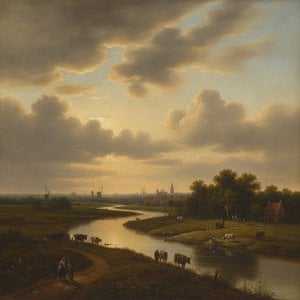
Discover the breathtaking beauty of Dutch Golden Age landscapes. Explore the mastery of light, chiaroscuro, and 17th-century realism through an expert art history lens, celebrating the enduring legacy of the Dutch Masters for discerning collectors and art lovers.

Embark on a cultural journey through the Dutch Golden Age. Explore the masterful interplay of light and shadow in 17th-century masterpieces, from Rembrandt to Vermeer, and discover how this era of profound realism continues to inspire fine art collectors today.
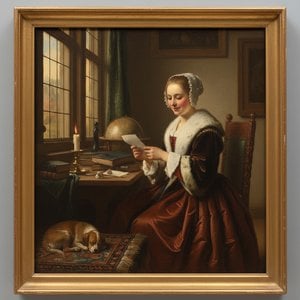
Explore the exquisite world of Gerrit Dou, a master of Dutch Golden Age painting. Discover his intimate genre scenes, signature use of light, and lasting legacy. Learn about collecting Dou's works & their value.

深入探索荷兰黄金时代绘画的文化创新与现实主义反思。本文解读伦勃朗、维米尔等大师的作品,并结合玛莉特·韦斯特曼的图像学研究,揭示艺术史背后的社会语境与现代性意识觉醒。
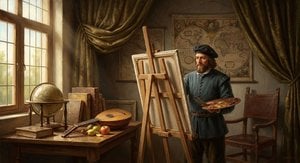
深入探索十七世纪荷兰黄金时代绘画的辉煌!解读林布兰、维米尔等大师的光影技巧与人文精神,了解巴洛克风格、风俗画的演变。艺术史专家带您领略珍品收藏,提升艺术鉴赏力。


 效果预览
效果预览
 分享
分享 分享
分享
 详情
详情

 下载
下载
 相似作品
相似作品 X射线
X射线 幻灯片播放
幻灯片播放 统计数据
统计数据 展开详情
展开详情









 玻璃选项仅适用于110厘米以下的尺寸。


