
x


 Oil On CanvasWallArtBaroque
 1712
1712 127.0 x 94.0 cm
 Gemäldegalerie Alte Meister




























从与原作比例一致的预设尺寸中进行选择。

您可以输入自定义尺寸,以适配特定的画框或空间。如果您选择的尺寸与原图比例不符,我们将对作品进行裁剪,或通过镜像填充/纯色填充边缘的方式来扩展图像。在开始制作之前,我们会向您发送一份数字效果图供您确认。
请注意,屏幕上的预览并不能反映实际的裁剪或扩展效果。只有效果图才能准确展示最终的构图。
虽然我们提供定制尺寸,但为了保持原图比例,我们建议您从预设列表中选择尺寸。

Matrimony
复制品尺寸
Giuseppe Maria Crespi's "Matrimony," painted in 1712, isn’t merely a depiction of a wedding ceremony; it’s a meticulously observed snapshot of social dynamics and the subtle power structures within Bolognese society. Housed at the Gemäldegalerie in Dresden, Germany, this oil on canvas offers a remarkably intimate glimpse into the lives of its subjects – a testament to Crespi's skill in capturing not just appearances but also the unspoken narratives woven into everyday interactions. The painting’s enduring appeal lies in its ability to transport us back to 18th-century Italy, revealing a world both familiar and subtly alien through the lens of a master artist.
Crespi's composition is immediately striking for its sense of contained intimacy. The scene unfolds within what appears to be a modestly furnished room, bathed in soft, diffused light – a deliberate choice that encourages close observation. Two men are engaged in conversation at a table, while two women stand quietly in the background, their postures suggesting a degree of deference and observation. This arrangement isn’t haphazard; it subtly reinforces the established social hierarchy of the time. The seated man, dressed in a richly adorned robe with a fur collar, clearly holds a position of authority – his gesture, directing attention towards his companion, underscores this dominance. The women, clad in simpler attire, occupy a secondary role, their presence acknowledging the importance of family and lineage within the marriage arrangement. Crespi’s brushwork is remarkably confident and expressive; bold strokes delineate the figures while subtle variations in texture capture the richness of fabrics and the nuances of facial expressions. The artist masterfully balances realism with an almost theatrical quality, elevating a commonplace event into something visually compelling.
“Matrimony” is far more than just a record of a wedding; it’s laden with symbolic meaning. The rosary draped over the bride's robe, for instance, speaks to her piety and devotion – a crucial element in securing a favorable marriage. The muted colors and restrained gestures suggest a focus on duty and social obligation rather than exuberant celebration. Crespi deliberately avoids overtly romanticizing the scene, instead presenting a realistic portrayal of the complexities inherent in choosing a partner within a structured society. The painting invites us to consider not just *what* is happening but *why*, prompting questions about the roles of men and women, the importance of social status, and the pressures exerted by tradition. The setting itself – a private room rather than a grand ballroom – further emphasizes the intimate nature of the decision-making process.
Crespi’s work is firmly rooted in the Bolognese Baroque, a style characterized by its dramatic lighting, dynamic compositions, and focus on human emotion. Bologna during the 18th century was a vibrant center of artistic innovation, attracting artists from across Italy and beyond. Crespi, nicknamed “Lo Spagnuolo” for his penchant for Spanish fashion, broke with traditional academic painting by embracing genre scenes – depictions of everyday life – and portraying them with remarkable psychological depth. His ability to capture the nuances of human interaction, combined with his technical skill, established him as one of the most important artists of his time. “Matrimony,” therefore, represents a pivotal moment in Crespi’s career, showcasing his evolving style and his willingness to explore complex social themes.
Despite its historical context, "Matrimony" continues to resonate with viewers today. The painting's quiet intensity, coupled with the subtle expressions on the faces of the figures, evokes a sense of contemplation and perhaps even melancholy. It’s a reminder that behind every grand event lies a complex web of social expectations, personal desires, and unspoken anxieties. The scene is both familiar and strangely distant, inviting us to reflect on our own understanding of love, marriage, and the enduring power of tradition. Reproductions of this captivating work offer a unique opportunity to bring this slice of 18th-century Italian life into your home, serving as a beautiful conversation piece and a window into a bygone era.


1665 - 1747 , 意大利
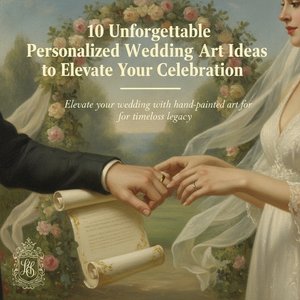
作为婚礼策划师的灵感指南,本文为您深度解析10种超越传统婚纱照的创意定制艺术品。从古典油画肖像到现代水彩叙事,探索如何通过高品质手绘艺术捕捉爱情瞬间,打造具有传世价值的婚礼记忆与家居装饰。为追求极致美学的新人提供专业的艺术定制策略与审美建议。

Discover why a hand-painted wedding portrait is the ultimate luxury heirloom. Elevate your wedding memories beyond photography with bespoke oil paintings that transcend generations through timeless artistry and meticulous craftsmanship.


第一时间获取最新的艺术新闻、独家优惠及装饰灵感。
向我们介绍您的项目需求,我们的艺术专家将为您提供 3 个个性化的艺术品推荐。
由我们的专家为您精选 3 款心仪之作 —— 完全免费!


 效果预览
效果预览
 购买手绘画作
 分享
分享 分享
分享
 详情
详情

 下载
下载
 相似作品
相似作品 X射线
X射线 幻灯片播放
幻灯片播放 展开详情
展开详情









 玻璃选项仅适用于110厘米以下的尺寸。


