
x


 Baroque
 1723Early Modern
 94.0 x 789.0 cm




























从与原作比例一致的预设尺寸中进行选择。

您可以输入自定义尺寸,以适配特定的画框或空间。如果您选择的尺寸与原图比例不符,我们将对作品进行裁剪,或通过镜像填充/纯色填充边缘的方式来扩展图像。在开始制作之前,我们会向您发送一份数字效果图供您确认。
请注意,屏幕上的预览并不能反映实际的裁剪或扩展效果。只有效果图才能准确展示最终的构图。
虽然我们提供定制尺寸,但为了保持原图比例,我们建议您从预设列表中选择尺寸。

Untitled (D2WVJ2)
复制品尺寸
In the quietude of a sun-drenched meadow, three horses stand as silent sentinels of a bygone era, captured with a breathtaking precision that transcends time. This exquisite work by Giuseppe Castiglione, titled Untitled (D2WVJ2), offers more than just a depiction of animals; it provides a window into a unique moment in art history where the Renaissance traditions of Europe met the imperial grandeur of the Qing Dynasty. The composition is masterfully balanced, guiding the viewer's eye across a lush, verdant landscape where each equine figure possesses its own distinct character and presence. One horse stands slightly larger, commanding the center of the frame, while its companions flank it with a gentle, naturalistic poise that suggests a moment of peaceful repose in their natural habitat.
The technique employed here is nothing short of miraculous, showcasing Castiglione’s legendary ability to blend Western chiaroscuro with the delicate, linear elegance of Chinese brushwork. Through subtle gradations of light and shadow, the artist breathes life into the muscular anatomy of the horses, giving them a palpable sense of weight and three-dimensional form. The texture of their coats, the soft undulations of the grassy foreground, and the receding depth of the distant hillside all contribute to a profound sense of realism. This mastery of light—often referred to as his "Jesuit style"—creates an atmospheric luminosity that makes the scene feel as though it is bathed in the soft, golden glow of a late afternoon, inviting the observer to step directly into the pastoral serenity.
Beyond its technical brilliance, the painting carries a deep emotional resonance and historical significance. As a court painter to the emperors Kangxi, Yongzheng, and Qianlong, Castiglione was tasked with documenting the majesty of the empire. The horse, a symbol of strength, nobility, and imperial power, serves as the perfect subject for this cross-cultural dialogue. For the discerning collector or interior designer, this piece offers an unparalleled opportunity to introduce a sense of classical sophistication and tranquil grandeur into a space. Whether placed in a formal gallery setting or as a focal point in a contemporary living room, the artwork radiates a timeless elegance that inspires contemplation and evokes the enduring beauty of the natural world.
Integrating such a magnificent reproduction into an interior design scheme allows for a narrative-driven decor. The expansive scale of 94 x 789 cm makes it a commanding presence, capable of anchoring a room with its rich textures and historical depth. It is a piece that does not merely decorate a wall; it transforms an environment, offering a sophisticated touch of heritage and a serene escape into the harmonious landscapes of the eighteenth century.

Giuseppe Castiglione was an Italian Jesuit brother and missionary who left a significant mark on Chinese art during the Qing dynasty. Born in Milan, he joined the Society of Jesus and eventually served as an artist at the imperial court for three successive emperors: Kangxi, Yongzheng, and Qianlong. His unique ability to blend European artistic techniques with traditional Chinese styles made him a highly valued figure within the imperial household.

1688 - 1766 , Italy
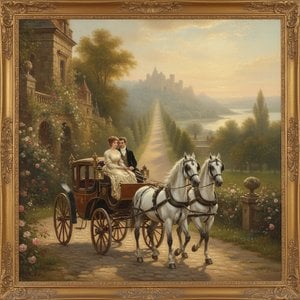
Embark on a visual journey through the romantic world of horse carriage art. Discover the mastery of equestrian oil paintings, from Impressionist textures to classical realism, and learn how to bring timeless elegance into your home with museum-quality reproductions.

Discover the profound emotional depth of Color Field Painting. Explore how masters use pure color and expansive scale to evoke the sublime, offering expert insights for discerning collectors seeking to integrate chromatic abstraction into sophisticated modern interiors.

Elevate your interior with WahooArt.com's bespoke multi-panel polyptychs. Discover our expert guide to creating stunning, hand-painted art sets with over 150 curated layouts, seamless brushwork, and professional digital staging for the discerning collector.
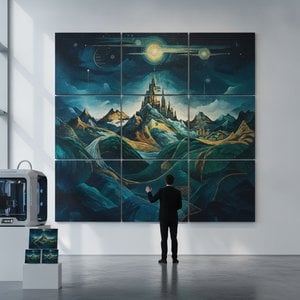
Discover the elegance of custom multi-panel group set art at WahooArt.com. From bespoke layouts to hand-painted oil masterpieces, our expert guide helps elite collectors curate breathtaking, large-scale installations tailored for sophisticated interiors.

Explore the profound depth of Color Field painting. Our expert guide delves into the mastery of Morris Louis and Jules Olitski, offering sophisticated insights for discerning collectors seeking to understand the psychological power and aesthetic elegance of chromatic abstraction.


第一时间获取最新的艺术新闻、独家优惠及装饰灵感。
向我们介绍您的项目需求,我们的艺术专家将为您提供 3 个个性化的艺术品推荐。
由我们的专家为您精选 3 款心仪之作 —— 完全免费!


 效果预览
效果预览
 购买手绘画作
 分享
分享 分享
分享
 详情
详情

 下载
下载
 相似作品
相似作品 X射线
X射线 幻灯片播放
幻灯片播放 展开详情
展开详情









 玻璃选项仅适用于110厘米以下的尺寸。


