
 Oil On CanvasWallArtBaroque Portraiture
 1574
1574 88.0 x 67.0 cm
博物馆级艺术微喷或帆布版画,制作高效,并提供多种饰面选择。 ( 购买手绘画作 切换至数字图像销售渠道)





























从与原作比例一致的预设尺寸中进行选择。

您可以输入自定义尺寸,以适配特定的画框或空间。如果您选择的尺寸与原图比例不符,我们将对作品进行裁剪,或通过镜像填充/纯色填充边缘的方式来扩展图像。在开始制作之前,我们会向您发送一份数字效果图供您确认。
请注意,屏幕上的预览并不能反映实际的裁剪或扩展效果。只有效果图才能准确展示最终的构图。
虽然我们提供定制尺寸,但为了保持原图比例,我们建议您从预设列表中选择尺寸。

The Waiter
复制品尺寸
Giuseppe Arcimboldo's “The Waiter,” painted in 1574, is more than just a depiction of a man; it’s an invitation into the richly layered world of a Renaissance mind. This captivating artwork, measuring 88 x 67 cm, exemplifies Arcimboldo’s revolutionary approach to portraiture – a technique that transformed the genre into a complex and deeply symbolic visual puzzle. The painting immediately draws the eye to the central figure: a man distinguished by his vibrant red hat adorned with a meticulously painted face, a detail that subtly hints at the artist's own self-portrait within the larger composition. His carefully constructed features – the handlebar mustache, the thoughtful gaze – are not merely decorative; they are integral components of a deliberate and intricate design.
Arcimboldo's genius lay not just in his subject matter but also in his extraordinary technical skill. “The Waiter” showcases a remarkable mastery of *disegno*, the Italian term for drawing, which was central to Renaissance artistic training. The artist painstakingly arranged an array of objects – a clock, a bowl, bottles, and various fruits – within the confines of the man’s head and shoulders, creating a three-dimensional illusion that defies easy interpretation. This technique, known as *capriccio*, or frottage, was incredibly demanding, requiring immense patience and precision. The layering of textures—the smooth glass of the wine glass, the rough surface of the clock face, the delicate petals of flowers – adds to the painting’s tactile quality and reinforces its illusionistic effect. The composition itself is carefully balanced, drawing the viewer's eye through a series of visual pathways, each leading to another intriguing detail.
Beyond mere aesthetic pleasure, Arcimboldo’s work was steeped in symbolism, reflecting the intellectual currents of the Renaissance. The inclusion of objects like books and musical instruments speaks to the importance of learning and the arts during this period. The clock suggests a preoccupation with time – a recurring theme in Arcimboldo's portraits – while the fruits and vegetables could represent fertility, abundance, or even mortality. The overall effect is one of intellectual engagement, inviting the viewer to decode the layers of meaning embedded within the seemingly simple scene. It’s believed that Arcimboldo created these portraits for members of the court, offering a personalized allegory reflecting their status and interests.
"The Waiter" transcends its historical context to offer a powerful emotional resonance. The painting's enigmatic quality – the man's expression, the carefully arranged objects – invites contemplation and speculation. It’s a testament to Arcimboldo’s ability to capture not just a likeness but also a mood, an atmosphere of intellectual curiosity and artistic ambition. As one of the most significant figures in Renaissance art, Arcimboldo’s work continues to inspire awe and admiration, demonstrating the power of art to challenge perceptions and ignite the imagination. This hand-painted reproduction offers a unique opportunity to own a piece of this extraordinary legacy.


1527 - 1593

Explore the profound beauty of fruit arrangement masterpieces. From Dutch Golden Age opulence to Baroque chiaroscuro, discover the art history, symbolism, and timeless elegance of classical still life paintings for the discerning collector.
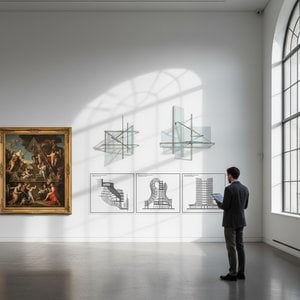
Discover the profound impact of composition on fine art. Explore how masters use geometry, light, and structural harmony to breathe life into masterpieces—an essential guide for discerning collectors seeking depth in every brushstroke.
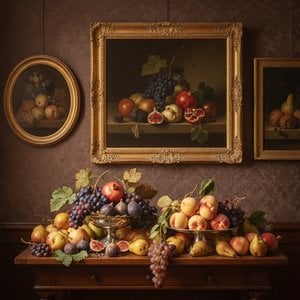
Discover the profound beauty of fruit still life paintings. Explore the rich symbolism, Baroque mastery, and timeless allure of nature's bounty through an art-historical lens, perfect for collectors and enthusiasts of classical fine art.

Master the art of visual literacy with our professional guide to formal art analysis. Learn to decode line, color, composition, and texture to uncover the profound meaning behind every masterpiece through a structured, academic lens.

Explore the profound influence of geometry and line in fine art. Discover how structural composition creates visual impact, from Cubist mastery to Op Art precision, and learn to curate sophisticated, mathematically balanced collections for discerning art connoisseurs.


 效果预览
效果预览
 分享
分享 分享
分享
 详情
详情

 下载
下载
 相似作品
相似作品 X射线
X射线 幻灯片播放
幻灯片播放 统计数据
统计数据 展开详情
展开详情









 玻璃选项仅适用于110厘米以下的尺寸。


