Oil On CanvasWallArtRenaissance
 1566
1566 64.0 x 51.0 cm
 格里п斯霍姆城堡




























从与原作比例一致的预设尺寸中进行选择。

您可以输入自定义尺寸,以适配特定的画框或空间。如果所选尺寸与原图比例不符,我们将通过裁剪作品或添加手绘元素来扩展画面。数字样稿将在制作开始前发送给您确认。
请注意,屏幕预览无法准确反映实际的裁剪或扩展效果,只有样稿才能真实呈现最终的构图。
虽然我们提供定制尺寸服务,但为了保留原作比例,建议您从预设列表中选择尺寸。

The Jurist
复制品尺寸
Giuseppe Arcimboldo’s “The Jurist,” completed in 1566, stands as an astonishing testament to Renaissance artistic ingenuity and a masterful exploration of visual symbolism. More than just a portrait—albeit an extraordinarily unconventional one—it embodies the intellectual currents of its time, reflecting a fascination with humanist ideals intertwined with anxieties about religious dogma.
At first glance, the painting presents itself as a familiar genre piece: a depiction of an elderly man in profile. However, Arcimboldo swiftly dismantles conventions by constructing his subject’s visage from meticulously arranged fruits, vegetables, flowers, books, and musical instruments—a technique that would solidify his reputation as one of the most inventive artists of the era.
The stylistic influence of Leonardo da Vinci is palpable. Like Da Vinci's sfumato, Arcimboldo employs subtle shading to create an illusion of depth and volume, lending a remarkable realism to what appears initially to be an assemblage of disparate objects. The artist’s meticulous attention to detail—evident in the individual textures of each element—further enhances the impression of authenticity.
“The Jurist” transcends mere visual representation; it invites contemplation on themes of intellectuality, morality, and the pursuit of truth. Arcimboldo’s audacious approach challenges viewers to reconsider their perceptions of portraiture and celebrates the transformative power of artistic imagination. The painting's enduring appeal lies in its ability to provoke thought and inspire wonder—a remarkable achievement considering its unconventional composition.
Its muted green background serves not only as a neutral backdrop but also subtly reinforces the overarching theme of jurisprudence, suggesting stability and impartiality. Arcimboldo’s masterful manipulation of light and shadow further emphasizes the contours of the face, creating an arresting visual experience that captures both the solemn dignity of the subject and the artist's profound understanding of humanist ideals.
Today, reproductions of “The Jurist” adorn homes and galleries worldwide, serving as a reminder of Arcimboldo’s unparalleled artistic vision—a vision that continues to captivate audiences centuries after its creation.

1527 - 1593

Explore the profound beauty of fruit arrangement masterpieces. From Dutch Golden Age opulence to Baroque chiaroscuro, discover the art history, symbolism, and timeless elegance of classical still life paintings for the discerning collector.
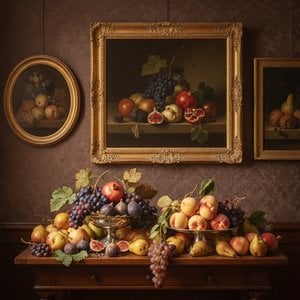
Discover the profound beauty of fruit still life paintings. Explore the rich symbolism, Baroque mastery, and timeless allure of nature's bounty through an art-historical lens, perfect for collectors and enthusiasts of classical fine art.

Embark on a sophisticated journey through art history with our exploration of still life masterpieces. Discover the profound symbolism behind classical paintings of drinks and fruit, curated for the true connoisseur seeking timeless elegance and academic depth.
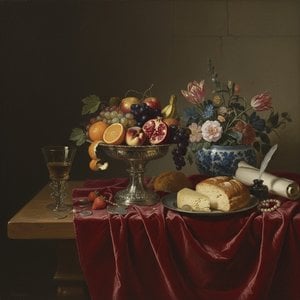
Embark on a sophisticated journey through the history of still life art. From Dutch Golden Age masterpieces to Baroque opulence, explore the profound symbolism and timeless beauty of the world's most exquisite table compositions.

Embark on a visual journey through history's most opulent masterpieces. Explore the breathtaking beauty of Baroque banquets and fruit still lifes, celebrating themes of abundance and luxury through the lens of timeless classical art expertise.


 效果预览
效果预览
 购买印刷品
购买印刷品 分享
分享 分享
分享
 详情
详情

 下载
下载
 相似作品
相似作品 X射线
X射线 幻灯片播放
幻灯片播放 展开详情
展开详情









 玻璃选项仅适用于110厘米以下的尺寸。