
 Acrylic On CanvasWallArtRenaissance Mannerism
 1570
1570 53.0 x 41.0 cm
 國家博物館
國家博物館博物馆级艺术微喷或帆布版画,制作高效,并提供多种饰面选择。 ( 订购此收藏品的纯手工复刻画作 切换至数字图像销售渠道)





























您可以从与原作比例一致的预设尺寸中进行选择。

请输入您所需的宽度和高度,以适配您的画框或墙面。由于印刷品只能进行裁剪,无法超出原图尺寸,因此若比例不一致,画面的一部分将会被裁切。在正式印刷之前,我们会为您发送一份数字效果图供您确认。本页面显示的图片并非最终裁剪后的效果——只有效果图才能展示真实的裁剪情况。
The Cook
复刻品尺寸说明
Giuseppe Arcimboldo's "The Cook," painted around 1570 and now residing in the Nationalmuseum of Stockholm, isn’t merely a still life; it’s an audacious visual riddle, a meticulously constructed portrait that simultaneously depicts a roasted fowl and a human face. Turning the canvas upside down unlocks this hidden image – a striking testament to Arcimboldo's mastery of trompe-l'oeil and his profound understanding of Renaissance symbolism. This work transcends simple representation, becoming a meditation on identity, transformation, and the very nature of perception.
The painting itself is dominated by an abundance of autumnal bounty: plump pears, glistening cherries, roasted meats arranged with theatrical precision, and a scattering of herbs and vegetables. Arcimboldo’s technique is remarkably detailed; each fruit and vegetable is rendered with painstaking accuracy, capturing their textures and colors with astonishing realism. The oil paint application is smooth and luminous, creating an almost tactile quality that draws the viewer into the scene. He doesn't simply arrange these objects; he orchestrates them, building a complex composition where every element contributes to the overall effect.
Arcimboldo’s work is deeply rooted in the intellectual currents of the late 16th century. During this period, there was a renewed interest in classical philosophy, particularly Neo-Platonism, which explored the interconnectedness of all things – the idea that the visible world is merely an imitation of a higher realm. Arcimboldo’s portraits, especially those constructed from inanimate objects, can be interpreted as allegorical representations of power and status. The choice of elements—the meats, for instance—suggested abundance, wealth, and the responsibilities associated with leadership. The inverted image, when revealed, subtly hints at the duality inherent in human nature: the animalistic instincts alongside the rational intellect.
Furthermore, Arcimboldo’s work reflects a fascination with metamorphosis – the ability of things to transform into something entirely different. The “Cook” embodies this concept perfectly; it is both a literal depiction of food and a symbolic representation of a human figure. This blurring of boundaries was not uncommon in Renaissance art, where artists often sought to challenge conventional notions of reality.
The brilliance of "The Cook" lies not only in its subject matter but also in the sheer artistry involved in creating this illusionistic masterpiece. Arcimboldo’s skill as a painter is evident in his ability to seamlessly integrate disparate elements into a cohesive whole. The composition is carefully balanced, with each object placed deliberately to contribute to the overall effect. The use of light and shadow further enhances the sense of depth and realism.
Beyond its technical virtuosity, “The Cook” possesses a captivating charm. It’s a playful invitation to engage in visual problem-solving, rewarding the viewer with a hidden image that delights and surprises. The painting speaks to our innate desire to find patterns and connections, suggesting that even the most mundane objects can hold profound meaning when viewed through the right lens.
Reproductions of “The Cook” offer a beautiful way to bring this iconic artwork into your home or office. Consider framing it in a simple, elegant frame that allows the vibrant colors and intricate details of the painting to shine through. The piece would complement a variety of interior design styles, from classic to contemporary. Its intriguing subject matter makes it an excellent conversation starter, inviting viewers to contemplate the artistry and symbolism behind this remarkable creation.
"The Cook"创作于1570年,采用Acrylic On Canvas技法。
"The Cook" 由 朱塞佩·阿尔钦博尔多 (Zhū Sèipèi Ā'Ěrqīnbó'Ěrduō) 创作。本页面的信息旨在介绍 朱塞佩·阿尔钦博尔多 (Zhū Sèipèi Ā'Ěrqīnbó'Ěrduō) 的原作。
在朱塞佩·阿尔钦博尔多 (Zhū Sèipèi Ā'Ěrqīnbó'Ěrduō)的艺术生涯中,"The Cook"创作于Mature Period时期。这一阶段有助于将其与艺术家的其他作品进行比较。


1527 - 1593 , 意大利

Explore the profound beauty of fruit arrangement masterpieces. From Dutch Golden Age opulence to Baroque chiaroscuro, discover the art history, symbolism, and timeless elegance of classical still life paintings for the discerning collector.
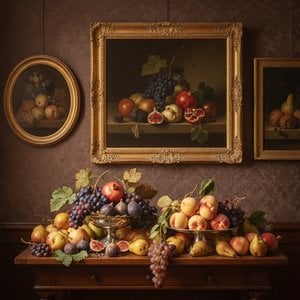
Discover the profound beauty of fruit still life paintings. Explore the rich symbolism, Baroque mastery, and timeless allure of nature's bounty through an art-historical lens, perfect for collectors and enthusiasts of classical fine art.

Step into the spotlight with WahooArt's AI-driven transformation. Turn your photos into stunning, hand-painted anime oil masterpieces. Experience the perfect fusion of cutting-edge technology and museum-grade craftsmanship to create a timeless pop-culture legacy for your home.


 实景预览
实景预览
 发送
发送 分享
分享
 详情
详情 指南
指南

 下载图片
下载图片
 相似作品
相似作品 X射线
X射线 幻灯片播放
幻灯片播放 统计数据
统计数据 阅读全文
阅读全文









 玻璃选项仅适用于110厘米以下的尺寸。


