
由我们的艺术家按需定制,为您提供您所选尺寸及画框的布面手工油画。 ( 切换至版画销售渠道 切换至数字图像销售渠道)





























从与原作比例一致的预设尺寸中进行选择。

您可以输入自定义尺寸,以适配特定的画框或空间。如果所选尺寸与原图比例不符,我们将通过裁剪作品或添加手绘元素来扩展画面。数字样稿将在制作开始前发送给您确认。
请注意,屏幕预览无法准确反映实际的裁剪或扩展效果,只有样稿才能真实呈现最终的构图。
虽然我们提供定制尺寸服务,但为了保留原作比例,建议您从预设列表中选择尺寸。

Sketch for a Mask
复制品尺寸
Giuseppe Arcimboldo's “Sketch for a Mask,” created in 1585, isn’t merely a drawing; it’s a meticulously constructed puzzle box of observation and symbolism. Within its monochrome confines lies a profound meditation on identity, transformation, and the very nature of representation – a hallmark of the artist’s unique approach to portraiture during the late Renaissance. The piece immediately draws the eye with its startling realism: a strikingly detailed profile of a woman, rendered entirely from carefully arranged elements—pearls clustered like tiny jewels, an elaborate headdress bursting with spiraling foliage and miniature figures, and a rich, flowing gown sculpted from subtle shading and precise linework. Yet, this apparent naturalism belies a deeper complexity, inviting the viewer to decipher the layers of meaning embedded within the composition.
Arcimboldo’s genius lay in his ability to elevate the mundane—fruits, vegetables, books, even musical instruments—into objects of extraordinary beauty and significance. He wasn't simply arranging items; he was crafting a narrative, a visual allegory that resonated with the intellectual currents of his time. The Renaissance fascination with classical mythology, particularly the story of Vertumnus, the Roman god of seasons and transformation, heavily influenced Arcimboldo’s work. This deity could shapeshift into various forms – a tree, a river, or even a human – mirroring the very essence of the portrait itself: a fleeting representation of an individual constantly evolving and adapting.
Examining the “Sketch for a Mask” reveals Arcimboldo’s masterful command of technique. Primarily executed using dry point—a method involving scratching into a copper plate with a needle—he achieved an astonishing level of detail through painstaking application of black ink on aged parchment. The delicate lines, varying in weight and pressure, create a remarkable sense of texture and volume. Notice how the individual strands of hair are meticulously rendered, each curl and wave captured with precision. Similarly, the folds of the gown appear to ripple and flow, suggesting both its luxurious fabric and the movement of the figure within it.
Created in 1585, during the reign of Emperor Rudolf II of Prague, “Sketch for a Mask” reflects the opulent and intellectually stimulating atmosphere of the Habsburg court. Rudolf II was a renowned patron of the arts and sciences, fostering an environment where artists like Arcimboldo were encouraged to push the boundaries of creative expression. The portrait’s elaborate details—the jewels, the headdress, the intricate clothing—were not merely decorative; they served as potent symbols of wealth, status, and power. The inclusion of books within the composition further underscores the importance of learning and knowledge during this era.
Furthermore, the portrait’s allegorical nature speaks to the broader cultural anxieties of the time. The concept of transformation—represented by the mask itself—was a recurring theme in Renaissance art and literature, reflecting a fascination with mortality, illusion, and the potential for deception. The sketch can be interpreted as a commentary on the ephemeral nature of beauty and identity, suggesting that appearances can be deceiving and that true worth lies beneath the surface.
“Sketch for a Mask” stands as a testament to Giuseppe Arcimboldo’s unparalleled artistic vision. It's more than just a portrait; it’s an invitation to engage in a visual dialogue, to decipher its hidden meanings, and to appreciate the extraordinary skill with which he transformed ordinary objects into works of art. Reproductions of this captivating sketch offer a glimpse into the mind of a Renaissance genius—a master of illusion, symbolism, and the enduring power of representation. Its timeless appeal continues to inspire artists and collectors alike, cementing its place as one of Arcimboldo’s most iconic creations.


1527 - 1593

Explore the profound beauty of the sketch. Discover how masters use charcoal and graphite to capture raw emotion, anatomical precision, and fluid movement, bridging the gap between ephemeral marks and eternal oil masterpieces.

Explore the profound artistry of graphite drawing. Discover professional techniques for mastering depth, texture, and detail through a lens of art history, from classical sketches to modern masterpieces. Elevate your understanding of the pencil medium with our expert guide.
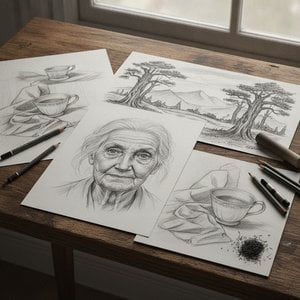
Explore the profound elegance of pencil and charcoal sketching. Discover how masters use line, shadow, and chiaroscuro to capture light and texture, bridging the gap between preparatory studies and timeless fine art masterpieces.

Elevate your artistic practice with this expert guide to mastering the line. Discover advanced techniques in graphite, charcoal, and contour drawing designed for art students seeking technical precision and expressive depth in their fine art studies.
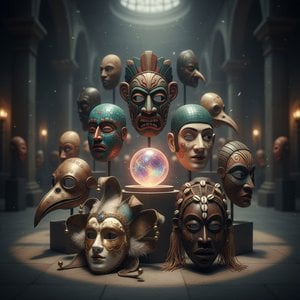
Embark on a profound journey through the world's most iconic mask artworks. Explore the spiritual depth, intricate craftsmanship, and rich cultural heritage of global traditions, from Chhau to Gomira, in this expert-led exploration of ancestral artistry and symbolic beauty.


 效果预览
效果预览
 分享
分享 分享
分享
 详情
详情

 下载
下载
 相似作品
相似作品 X射线
X射线 幻灯片播放
幻灯片播放 统计数据
统计数据


 展开详情
展开详情









 玻璃选项仅适用于110厘米以下的尺寸。


