
博物馆级艺术微喷或帆布版画,制作高效,并提供多种饰面选择。 ( 订购纯手工绘制画作 切换至数字图像销售渠道)





























您可以从与原作比例一致的预设尺寸中进行选择。

请输入您所需的宽度和高度,以适配您的画框或墙面。由于印刷品只能进行裁剪,无法超出原图尺寸,因此若比例不一致,画面的一部分将会被裁切。在正式印刷之前,我们会为您发送一份数字效果图供您确认。本页面显示的图片并非最终裁剪后的效果——只有效果图才能展示真实的裁剪情况。
Nature studies
复刻品尺寸
Giuseppe Arcimboldo's "Nature Studies," particularly the vibrant watercolor depicting a deer and an unidentified horned creature, are not merely charming botanical arrangements; they represent a profound engagement with the intellectual currents of 16th-century Europe. Born in Milan in 1527, Arcimboldo’s career blossomed within the opulent courts of Vienna and Prague, where he served as court painter to emperors Rudolf II and Maximilian II. His unique approach—constructing portraits entirely from meticulously assembled fruits, vegetables, flowers, and even books – defied conventional portraiture, offering a captivating blend of artistry, symbolism, and playful observation. These works weren’t simply decorative; they were carefully crafted allegories designed to resonate with the sophisticated minds of the Renaissance elite, reflecting their fascination with natural philosophy, classical mythology, and the burgeoning scientific exploration of the world.
The historical context surrounding Arcimboldo's work is crucial to understanding its significance. The late 16th century was a period of intense intellectual ferment, marked by the rediscovery of classical texts, advancements in astronomy and anatomy, and a growing interest in the natural sciences. Rudolf II, in particular, was an avid collector of curiosities – exotic animals, rare plants, and unusual objects – reflecting his patronage of the arts and sciences. Arcimboldo’s portraits were commissioned to entertain this discerning ruler, but they also served as visual representations of complex ideas about nature, power, and human identity. The careful selection of each element—the delicate antlers of the deer, the textured fur of the horned creature—was deliberate, imbued with symbolic meaning that spoke to the prevailing worldview of the time.
Arcimboldo’s mastery lies in his exquisite technique – a testament to his meticulous observation and artistic skill. The “Nature Studies” are executed primarily in watercolor on paper, a medium perfectly suited to capturing the delicate textures and subtle gradations of color found in natural forms. He employed a layering technique, building up washes of pigment to create depth and luminosity, mimicking the appearance of fur, wood grain, and foliage with remarkable accuracy. Fine lines define the intricate details of the antlers and the contours of the animals’ faces, while soft, blurred edges suggest the ephemeral nature of the subject matter. The muted earth tones—ochres, browns, greens, and creams—create a harmonious palette that evokes a sense of tranquility and natural beauty.
The artist's use of watercolor is particularly noteworthy for its ability to convey texture. He skillfully manipulated the pigment to simulate the rough bark of trees, the smooth surface of fruit skins, and the delicate petals of flowers. The slight variations in color and tone create a sense of depth and volume, drawing the viewer into the composition. The choice of paper itself—likely parchment—adds to the overall effect, lending a tactile quality to the artwork that invites close examination.
Each element within Arcimboldo’s “Nature Studies” carries symbolic weight. The deer, often associated with grace, nobility, and the hunt, represents strength and vitality. The unidentified horned creature, shrouded in shadow, evokes a sense of mystery and perhaps even danger – a reminder of the wildness that lies beneath the surface of civilization. The inclusion of books within the composition is particularly significant, referencing the humanist ideals of education and knowledge prevalent during the Renaissance. Arcimboldo’s portraits are not simply representations of animals; they are complex allegories that invite interpretation and contemplation.
Furthermore, the arrangement of these objects—the careful juxtaposition of disparate elements—creates a visual dialogue between nature and humanity. The deer's antlers intertwine with the books, suggesting a connection between the natural world and intellectual pursuits. The overall effect is one of harmonious integration, reflecting Arcimboldo’s belief in the interconnectedness of all things. It’s a subtle but powerful commentary on the Renaissance fascination with balance, harmony, and the pursuit of knowledge.
Despite their historical context, Arcimboldo's “Nature Studies” continue to resonate with viewers today. The whimsical nature of these portraits—the unexpected combination of familiar objects—evokes a sense of delight and wonder. They invite us to see the world in new ways, to appreciate the beauty and complexity of the natural world, and to question our assumptions about representation and reality. The artwork’s enduring appeal lies not only in its technical brilliance but also in its ability to capture a fleeting moment of harmony between humanity and nature—a sentiment that remains profoundly relevant in our increasingly complex and disconnected world.
Reproductions of these captivating works offer a unique opportunity to bring the artistry of Arcimboldo into your home or office. Whether you choose a large-scale canvas print or a smaller watercolor reproduction, you’ll be acquiring a piece of art history that celebrates the beauty, mystery, and enduring power of nature.
朱塞佩·阿尔钦博尔多 (Zhū Sèipèi Ā'Ěrqīnbó'Ěrduō) 的《Nature studies》 的知名度处于 Iconic 水平。这一分类反映了该作品被广泛认可的程度。
朱塞佩·阿尔钦博尔多 (Zhū Sèipèi Ā'Ěrqīnbó'Ěrduō) 的《Nature studies》 的色调被描述为 Pastels,这简练地概括了作品的色彩特征。
通过“Nature studies”的效果预览页面,您可以在下单前预览艺术品。


1527 - 1593 , 意大利

Discover the ethereal beauty of watercolor through an art-historical lens. Master the delicate balance of light, fluidity, and pigment to capture the luminous essence of nature, inspired by the legendary techniques of the Old Masters and Impressionist greats.
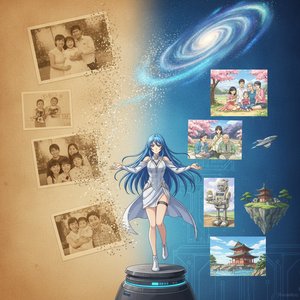
Step into the spotlight with WahooArt's AI-driven transformation. Turn your photos into stunning, hand-painted anime oil masterpieces. Experience the perfect fusion of cutting-edge technology and museum-grade craftsmanship to create a timeless pop-culture legacy for your home.

 实景预览
实景预览
 分享
分享 分享
分享
 详情
详情 指南
指南

 下载作品
下载作品
 相似作品
相似作品 X射线
X射线 幻灯片播放
幻灯片播放 问答
问答
 统计数据
统计数据

 展开全文
展开全文









 玻璃选项仅适用于110厘米以下的尺寸。


