
x































从与原作比例一致的预设尺寸中进行选择。

您可以输入自定义尺寸,以适配特定的画框或空间。如果所选尺寸与原图比例不符,我们将通过裁剪作品或添加手绘元素来扩展画面。数字样稿将在制作开始前发送给您确认。
请注意,屏幕预览无法准确反映实际的裁剪或扩展效果,只有样稿才能真实呈现最终的构图。
虽然我们提供定制尺寸服务,但为了保留原作比例,建议您从预设列表中选择尺寸。

Nature studies (8)
复制品尺寸
Giuseppe Arcimboldo (1527 – 1593), Milanese artist, stands apart from his contemporaries not merely for his innovative technique but for the sheer audacity of his artistic vision. While celebrated for grand frescoes adorning churches and stately portraits reflecting aristocratic patronage, Arcimboldo’s fame rests primarily on a series of astonishing composite heads—remarkable sculptures crafted entirely from meticulously arranged fruits, vegetables, flowers, books, and musical instruments.
These weren't frivolous conceits; they were profound meditations on the relationship between humanity and nature, executed within the intellectual framework of the Renaissance. Arcimboldo’s approach challenged conventional artistic conventions by prioritizing observation and symbolic representation over idealized beauty—a deliberate departure from the prevailing Mannerist style that favored stylized forms and exaggerated poses.
Considered a pioneer in trompe-l’œil—the art of illusion—Arcimboldo achieved an unparalleled feat of artistic deception. By transforming disparate elements into a unified whole, he demonstrated the transformative power of imagination and challenged viewers to reconsider their perceptions of reality. The resulting images possess an undeniable emotional resonance – conveying not just visual splendor but also a deep appreciation for the interconnectedness of all living things.
More than simply decorative artworks, Arcimboldo’s portraits are enduring reminders of the Renaissance spirit—a testament to human ingenuity and a celebration of the beauty inherent in the natural world. They continue to inspire artists and collectors alike, securing their place as icons of artistic innovation and intellectual enlightenment.


1527 - 1593

Discover the ethereal beauty of watercolor through an art-historical lens. Master the delicate balance of light, fluidity, and pigment to capture the luminous essence of nature, inspired by the legendary techniques of the Old Masters and Impressionist greats.
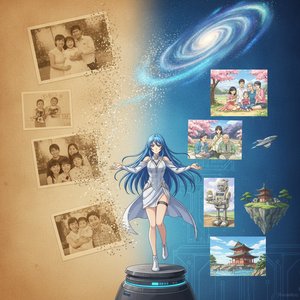
Step into the spotlight with WahooArt's AI-driven transformation. Turn your photos into stunning, hand-painted anime oil masterpieces. Experience the perfect fusion of cutting-edge technology and museum-grade craftsmanship to create a timeless pop-culture legacy for your home.
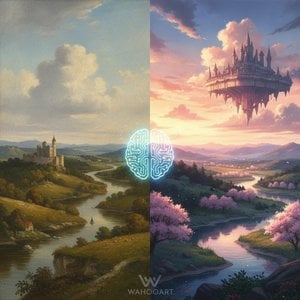
Transform your photos into high-octane action anime masterpieces with WahooArt. Our expert artists blend AI innovation with traditional oil painting to create premium, hand-painted pop culture legacies for your home. Experience museum-quality craftsmanship and a 100% satisfaction guarantee.

Discover the ethereal beauty of premium watercolor reproductions and bespoke commissions at WahooArt. From museum-quality landscapes to custom AI-enhanced portraits, our master artists deliver unparalleled craftsmanship and white-glove service for discerning collectors worldwide.


第一时间获取最新的艺术新闻、独家优惠及装饰灵感。
向我们介绍您的项目需求,我们的艺术专家将为您提供 3 个个性化的艺术品推荐。
由我们的专家为您精选 3 款心仪之作 —— 完全免费!


 效果预览
效果预览
 购买印刷品
购买印刷品 分享
分享 分享
分享
 详情
详情

 下载
下载
 相似作品
相似作品 X射线
X射线 幻灯片播放
幻灯片播放

 展开详情
展开详情









 玻璃选项仅适用于110厘米以下的尺寸。


