
 Tempera On PanelWallArtProto-Renaissance
 Renaissance
 133.0 x 41.0 cm
 乌菲兹美术馆
博物馆级艺术微喷或帆布版画,制作高效,并提供多种饰面选择。 ( 购买手绘画作 切换至数字图像销售渠道)





























从与原作比例一致的预设尺寸中进行选择。

您可以输入自定义尺寸,以适配特定的画框或空间。如果您选择的尺寸与原图比例不符,我们将对作品进行裁剪,或通过镜像填充/纯色填充边缘的方式来扩展图像。在开始制作之前,我们会向您发送一份数字效果图供您确认。
请注意,屏幕上的预览并不能反映实际的裁剪或扩展效果。只有效果图才能准确展示最终的构图。
虽然我们提供定制尺寸,但为了保持原图比例,我们建议您从预设列表中选择尺寸。

Ognissanti Polyptych: lateral panel
复制品尺寸
To stand before Giovanni da Milano’s Ognissanti Polyptych: lateral panel is to encounter a moment suspended in time, a profound meditation rendered in pigment and gold. Created around 1360, this remarkable piece serves as a poignant emblem of the Proto-Renaissance fervor that gripped Florence during its formative years. More than mere pigment on wood, it acts as an intimate invitation to contemplate themes of devotion and spiritual connection. The panel, now housed within the hallowed halls of the Galleria degli Uffizi, captures a sense of spiritual solemnity that transcends the centuries, offering a glimpse into the very soul of 14th-century Italian piety.
The composition is a masterclass in emotional resonance and structural harmony. The lateral panel depicts figures positioned within a richly ornamented architectural setting that reflects the theological significance of its original home, the Basilica di Santa Maria degli Angeli e dei Martiri. Within this sacred space, the artist captures a sense of quietude; the figures appear caught mid-conversation or perhaps engaged in shared prayer against a luminous, gold-accented background. This setting elevates the earthly scene into something celestial, inviting the viewer to look beyond the physical wood and tempera into a realm of divine grace.
Giovanni da Milano’s technique—tempera on wood—was a cornerstone of the era, prioritizing both luminosity and durability. Unlike the later dominance of oil paint, tempera utilizes pigments bound with egg yolk, a method that requires meticulous precision and results in exceptionally vibrant hues that retain their brilliance across centuries. The artist applied thin, delicate layers of pigment to the wooden panel, achieving remarkable detail and textural nuance. One can observe the subtle gradations of color that contribute to an ethereal atmosphere, mirroring the spiritual solemnity intended by its creators.
The visual impact is further heightened by the interplay of light and shadow within the architectural motifs. A stylized castle façade, adorned with vibrant elements, evokes the stained glass windows frequently found in Florentine churches, designed to simulate the celestial light of heaven. For the collector or interior designer, this piece offers a unique way to introduce historical depth and a sense of warmth into a space. The golden tones and rich textures provide a sophisticated focal point that commands attention while maintaining an air of serene elegance.
Every element within the panel is steeped in meaning, serving as a bridge between the graceful lyricism of the Gothic period and the burgeoning naturalism of the Renaissance. The figures are adorned with attributes emblematic of their roles; for instance, the presence of floral motifs can symbolize purity and divine grace, while specific handheld objects serve as symbols of authority and spiritual leadership. These symbolic layers ensure that the artwork is not merely a decorative object but a narrative tool designed to elevate the viewer's faith.
As a pioneer of the Florentine Proto-Renaissance, Giovanni da Milano’s work represents a pivotal moment in art history. His ability to infuse religious iconography with a sense of human tenderness and anatomical awareness paved the way for the masters who followed. Owning a high-quality reproduction of this lateral panel allows one to bring a piece of this transformative era into a modern setting, offering an enduring connection to the artistic revolution that shaped the Western world.


1346 - 1369 , 意大利

Unveil the sacred secrets of egg tempera on panel. Journey through the technical mastery and profound artistry of the Old Masters, from Giotto to Botticelli. An essential educational guide for Renaissance art enthusiasts seeking deep historical insight and expertise.

Elevate your interior with WahooArt.com's bespoke multi-panel polyptychs. Discover our expert guide to creating stunning, hand-painted art sets with over 150 curated layouts, seamless brushwork, and professional digital staging for the discerning collector.
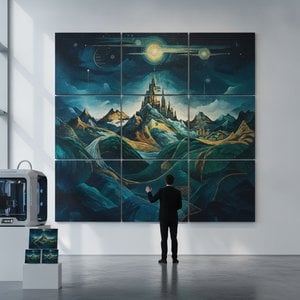
Discover the elegance of custom multi-panel group set art at WahooArt.com. From bespoke layouts to hand-painted oil masterpieces, our expert guide helps elite collectors curate breathtaking, large-scale installations tailored for sophisticated interiors.

Discover the prestige of WahooArt.com's multi-panel art sets. From bespoke triptychs to grand polyptychs, our master artists create seamless, museum-quality oil reproductions designed to transform elite architectural spaces with unparalleled elegance and scale.

Discover the enduring allure of oil on panel painting. Explore the technical mastery, historical significance, and luminous depth that define this prestigious medium, from Renaissance masters to modern fine art reproductions for discerning collectors.


 效果预览
效果预览
 分享
分享 分享
分享
 详情
详情 Guide
Guide

 下载
下载
 相似作品
相似作品 X射线
X射线 幻灯片播放
幻灯片播放 统计数据
统计数据 展开详情
展开详情









 玻璃选项仅适用于110厘米以下的尺寸。


