
x































从与原作比例一致的预设尺寸中进行选择。

您可以输入自定义尺寸,以适配特定的画框或空间。如果您选择的尺寸与原图比例不符,我们将对作品进行裁剪,或通过镜像填充/纯色填充边缘的方式来扩展图像。在开始制作之前,我们会向您发送一份数字效果图供您确认。
请注意,屏幕上的预览并不能反映实际的裁剪或扩展效果。只有效果图才能准确展示最终的构图。
虽然我们提供定制尺寸,但为了保持原图比例,我们建议您从预设列表中选择尺寸。

Perspective View (Stage design)
复制品尺寸
Canaletto’s “Perspective View (Stage Design)” is more than just a depiction of a bustling scene; it's a window into the vibrant theatrical culture of 18th-century Venice. Painted likely in the early 1720s, this capriccio – a term Canaletto himself employed for imaginary or idealized views – transports us to a fantastical Capitol, glimpsed through a grand loggia adorned with Corinthian columns and shimmering with golden ornamentation. The composition is anchored by an equestrian monument, reminiscent of Marcus Aurelius, rising majestically from the steps of a triumphal arch, creating a powerful sense of grandeur and historical resonance.
The painting’s genius lies not merely in its technical precision but also in its evocative atmosphere. Canaletto masterfully employs linear perspective to draw the viewer into this meticulously rendered space. The receding lines of the loggia, the diminishing scale of the statues, and the subtle shifts in light create a convincing illusion of depth, inviting us to step through the painted world and become part of the scene. Notice how he uses atmospheric perspective – distant elements are paler and less defined, contributing to the overall sense of vastness and theatrical spectacle.
Giovanni Antonio Canal, known as Canaletto, was a pivotal figure in the development of topographical painting. Born in Venice in 1697, he initially trained under his father, Bernardo Canal, a stage designer for theatrical productions. This early experience instilled in him a deep understanding of perspective and spatial relationships – skills that would later define his remarkable career. Canaletto’s work was profoundly shaped by the bustling commercial activity of Venice, a city renowned for its trade and artistic patronage. He meticulously documented the city's canals, palaces, markets, and everyday life, creating a vast archive of visual records.
His approach differed significantly from earlier Venetian painters who focused primarily on religious or mythological subjects. Canaletto’s interest lay in capturing the tangible reality of Venice – its architecture, its people, and its atmosphere. This shift towards secular subject matter reflected a broader cultural trend during the 18th century, as artists increasingly sought to depict the world around them with greater accuracy and detail. The painting's attribution has been debated by scholars, but Stefano Susinno recognized it as a unique example in Canaletto’s oeuvre due to its drawing, points of light, and similarities to other capricci.
Beyond its technical brilliance, “Perspective View (Stage Design)” is rich in symbolic meaning. The equestrian monument, a reference to Roman emperors, suggests an ideal of leadership and power. The triumphal arch evokes the grandeur of ancient Rome, while the golden ornaments symbolize wealth and prestige. The inclusion of figures engaged in various activities – musicians, spectators, and performers – underscores the importance of theatre as a central element of Venetian society. It’s a scene brimming with life, energy, and the allure of entertainment.
Interestingly, scholars believe this painting may have been created shortly after Canaletto's stay in Rome (1718-1720), possibly inspired by the city’s ancient ruins and theatrical traditions. The presence of numerous architectural elements reminiscent of Roman antiquity suggests a deliberate attempt to evoke the spirit of the classical world.
“Perspective View (Stage Design)” stands as a testament to Canaletto's exceptional skill and artistic vision. It’s a captivating blend of realism, imagination, and theatricality – a painting that continues to delight and intrigue viewers centuries after its creation. Reproductions of this work offer a remarkable opportunity to experience the beauty and detail of Canaletto’s artistry in your own home or office, bringing a touch of Venetian elegance and historical grandeur to any space.

乔瓦尼·安东尼奥·卡纳莱托,这位在1697年10月18日诞生于水都威尼斯的画家,是十八世纪“维杜特”(Vedute)画派的杰出代表。他的名字,如同他笔下的风景一样,成为了精致、细腻和对现实主义追求的代名词。卡纳莱托并非出身于艺术世家,但他的父亲贝纳多·卡纳莱托是一位颇有声望的舞台布景画家,为年幼的他打开了通往艺术世界的大门。早期的训练奠定了卡纳莱托对构图、透视和光影的敏锐感知,这些技能日后将成为他作品中最显著的特征。
1718年,年轻的卡纳莱托前往罗马深造。在罗马期间,他参与了为亚历山德罗·斯卡拉蒂歌剧创作舞台布景的工作。这段经历对他的艺术发展产生了深远的影响。罗马宏伟的建筑、繁华的街景和充满活力的城市生活激发了他的创作灵感。然而,真正让他确立独特风格的,是回到威尼斯后的风景绘画。他开始专注于描绘威尼斯的风光,将这座城市的独特魅力以一种前所未有的方式呈现出来。卡纳莱托摒弃了传统的理想化手法,转而追求对现实场景的精确再现,这在当时是一种大胆的创新。
卡纳莱托最广为人知的作品莫过于他的“维杜特”系列绘画。 “维杜特”意为“城市景观”,而卡纳莱托将这种题材提升到了艺术的高度。他笔下的威尼斯,不再是简单的风景画,而是充满了生活气息和历史感。他细致地描绘了圣马可广场的喧嚣、大运河上的贡多拉和石匠工坊的繁忙景象。《石匠工场》(约1725年)便是这一时期的代表作,它不仅展示了卡纳莱托精湛的绘画技巧,更体现了他对社会生活的敏锐观察。此外,《大运河上的赛艇比赛》则生动地捕捉了威尼斯公众庆典的热烈氛围。他甚至还为英国委托创作了一系列作品,例如《伊顿学院》,充分展现了他的国际影响力。
卡纳莱托的绘画技巧堪称精湛。他对透视学的深入研究和对细节的极致追求,使得他的作品具有极高的真实感。一些学者认为,他可能使用了暗箱(Camera Obscura)来辅助绘制,以确保画面的精确性。然而,卡纳莱托并非仅仅是一位技术娴熟的画家,更是一位富有创造力的艺术家。他注重构图的设计和光影的处理,使得他的作品不仅准确地再现了现实场景,更具有强烈的视觉冲击力。《国家美术馆》(伦敦)收藏了他的多幅作品,充分体现了他对十八世纪艺术的影响。卡纳莱托的风格也影响了一批后来的艺术家,例如他的侄子贝纳多·贝洛托,后者同样是一位杰出的“维杜特”画家。
卡纳莱托的作品不仅仅是风景画,更是对十八世纪威尼斯社会生活和城市风貌的珍贵记录。他的绘画为我们提供了了解那个时代的重要窗口。他笔下的威尼斯,充满了浪漫主义色彩和历史感,吸引了无数艺术爱好者的目光。即使在今天,卡纳莱托的作品仍然具有强大的生命力,继续影响着后世的艺术家和观众。探索卡纳莱托的世界,就像穿越时空,回到那个充满魅力和活力的威尼斯时代。更多作品请访问 https://WahooArt.com/@/giovanni-antonio-canal,了解更多信息请查阅维基百科,感受威尼斯艺术之美请访问 帕卢博-福萨蒂收藏馆(意大利威尼斯)。
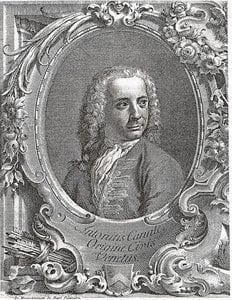
1697 - 1768 , 意大利
Elevate your home staging with premium, hand-painted art reproductions from WahooArt. Achieve luxury transformations in under 3 weeks with our express delivery service. Perfect for freelance decorators seeking museum-quality, ready-to-hang masterpieces that drive property value.

Discover how curated fine art transforms restaurants into immersive theatrical stages. Learn expert strategies for restaurateurs to elevate brand identity, influence diner emotion, and create unforgettable gastronomic experiences through masterful visual storytelling.

Transform your creative talent into a prestigious global brand. WahooArt offers art students the elite platform to sell museum-quality Giclée prints and hand-painted reproductions to collectors worldwide. Build your artistic legacy with our premium fulfillment and global marketplace.

Elevate your art collection's legacy. List your ready-to-ship originals on WahooArt’s verified marketplace. Benefit from expert appraisal, global reach, and secure consignment designed for elite collectors seeking seamless, high-value transactions with absolute prestige.
Explore the profound beauty of Roman architecture through art history. From Piranesi's evocative engravings to classical masterpieces, discover how the grandeur of ancient Rome continues to inspire collectors and art enthusiasts worldwide.


第一时间获取最新的艺术新闻、独家优惠及装饰灵感。
向我们介绍您的项目需求,我们的艺术专家将为您提供 3 个个性化的艺术品推荐。
由我们的专家为您精选 3 款心仪之作 —— 完全免费!


 效果预览
效果预览
 购买手绘画作
 分享
分享 分享
分享
 详情
详情

 下载
下载
 相似作品
相似作品 X射线
X射线 幻灯片播放
幻灯片播放

 展开详情
展开详情









 玻璃选项仅适用于110厘米以下的尺寸。


