
博物馆级艺术微喷或帆布版画,制作高效,并提供多种饰面选择。 ( 购买手绘画作 切换至数字图像销售渠道)





























从与原作比例一致的预设尺寸中进行选择。

您可以输入自定义尺寸,以适配特定的画框或空间。如果您选择的尺寸与原图比例不符,我们将对作品进行裁剪,或通过镜像填充/纯色填充边缘的方式来扩展图像。在开始制作之前,我们会向您发送一份数字效果图供您确认。
请注意,屏幕上的预览并不能反映实际的裁剪或扩展效果。只有效果图才能准确展示最终的构图。
虽然我们提供定制尺寸,但为了保持原图比例,我们建议您从预设列表中选择尺寸。

Políptico Baroncelli 2
复制品尺寸
Giotto di Bondone's Políptico Baroncelli (circa 1308-1310) stands as a pivotal work, marking a dramatic departure from the stylized conventions of Byzantine art and firmly establishing the foundations for the burgeoning Renaissance. This magnificent altarpiece, now housed in the Museo Civico di Padova, Italy, offers a remarkably intimate glimpse into a religious gathering – likely depicting a scene from the life of Christ – through an unprecedented level of naturalism and emotional depth. It’s not merely a depiction of figures; it's a portrayal of human experience, imbued with a palpable sense of drama and immediacy that was revolutionary for its time.
The polyptych format—a hinged panel painting divided into multiple sections—was common in the Gothic period, but Giotto’s execution transcends mere structural convention. He abandons the flattened perspectives and hieratic scale characteristic of Byzantine art, opting instead for a more three-dimensional space achieved through careful observation and manipulation of light and shadow. The archway dominating the scene isn't just an architectural element; it acts as a visual anchor, drawing the viewer’s eye into the heart of the gathering. Notice how Giotto subtly employs atmospheric perspective – distant figures are rendered in paler hues, creating a convincing illusion of depth.
The scene unfolds with a remarkable attention to detail. Fourteen individuals populate the composition, each rendered with individualized features and clothing styles that suggest a diverse social milieu. The red hats worn by several figures are particularly striking – a subtle yet significant detail hinting at their status or role within the community. Observe the musicians: two violins and a lute, instruments of considerable expense and prestige, underscore the importance of music in religious ceremonies. Giotto masterfully captures not just their physical appearance but also their gestures and expressions, conveying a sense of engagement and participation.
The clothing itself is a fascinating window into 14th-century life. The fabrics are richly textured, and the details—the folds of robes, the embroidery on garments—are meticulously rendered. Giotto’s skill in depicting textiles was unparalleled; he understood how light interacted with different materials, creating a sense of tactile realism that was groundbreaking for its time. This commitment to accurate representation extended beyond mere fashion; it reflected a broader interest in capturing the complexities and nuances of human existence.
Beyond its technical brilliance, the Políptico Baroncelli is rich in symbolic meaning. The gathering itself represents communal faith and devotion, while the archway symbolizes the entrance to a sacred space. The figures’ expressions—a mixture of reverence, contemplation, and perhaps even joy—suggest a profound emotional connection to their beliefs. Giotto wasn't simply illustrating a biblical narrative; he was conveying the *feeling* of religious experience.
Crucially, Giotto’s use of color is restrained yet effective. He avoids the lavish gold backgrounds favored by Byzantine artists, opting instead for a more muted palette that emphasizes the naturalism of his figures and setting. This shift in emphasis—from spiritual transcendence to earthly representation—is a defining characteristic of Giotto's style and a key element in the transition from medieval to Renaissance art. The Políptico Baroncelli is, therefore, not just a beautiful painting; it’s a testament to Giotto’s revolutionary vision and his enduring legacy as one of the most influential artists in Western history.
WahooArt.com offers meticulously crafted hand-painted reproductions of the Políptico Baroncelli, allowing you to experience the artistry and emotional power of this iconic masterpiece in your own space. Our reproductions faithfully capture Giotto’s nuanced details, vibrant colors, and profound sense of realism, bringing a touch of Renaissance brilliance into any room. Explore our collection today and discover how you can possess a piece of art history.

大约在1267年,乔托·迪·邦多内诞生于佛罗伦斯附近连绵起伏的山丘之中。他从卑微的身世崛起,成为了中世纪艺术惯例向文艺复兴过渡中最关键的人物之一。他的早期生活充满了传奇色彩——一个牧羊男孩在岩石上描绘出栩栩如生的羊群,引起了佛罗伦萨大师西马布威的注意。无论这是否是事实或民间传说,这个故事都浓缩了乔托的天赋精髓:一种天生能够以前所未有的真实感和情感深度捕捉自然世界的才能。作为西马布威的学徒,乔托很快超越了他的老师,吸收了技术技能,但开辟了一条截然不同的道路。当时占据主导地位的拜占庭风格偏爱程式化的形象、扁平透视和华丽的金背景——这些是精神超脱的象征,而不是对世俗现实的描绘。然而,乔托渴望将人性描绘成并非空灵的偶像,而是充满情感、存在于有形空间中的个体。
乔托的艺术革命不是一次突发的变革,而是一个逐渐演变的过程。他早期的作品已经暗示了即将到来的转变,展示了一种对体积、重量和可信解剖结构的日益重视。他开始观察光与影,不仅仅将其视为装饰性元素,而是作为塑造形式和创造深度的工具。这种新兴的自然主义在他在阿西西上教堂圣弗朗西斯大殿的壁画中所做的贡献中显而易见——尽管作者身份仍存在争议,但许多学者认为乔托的手笔出现在那些明显偏离了盛行拜占庭美学的场景中。他并非简单地拒绝传统;他是在建立在传统的基础上,将新的人性与情感共鸣注入到既定的形式中。他理解叙事的强大力量,创作出讲述故事的构图,而不仅仅是通过僵化的象征主义,而是通过富有表现力的姿态、可信的互动和精心构建的环境。
乔托的杰作,也是西方艺术史上最重要的作品之一,是装饰帕多瓦斯克罗韦尼礼拜堂(也被称为竞技场礼拜堂)的壁画循环。这项约在1305年完成的系列作品以革命性的真实感和情感强度描绘了基督和圣母玛利亚的一生。每个场景都像一个精心策划的戏剧展开,其中的人物并非宗教原型,而是体验着喜悦、悲伤、恐惧和希望的完全实现的人类个体。主导整个墙壁的《末日审判》是乔托在传达神圣威严和人类面对最终清算的原始脆弱性方面的技能的有力证明。透视的使用,尽管没有达到后来文艺复兴时期精确的标准,却创造了一种令人信服的深度幻觉,将观众带入叙事之中。人物扎根于大地,他们的身体具有重量和体积,而他们的表情传达了前所未见的各种情感。
乔托的才华不仅限于绘画;他也是一位受人尊敬的建筑师。1334年,他被委托设计佛罗伦萨大教堂的钟楼——一个展示了他对建筑形式创新方法的项目的基石。尽管他在竣工前去世了,但他的设计为这座标志性的佛罗伦萨地标奠定了基础。他对后世艺术家的影响是不可估量的。他弥合了中世纪和文艺复兴世界之间的鸿沟,为像马萨乔、列奥纳多·达·芬奇和米开朗基罗这样的大师铺平了道路。正如瓦萨里在具有里程碑意义的《艺术家传记》中所说的那样,乔托“赋予了绘画从生活中进行创作的伟大艺术”,证明了他对西方艺术进程产生的深刻影响。乔托并非仅仅描绘世界;他试图理解它,捕捉它的本质,并通过视觉叙事的强大力量来传达这种理解。

1267 - 1337 , 意大利

Embark on a scholarly journey through the spiritual grandeur of Late Medieval art. Discover the intricate symbolism, technical mastery, and profound religious narratives that define the Gothic era in this expert-led guide for art enthusiasts and collectors.

Embark on a scholarly journey through the sacred beauty of High Medieval art. Discover the profound symbolism, luminous iconography, and spiritual depth of Gothic masterpieces in this expert guide for classical art enthusiasts.

Explore the exquisite elegance of Late Gothic art. Discover how masters like Carlo Crivelli and Stefan Lochner blended intricate detail and religious devotion to bridge the Middle Ages and the Renaissance in this expert art history guide for true connoisseurs.
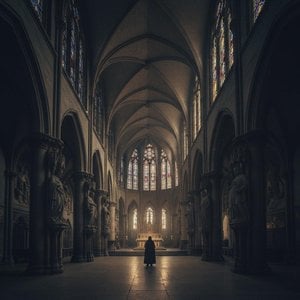
Embark on a journey through the dramatic era of Gothic art. Discover the profound beauty of illuminated manuscripts, sacred gold leaf masterpieces, and the transition to naturalism in this expert-led exploration of medieval artistry and historical grandeur.


 效果预览
效果预览
 分享
分享 分享
分享
 详情
详情

 下载
下载
 相似作品
相似作品 X射线
X射线 幻灯片播放
幻灯片播放 统计数据
统计数据
 展开详情
展开详情









 玻璃选项仅适用于110厘米以下的尺寸。


