
x































从与原作比例一致的预设尺寸中进行选择。

您可以输入自定义尺寸,以适配特定的画框或空间。如果您选择的尺寸与原图比例不符,我们将对作品进行裁剪,或通过镜像填充/纯色填充边缘的方式来扩展图像。在开始制作之前,我们会向您发送一份数字效果图供您确认。
请注意,屏幕上的预览并不能反映实际的裁剪或扩展效果。只有效果图才能准确展示最终的构图。
虽然我们提供定制尺寸,但为了保持原图比例,我们建议您从预设列表中选择尺寸。

Self Portrait
复制品尺寸
Giorgio de Chirico's "Self Portrait," painted in 1925, is not merely a depiction of an artist; it’s a meticulously crafted evocation of the anxieties and intellectual currents that defined the early years of the 20th century. The painting immediately arrests the viewer with its unsettling stillness – a man, impeccably dressed in a dark suit and tie, sits before a blank canvas, his gaze fixed directly upon us. This direct address is crucial; it establishes an immediate, almost confrontational relationship between the artist and the observer, mirroring the themes of alienation and psychological exploration that permeate de Chirico’s oeuvre.
To fully appreciate “Self Portrait,” one must understand the intellectual landscape in which it was created. De Chirico’s work is profoundly influenced by the philosophical ideas of his time, particularly those of Friedrich Nietzsche and Arthur Schopenhauer. The painting reflects a deep concern with themes of isolation, the illusion of reality, and the inherent absurdity of human existence. The blank canvas before him symbolizes the artist's attempt to capture these intangible concepts – a futile endeavor, perhaps, mirroring the philosophical anxieties of the era.
"Self Portrait" is more than just a beautiful painting; it’s a powerful meditation on the human condition. The unsettling atmosphere, combined with de Chirico's masterful technique, evokes a profound sense of unease and introspection. It invites us to confront our own anxieties about identity, reality, and the search for meaning in a world that often seems chaotic and absurd.


1888 - 1978 , 希腊

Discover the breathtaking allure of Art Deco. Explore the era's iconic geometry, legendary designers like Erté, and timeless glamour. Perfect for discerning collectors seeking to infuse their spaces with sophisticated modernist elegance and historical prestige.
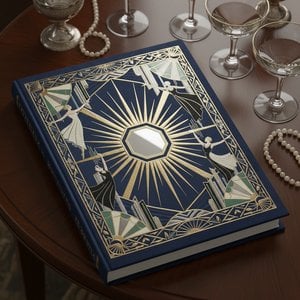
Discover the allure of Art Deco through a curated guide to its most iconic masterpieces. Explore the elegance of Erté and the innovation of Jean Dunand, perfect for collectors seeking timeless glamour and sophisticated design inspiration.

Explore the profound mystery of Metaphysical Art. Delve into the philosophical depths of Giorgio de Chirico’s dreamscapes and discover how this enigmatic movement redefined reality through unsettling beauty and classical symbolism.


第一时间获取最新的艺术新闻、独家优惠及装饰灵感。
向我们介绍您的项目需求,我们的艺术专家将为您提供 3 个个性化的艺术品推荐。
由我们的专家为您精选 3 款心仪之作 —— 完全免费!


 效果预览
效果预览
 购买手绘画作
 分享
分享 分享
分享
 详情
详情

 下载
下载
 相似作品
相似作品 X射线
X射线 幻灯片播放
幻灯片播放

 展开详情
展开详情









 玻璃选项仅适用于110厘米以下的尺寸。


