
博物馆级艺术微喷或帆布版画,制作高效,并提供多种饰面选择。 ( 订购此收藏品的纯手工复刻画作 切换至数字图像销售渠道)





























您可以从与原作比例一致的预设尺寸中进行选择。

请输入您所需的宽度和高度,以适配您的画框或墙面。由于印刷品只能进行裁剪,无法超出原图尺寸,因此若比例不一致,画面的一部分将会被裁切。在正式印刷之前,我们会为您发送一份数字效果图供您确认。本页面显示的图片并非最终裁剪后的效果——只有效果图才能展示真实的裁剪情况。
Façade
复刻品尺寸说明
Giacomo della Porta’s “Façade,” conceived for the Chiesa del Gesù in Rome, stands as a pivotal moment in the evolution of Italian Baroque architecture. More than simply a building's exterior, it embodies the Counter-Reformation’s fervent desire to inspire awe and convey spiritual authority through meticulously crafted form and dramatic detail. Constructed between 1571 and 1575, this monumental façade isn’t merely decorative; it’s a carefully orchestrated dialogue between classical restraint and exuberant ornamentation – a testament to della Porta's mastery of balancing tradition with innovation.
The design immediately commands attention. The broad, symmetrical composition establishes a sense of stability and grandeur, reminiscent of Roman temples yet infused with the dynamism characteristic of the Baroque period. Della Porta deliberately moved away from the more restrained designs proposed by his predecessor, Giacomo Barozzi da Vignola, opting instead for a richer, more theatrical presentation. This shift reflects the broader artistic climate of Rome at the time – a city eager to assert its cultural dominance and reaffirm its commitment to faith following the Protestant Reformation.
At first glance, “Façade” appears rooted in classical principles. The use of paired pilasters, creating vertical emphasis and visual rhythm, echoes the architectural vocabulary of ancient Greece and Rome. The two-tiered pediments crowning the central portal and flanking niches are a direct reference to Roman triumphal arches, imbuing the façade with an air of imperial power. However, della Porta doesn’t simply replicate classical forms; he transforms them through a masterful deployment of detail and ornamentation.
Beyond its purely aesthetic qualities, “Façade” is laden with symbolic meaning. The overall design reflects the Jesuit order’s commitment to spreading Catholicism throughout Europe. The prominent placement of religious figures—St. Francis Xavier and St. Ignatius Loyola—serves as a constant reminder of the church's mission. The use of classical motifs – particularly the reference to Roman imperial power – subtly reinforces the legitimacy of papal authority in the face of Protestant challenges.
Furthermore, the façade’s dramatic lighting effects contribute significantly to its spiritual impact. The carefully positioned niches and windows create a play of light and shadow that intensifies the sense of drama and mystery. This theatrical approach was deliberately employed by della Porta to draw worshippers into the church and evoke a sense of awe and reverence.
“Façade” remains one of Giacomo della Porta’s most celebrated works, exemplifying his unique synthesis of classical restraint and Baroque exuberance. It stands as a powerful symbol of Rome's artistic vitality during the Counter-Reformation, demonstrating how architecture could be used to communicate religious faith and assert cultural dominance. Today, it continues to inspire admiration for its masterful design, intricate detail, and profound symbolic meaning – a timeless testament to the enduring power of Baroque art.
Giacomo Della Porta 的《Façade》 描绘了:architecture, baroque, facade, italy, sculpture, rome, emblem。
Giacomo Della Porta 的《Façade》 的艺术氛围被描述为 Calm。这种分类有助于将作品与特定的空间环境相匹配。
Giacomo Della Porta 的《Façade》 的 Square 格式推荐用于 Living Room。画幅与空间的结合,将为您提供复制品摆放的指引。


1533 - 1602 , Italy
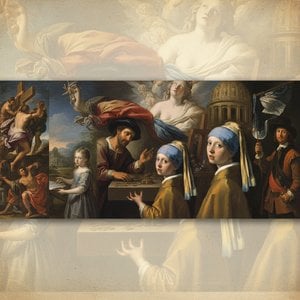
探索巴洛克艺术的辉煌!本文精选十部巨作,带您领略卡拉瓦乔、伦勃朗等大师的光影魔法与戏剧张力。从黄金时代到宗教绘画,感受奢华与精致。WahooArt.com为您提供博物馆品质的艺术复制品和家居装饰灵感。尽在WahooArt.com!
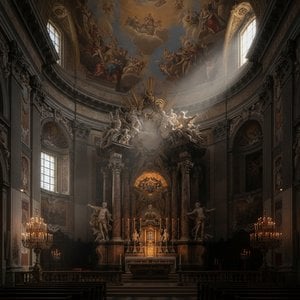
Immerse yourself in the dramatic splendor of Baroque art. Explore the profound impact of light, shadow, and the Counter-Reformation through an expert historical lens, celebrating the masters who defined an era of unparalleled grandeur and emotional intensity.
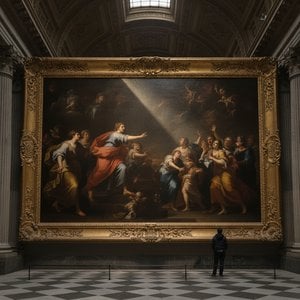
Explore the dramatic power of Baroque art through an expert guide to light, shadow, and emotion. Discover how the Counter-Reformation shaped 17th-century masterpieces and learn about the profound techniques used by the Old Masters to inspire awe.

深入探索巴洛克艺术的辉煌历史、独特风格与持久影响。了解卡拉瓦乔、贝尼尼等大师的作品,洞悉反宗教改革运动下的艺术变革。WahooArt.com为您提供专业的艺术解读与高清画作欣赏。

探索巴洛克艺术的辉煌与奢华!WahooArt提供精湛的手工油画复制、定制服务和专业艺术咨询,助您将经典作品融入当代室内设计,提升家居品味。投资艺术,传承价值。


 实景预览
实景预览
 发送
发送 分享
分享
 详情
详情 指南
指南

 下载图片
下载图片
 相似作品
相似作品 X射线
X射线 幻灯片播放
幻灯片播放 统计数据
统计数据


 阅读全文
阅读全文









 玻璃选项仅适用于110厘米以下的尺寸。


