
x































从与原作比例一致的预设尺寸中进行选择。

您可以输入自定义尺寸,以适配特定的画框或空间。如果您选择的尺寸与原图比例不符,我们将对作品进行裁剪,或通过镜像填充/纯色填充边缘的方式来扩展图像。在开始制作之前,我们会向您发送一份数字效果图供您确认。
请注意,屏幕上的预览并不能反映实际的裁剪或扩展效果。只有效果图才能准确展示最终的构图。
虽然我们提供定制尺寸,但为了保持原图比例,我们建议您从预设列表中选择尺寸。

Stadtbild M 6
复制品尺寸
In the quiet, monochromatic depths of Gerhard Richter’s “Stadtbild M 6,” one finds more than just a cityscape; one encounters a profound meditation on the elusive nature of perception. Painted in 1968, this evocative work serves as a haunting bridge between the tangible world and the fragmented landscape of human memory. The composition presents a view that feels simultaneously present and receding, where the distant silhouettes of buildings dissolve into a hazy, atmospheric mist. In the foreground, the unexpected presence of chairs anchors the viewer, creating a poignant tension between the permanence of objects and the ephemeral quality of the urban horizon. It is a piece that does not merely show a place, but rather captures the feeling of looking back through the fog of time.
The stylistic language of “Stadtbild M 6” is a masterful dialogue between the soft edges of Impressionism and the raw, visceral energy of Abstract Expressionism. Richter eschews the clinical precision of photographic realism in favor of a loose, gestural approach that prioritizes emotional resonance over meticulous detail. The cityscape is fragmented into distinct zones, where shapes are simplified and lines are rendered as rhythmic, painterly marks. This deliberate lack of sharp definition invites the observer to participate in the creation of the image, filling the voids with their own interpretations of light and shadow. For the discerning collector or interior designer, this ambiguity offers a sophisticated layer of depth, allowing the artwork to evolve and breathe within different lighting conditions and architectural settings.
Technically, the work is a triumph of texture and tonal control. Operating within a restrained palette of grayscale, white, and black, Richter utilizes a monochromatic framework to amplify a sense of melancholic stillness. The application of paint is far from passive; thick, visible brushstrokes dance across the canvas, creating a tactile surface that demands physical engagement. This ruggedness serves as a rejection of polished, superficial beauty, instead celebrating the materiality of the medium itself. Each stroke carries the weight of the artist's hand, imbuing the canvas with a rhythmic vitality that prevents the muted colors from ever feeling static or lifeless.
Beyond its aesthetic merits, the historical context of 1968 adds a layer of profound symbolic gravity to the piece. Emerging from the turbulent atmosphere of post-war Germany—a period defined by social upheaval and the lingering shadows of division—the painting reflects a broader cultural anxiety regarding stability and truth. The blurred boundaries within the work can be seen as a metaphor for the uncertainty of an era in flux. To possess a reproduction of “Stadtbild M 6” is to bring into one's space a piece of history that speaks to the resilience of the human spirit amidst chaos, offering a timeless elegance that transcends its era and provides a focal point of contemplative strength.


1932 - , 德国

Immerse yourself in the luminous world of Laurent Fabre. Explore 25 iconic Neo-Abstract masterpieces defined by geometric precision and chromatic harmony. Find inspiration for your space with museum-quality art reproductions. Discover all masterpieces on WahooArt.com.
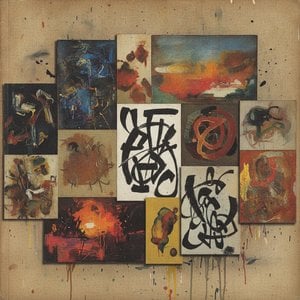
Journey through the raw emotion of Abstract Expressionism. From Pollock's drips to Rothko's color fields, explore 10 iconic masterpieces and their stories. Find museum-quality art reproductions for your space at WahooArt.com. Discover all masterpieces on WahooArt.com.


第一时间获取最新的艺术新闻、独家优惠及装饰灵感。
向我们介绍您的项目需求,我们的艺术专家将为您提供 3 个个性化的艺术品推荐。
由我们的专家为您精选 3 款心仪之作 —— 完全免费!


 效果预览
效果预览
 购买手绘画作
 分享
分享 分享
分享
 详情
详情

 下载
下载
 相似作品
相似作品 X射线
X射线 幻灯片播放
幻灯片播放

 展开详情
展开详情









 玻璃选项仅适用于110厘米以下的尺寸。


