
 Black and White PhotographyPhotoContemporary Realism
 1966Contemporary
 95.0 x 70.0 cm
博物馆级艺术微喷或帆布版画,制作高效,并提供多种饰面选择。 ( 购买手绘画作 切换至数字图像销售渠道)
从与原作比例一致的预设尺寸中进行选择。

您可以输入自定义尺寸,以适配特定的画框或空间。如果您选择的尺寸与原图比例不符,我们将对作品进行裁剪,或通过镜像填充/纯色填充边缘的方式来扩展图像。在开始制作之前,我们会向您发送一份数字效果图供您确认。
请注意,屏幕上的预览并不能反映实际的裁剪或扩展效果。只有效果图才能准确展示最终的构图。
虽然我们提供定制尺寸,但为了保持原图比例,我们建议您从预设列表中选择尺寸。

Eight Student Nurses
复制品尺寸
In the quiet, monochromatic expanse of Gerhard Richter’s 1966 photograph, “Eight Student Nurses,” one finds an encounter that is as much about what is absent as what is present. The image presents a row of eight young women, their heads and shoulders arranged with a rhythmic, almost clinical precision across a void of deep, uniform darkness. At first glance, the composition appears deceptively simple—a series of portraits captured with the straightforwardness of a yearbook or a documentary study. Yet, beneath this surface of photographic realism lies a profound meditation on the fragility of identity and the weight of history. The soft, diffused lighting gently brushes across their features, highlighting the subtle textures of hair and skin, while simultaneously casting a veil of quiet contemplation over the entire group.
The stylistic approach Richter employs here is a masterful exercise in photographic realism. By eschewing heavy manipulation or post-processing, he allows the raw essence of the subjects to emerge, mirroring the documentary aesthetics prevalent in the mid-1960s. There is no theatricality in the lighting; instead, there is an evenness that invites the viewer to linger on each face individually, yet keeps them bound together by their shared, somber atmosphere. For the collector or the interior designer, this piece offers a sophisticated tension—a balance between the stark, minimalist aesthetic of the dark background and the intimate, human vulnerability of the portraits.
To understand the emotional gravity of “Eight Student Nurses,” one must look toward the turbulent landscape of post-war Germany. Richter, born in Dresden, lived through a period defined by displacement, reconstruction, and the heavy shadows of the National Socialist era. This photograph, created during the 1960s, serves as a poignant reflection of the anxieties inherent in rebuilding a society from the ruins of conflict. The choice to utilize imagery reminiscent of yearbook photographs is deeply intentional; these are images imbued with nostalgia, representing a moment of youthful potential that feels frozen in time.
There is a tragic, almost spectral layer to this work that transcends its visual simplicity. The muted palette and the melancholic stillness of the subjects hint at a deeper, more unsettling truth—the historical reality of loss and the unpredictable cruelty of fate. Richter’s work often grapples with the difficulty of capturing "truth" in an era of shifting ideologies, and here, he uses the medium of photography to confront the viewer with the permanence of memory against the ephemeral nature of life. It is this layer of profound, historical sadness that gives the piece its enduring power, making it much more than a mere portrait; it is a vessel for collective mourning and reflection.
For those seeking to curate a space with intellectual depth and emotional resonance, “Eight Student Nurses” offers an unparalleled opportunity. The photograph’s monochromatic elegance makes it a versatile cornerstone for high-end interior design, capable of anchoring a room with its quiet authority. Whether placed in a minimalist gallery setting or integrated into a richly textured, contemporary living space, the work commands attention through its understated strength.
Owning a high-quality reproduction of this Richter masterpiece allows one to bring a piece of art history into the domestic sphere—a piece that does not merely decorate a wall but invites conversation and introspection. The stark contrast between the subjects and the dark background provides a striking visual focal point, while the subtle nuances of tone ensure that the work remains sophisticated and timeless. It is an investment in an aesthetic that celebrates the beauty of truth, the complexity of history, and the haunting allure of the human gaze.

1932 - , 德国

Explore the profound artistry of black and white photography. From historical mastery to the interplay of light and shadow, discover how monochrome captures timeless emotion and form through a sophisticated lens of art history.
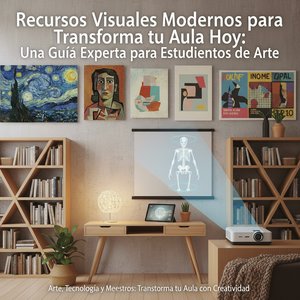
Discover how to transform the modern classroom by integrating art as a powerful pedagogical tool. This expert guide explores visual literacy, multidisciplinary learning, and innovative strategies to unlock student creativity and critical thinking through artistic expression.

Elevate your most cherished memories with WahooArt’s bespoke service. We transform your personal photos into breathtaking, hand-painted black & white oil masterpieces. Experience museum-quality craftsmanship and timeless elegance for your private collection. Discover the art of legacy.


 分享
分享 分享
分享
 详情
详情 指南
指南

 下载
下载
 相似作品
相似作品 幻灯片播放
幻灯片播放 统计数据
统计数据 展开详情
展开详情






































 玻璃选项仅适用于110厘米以下的尺寸。


