
 Painting
 1989Contemporary
 150.0 x 120.0 cm
 葡萄牙北部当代艺术网络
由我们的艺术家按需定制,为您提供您所选尺寸及画框的布面手工油画。 ( 切换至版画销售渠道 切换至数字图像销售渠道)
从与原作比例一致的预设尺寸中进行选择。

您可以输入自定义尺寸,以适配特定的画框或空间。如果所选尺寸与原图比例不符,我们将通过裁剪作品或添加手绘元素来扩展画面。数字样稿将在制作开始前发送给您确认。
请注意,屏幕预览无法准确反映实际的裁剪或扩展效果,只有样稿才能真实呈现最终的构图。
虽然我们提供定制尺寸服务,但为了保留原作比例,建议您从预设列表中选择尺寸。

Maria VII
复制品尺寸

Born in Porto, Portugal, in 1953, Gerardo Burmester de Almeida’s artistic journey is a compelling narrative of challenging conventions and forging a unique voice within the landscape of Portuguese contemporary art. From his early involvement with experimental groups like Grupo Puzzle and the establishment of Espaço Lusitano – spaces dedicated to pushing boundaries and exploring new forms of expression – to his current status as one of Portugal's most respected artists, Burmester de Almeida’s work is characterized by a deliberate simplicity, a critical eye, and an innovative use of materials. His career reflects a persistent interrogation of the role of painting itself, questioning its established norms while simultaneously embracing its potential for conceptual engagement.
Burmester de Almeida’s formative years were spent immersed in the vibrant artistic scene of Porto. His attendance at the Escola Superior de Belas-Artes do Porto provided a foundation, but it was his early collaborations with Grupo Puzzle – a collective known for its experimental approach to performance and visual art – that truly shaped his trajectory. This period saw him developing a distinctive style that combined elements of conceptualism, installation art, and a fascination with polished aluminum. This initial experimentation wasn’t merely aesthetic; it represented a conscious rejection of traditional painting practices and a desire to engage with the broader social and political context of the time. The founding of Espaço Lusitano further solidified this commitment, creating a platform for showcasing challenging and often provocative works that directly addressed issues of society and art itself.
Burmester de Almeida’s oeuvre is marked by a consistent exploration of minimalism and conceptual rigor. His work frequently utilizes simple geometric forms, restrained color palettes, and the strategic deployment of materials like polished aluminum – often employed to create surfaces that reflect and refract light, adding layers of complexity to their apparent simplicity. “Maria VII,” a 150 x 120 cm painting housed at the Rede Portuguesa de Arte Contemporânea a Norte in Porto, exemplifies this approach; its understated elegance belies a deeper conceptual engagement with representation and perception. Similarly, "Linha e Cor #08," a plexiglas and aluminum piece, showcases his mastery of materials and his ability to evoke profound meaning through seemingly minimal forms. His recent works have incorporated acrylics and transparencies, expanding the possibilities of color and form within his established aesthetic.
Gerardo Burmester de Almeida’s work has garnered significant recognition both in Portugal and internationally. Exhibitions at institutions such as Worcester College (Oxford, UK) and the New Hall Art Collection (Cambridge, UK) have cemented his position as a leading contemporary artist. His influence extends beyond individual works; he is considered part of a generation of Portuguese artists who emerged in the 1980s, responding to the political and social shifts following the Carnation Revolution. His work draws inspiration from movements like neoromanticism and conceptualism, while simultaneously forging his own distinct artistic identity. The recognition by institutions such as the Rede Portuguesa de Arte Contemporânea a Norte underscores the importance of his contribution to the Portuguese art scene.
Burmester de Almeida's work is deeply rooted in the broader context of Portuguese contemporary art. He represents a pivotal figure in a period of significant artistic transformation, challenging established conventions and pushing the boundaries of what painting could be. His consistent engagement with conceptual ideas, combined with his innovative use of materials and forms, has resulted in a body of work that is both intellectually stimulating and visually arresting. His ongoing practice continues to provoke critical reflection on the nature of art and its role within society, solidifying his place as a significant voice in contemporary Portuguese art.

1953 - , Portugal

Explore the profound elegance of minimalist art. Discover how the precision of a single line transforms simple geometry into timeless masterpieces for the discerning collector seeking sophistication and depth in fine art acquisitions.
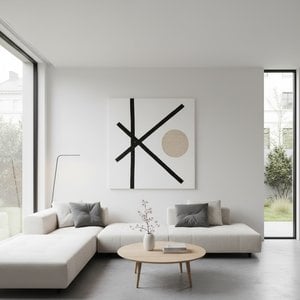
Discover how minimalist art elevates modern interiors. Explore the transformative power of geometric sculptures, tactile textures, and curated simplicity to create a luxurious, tranquil sanctuary in your home through expert design principles.
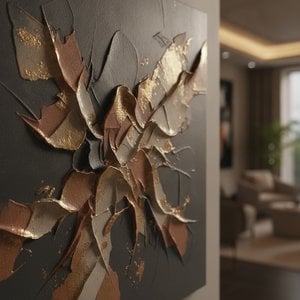
Elevate hospitality interiors with the sculptural depth of plaster and impasto art. Explore how tactile textures and relief techniques create immersive, luxurious environments for modern hotel design through expert curation and bespoke fine art commissions.
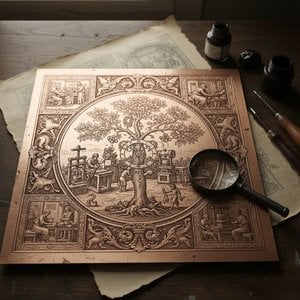
Explore the intricate world of etching and intaglio printmaking. Discover how masters use acid and metal to create profound textures and lines, from Romanticism to modern era, through an expert lens of art history and technical mastery.

Embark on a sophisticated journey through the history of line drawing. From classical mastery to modern minimalism, explore how the power of the line shapes emotion and space in fine art. Discover expert insights for collectors and enthusiasts of graphic elegance.


 效果预览
效果预览
 分享
分享 分享
分享
 详情
详情 指南
指南

 下载
下载
 相似作品
相似作品 X射线
X射线 幻灯片播放
幻灯片播放 统计数据
统计数据 展开详情
展开详情






































 玻璃选项仅适用于110厘米以下的尺寸。


