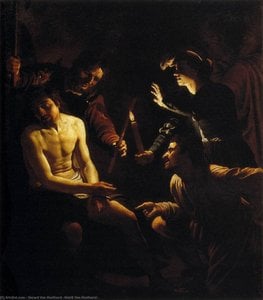
Oil On CanvasWallArtBaroque
 1622
1622 192.0 x 222.0 cm
由我们的艺术家按需定制,为您提供您所选尺寸及画框的布面手工油画。 ( 切换至版画销售渠道 切换至数字图像销售渠道)





























从与原作比例一致的预设尺寸中进行选择。

您可以输入自定义尺寸,以适配特定的画框或空间。如果所选尺寸与原图比例不符,我们将通过裁剪作品或添加手绘元素来扩展画面。数字样稿将在制作开始前发送给您确认。
请注意,屏幕预览无法准确反映实际的裁剪或扩展效果,只有样稿才能真实呈现最终的构图。
虽然我们提供定制尺寸服务,但为了保留原作比例,建议您从预设列表中选择尺寸。

Christ Crowned with Thorns, Gerard van Honthorst, c. 1622
复制品尺寸
Johannes Vermeer’s “The Astronomer,” completed around 1668, transcends mere portraiture; it's a masterful distillation of Baroque aesthetics and intellectual curiosity. Painted during the Dutch Golden Age, this captivating artwork captures a moment frozen in time – a scholar engrossed in observing the celestial heavens through a meticulously crafted brass telescope.
Vermeer's genius lies in his ability to create an illusion of depth within a relatively confined space. The painting employs a pyramidal composition, anchoring the gaze on the astronomer’s head and subtly guiding it downwards towards the telescope and its surroundings. Light plays a crucial role, emanating from a window positioned high on the left wall, illuminating the astronomer's face and casting dramatic shadows across the room.
Vermeer’s technique is characterized by meticulous layering of thin glazes – a hallmark of Baroque painting – allowing for unparalleled luminosity and tonal subtlety. He skillfully captures the textures of fabric (the astronomer’s robe), brass, and wood, demonstrating an astonishing level of realism. Vermeer's masterful use of chiaroscuro enhances the drama and emphasizes the contemplative mood of the scene.
“The Astronomer” reflects the burgeoning interest in scientific observation during the seventeenth century. The telescope, a relatively new invention at the time, represented a significant advancement in understanding the cosmos. Vermeer’s depiction wasn't merely aesthetically pleasing; it served as a commentary on the intellectual pursuits of his era.
However, Vermeer skillfully avoids didacticism, prioritizing artistic beauty over explicit instruction. The astronomer’s gaze is directed outwards, symbolizing contemplation and wonder—a reflection of the humanist values prevalent in Dutch society during this period.
The prominent window and its radiant light symbolize enlightenment and divine illumination – concepts central to Baroque spirituality. The telescope itself represents intellectual curiosity and the pursuit of knowledge. Furthermore, the astronomer’s posture conveys a sense of introspection and inner reflection, inviting viewers to contemplate their own place in relation to the universe.
The muted colors—primarily browns, golds, and reds—contribute to the painting's solemn atmosphere. Vermeer’s careful attention to detail underscores the importance of observation and contemplation – themes that resonate powerfully with audiences today.
"The Astronomer" evokes a profound sense of tranquility and intellectual engagement. It invites viewers to pause and consider the beauty of simplicity, mirroring Vermeer’s own artistic philosophy. The painting's enduring appeal lies in its ability to capture a fleeting moment of contemplative serenity—a testament to Vermeer’s unparalleled skill as an artist and his contribution to the legacy of Baroque art.


1590 - 1656
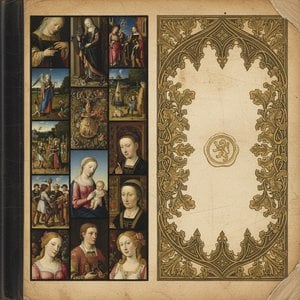
Journey into the world of Early Netherlandish painting! Explore 10 masterpieces by Jan van Eyck, Rogier van der Weyden & more. Discover stunning detail, symbolism & Renaissance art for your home decor. Find museum-quality reproductions on WahooArt.com
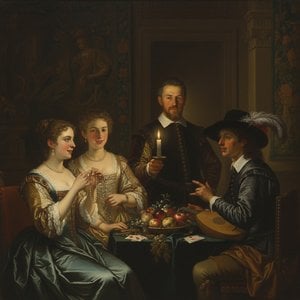
Explore the captivating world of Gerard van Honthorst, a Dutch Golden Age master renowned for his dramatic chiaroscuro & courtly portraits. Discover his life, art, and lasting influence on Baroque painting.

深入探索巴洛克艺术的辉煌历史、独特风格与持久影响。了解卡拉瓦乔、贝尼尼等大师的作品,洞悉反宗教改革运动下的艺术变革。WahooArt.com为您提供专业的艺术解读与高清画作欣赏。

Journey through the Golden Age with our guide to the Top 10 Dutch Baroque masterpieces! Explore iconic paintings by Rembrandt, Vermeer & Frans Hals. Find museum-quality art reproductions and elevate your home decor at WahooArt.com.

探索伦勃朗25幅杰作,领略荷兰黄金时代光影大师的艺术传奇!从《夜巡》到自画像,深入了解巴洛克艺术、历史绘画与人物肖像背后的故事。WahooArt.com提供高清艺术复制品及家居装饰灵感。立即探索完整系列!


 效果预览
效果预览
 分享
分享 分享
分享
 详情
详情 指南
指南

 下载
下载
 相似作品
相似作品 X射线
X射线 幻灯片播放
幻灯片播放 统计数据
统计数据 展开详情
展开详情









 玻璃选项仅适用于110厘米以下的尺寸。