
 Oil On CanvasWallArtDutch Baroque
 1617
1617 272.0 x 183.0 cm
 国家美术馆
国家美术馆由我们的艺术家按需定制,为您提供您所选尺寸及画框的布面手工油画。 ( 切换至版画销售渠道 切换至数字图像销售渠道)





























从与原作比例一致的预设尺寸中进行选择。

您可以输入自定义尺寸,以适配特定的画框或空间。如果所选尺寸与原图比例不符,我们将通过裁剪作品或添加手绘元素来扩展画面。数字样稿将在制作开始前发送给您确认。
请注意,屏幕预览无法准确反映实际的裁剪或扩展效果,只有样稿才能真实呈现最终的构图。
虽然我们提供定制尺寸服务,但为了保留原作比例,建议您从预设列表中选择尺寸。

Christ before the High Priest
复制品尺寸
Gerard van Honthorst's "Christ Before the High Priest," painted in 1617, is more than just a biblical scene; it’s a masterclass in Baroque drama rendered in oil on canvas. Currently residing within the esteemed National Gallery in London, this work immediately commands attention with its masterful manipulation of light and shadow – a signature technique that firmly establishes Honthorst as a key figure in the Dutch Golden Age. The painting depicts a pivotal moment: Jesus Christ facing interrogation by High Priest Caiaphas, just hours before his crucifixion. It’s a scene brimming with tension, spiritual weight, and an undeniable sense of impending doom, all expertly conveyed through the artist's keen eye for detail and profound understanding of human emotion.
Honthorst’s artistic journey was profoundly shaped by his time in Rome, where he encountered the revolutionary work of Caravaggio. This encounter ignited within him a passion for tenebrism – an approach to painting that utilizes stark contrasts between light and dark to create a theatrical effect. In “Christ Before the High Priest,” this technique is flawlessly executed. A single, unseen light source illuminates Christ’s face and upper body, casting the surrounding figures and the shadowed room in deep darkness. This dramatic interplay of light and shadow isn't merely aesthetic; it serves to draw the viewer’s eye directly to the central figure, emphasizing his vulnerability and the gravity of the situation. The use of chiaroscuro – a specific type of chiaroscuro focusing on subtle gradations of light – adds depth and volume to the figures, making them appear almost tangible within the space.
The composition of the painting is carefully constructed, employing a deliberate triangular arrangement that lends stability and balance to the scene. Christ occupies the apex of this triangle, immediately establishing him as the focal point. To his left stands an elderly man, gesturing emphatically towards the figure of Christ – a gesture laden with judgment and perhaps even accusation. Opposite him is a young woman, her expression one of quiet contemplation or perhaps apprehensive interest. These figures, along with the high priest (though not explicitly depicted), contribute to a complex narrative that speaks to themes of faith, betrayal, and divine justice. The dark background, adorned with what appear to be classical sculptures and paintings – remnants of the Marquis Giustiniani’s collection in Rome – subtly references the artistic traditions Honthorst encountered during his formative years, creating a dialogue between Italian Baroque influences and Dutch realism.
“Christ Before the High Priest” stands as a powerful testament to the artistic flourishing of the Dutch Golden Age. Beyond its technical brilliance, the painting reflects the era’s fascination with religious themes and dramatic storytelling. Honthorst wasn't simply replicating biblical scenes; he was imbuing them with an emotional intensity that resonated deeply with his audience. His work exemplifies the period’s commitment to realism while simultaneously embracing theatricality and a heightened sense of drama – qualities that would become hallmarks of Dutch Baroque painting. The piece offers a compelling glimpse into the spiritual and artistic climate of 17th-century Holland, showcasing a dynamic interplay between faith, art, and social context.
WahooArt is proud to offer exquisite, hand-painted reproductions of Gerard van Honthorst’s “Christ Before the High Priest.” Each reproduction captures the original's dramatic intensity and meticulous detail, allowing you to bring this iconic masterpiece into your home or office. Explore our collection today and experience the power of Baroque art firsthand.


1590 - 1656
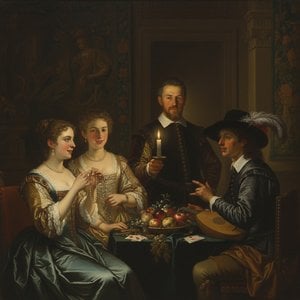
Explore the captivating world of Gerard van Honthorst, a Dutch Golden Age master renowned for his dramatic chiaroscuro & courtly portraits. Discover his life, art, and lasting influence on Baroque painting.

探索伦勃朗25幅杰作,领略荷兰黄金时代光影大师的艺术传奇!从《夜巡》到自画像,深入了解巴洛克艺术、历史绘画与人物肖像背后的故事。WahooArt.com提供高清艺术复制品及家居装饰灵感。立即探索完整系列!
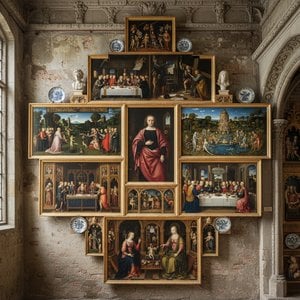
Journey into the Early Netherlandish Renaissance! Explore 10 iconic paintings by Jan van Eyck, Rogier van der Weyden & more. Discover stunning detail, symbolism, and oil painting techniques. Find museum-quality art reproductions for your home at WahooArt.com.

Explore the elegant world of Charles-André van Loo, a master of Rococo portraiture at the French court. Discover his life, techniques, and enduring influence on 18th-century art. Hand-painted reproductions available.
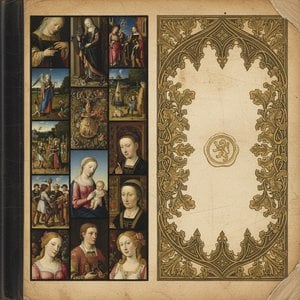
Journey into the world of Early Netherlandish painting! Explore 10 masterpieces by Jan van Eyck, Rogier van der Weyden & more. Discover stunning detail, symbolism & Renaissance art for your home decor. Find museum-quality reproductions on WahooArt.com


 效果预览
效果预览
 分享
分享 分享
分享
 详情
详情

 下载
下载
 相似作品
相似作品 X射线
X射线 幻灯片播放
幻灯片播放 统计数据
统计数据 展开详情
展开详情









 玻璃选项仅适用于110厘米以下的尺寸。


