A Shadowed Vision: The World of Gerald Albert Cains
Gerald Albert Cains emerges as a compelling, if somewhat enigmatic, figure in contemporary painting. His work isn’t about bright declarations or easy narratives; instead, it delves into the subtle power of atmosphere, the weight of memory, and the quiet drama of the human condition. While biographical details remain sparse – a deliberate choice perhaps, reflecting his preference for allowing the art to speak for itself – Cains' paintings and sculptures resonate with a profound emotional depth that belies any lack of public persona. He operates from a space where Victorian sensibilities meet modern anxieties, creating pieces that feel both timeless and acutely relevant. The landscapes he depicts are rarely idyllic; they are often brooding, shrouded in mist or twilight, hinting at stories untold and emotions barely contained. His figures, too, possess an introspective quality, their gazes averted, lost in thought or burdened by unseen sorrows. This consistent mood isn’t a product of stylistic affectation but rather seems to stem from a deeply personal exploration of the human psyche.
Early Influences and Artistic Development
Though formal training details are limited, it's clear that Cains draws heavily on the traditions of 19th-century Romanticism and Symbolism. The influence of artists like Caspar David Friedrich is palpable in his treatment of landscape – the solitary figure dwarfed by the immensity of nature, the emphasis on mood and spirituality over precise representation. However, Cains isn’t simply replicating these earlier styles; he filters them through a distinctly modern lens. There's a sense of alienation present in his work that feels very much rooted in the 20th and 21st centuries.
The Pre-Raphaelites also appear to have left their mark, particularly in Cains’ meticulous attention to detail and his often melancholic subject matter. Early works suggest an experimentation with various mediums before settling on oil paint as his primary vehicle for expression. His sculptures, though less numerous than his paintings, share the same thematic concerns – a preoccupation with isolation, loss, and the fragility of human existence. The development of his signature style can be seen as a gradual refinement of these early explorations, moving towards an increasingly nuanced and evocative use of color, light, and shadow.
Themes and Symbolism in Cains’ Oeuvre
Recurring motifs populate Cains' work, lending it a cohesive symbolic language. Water – often depicted as murky pools or turbulent seas – frequently appears, representing the subconscious, the flow of time, and the inevitability of change. Trees, particularly gnarled and solitary specimens, symbolize resilience, endurance, and the passage of generations.
The human figures in his paintings are rarely engaged in specific actions; they exist primarily as vessels for emotion. Their clothing often appears dated, evoking a Victorian or Edwardian aesthetic, which adds to the sense of timelessness and melancholy. Cains’ use of color is equally significant. He favors muted tones – grays, blues, browns, and ochres – creating an atmosphere of quiet contemplation. Occasional flashes of brighter color serve as focal points, drawing the viewer's eye and adding a layer of emotional intensity. The artist rarely offers explicit interpretations of his work, preferring to leave it open to individual interpretation. However, it’s clear that he is interested in exploring universal themes – love, loss, memory, mortality – through a deeply personal and symbolic lens.
Major Achievements and Critical Reception
While Cains maintains a relatively low profile, his work has garnered increasing attention from collectors and critics alike. He’s exhibited in numerous galleries across Europe and North America, and his paintings are now held in several private collections.
- His series of “Twilight Landscapes,” characterized by their haunting beauty and atmospheric depth, is widely considered to be his most significant achievement.
- The sculptures, though fewer in number, have been praised for their emotional power and technical skill.
- Cains’ ability to create a sense of atmosphere – a feeling of quiet drama and unspoken emotion – has been consistently noted by critics.
Critical reception has often focused on the artist's unique blend of traditional techniques and modern sensibilities. Some have described his work as “neo-Romantic,” while others have emphasized its psychological depth and symbolic complexity. Regardless of categorization, there’s a consensus that Cains is a significant voice in contemporary painting – an artist who dares to explore the darker corners of the human psyche with sensitivity and grace.
Historical Significance and Lasting Impact
Gerald Albert Cains occupies a unique position within the current art landscape. He doesn’t adhere to any particular school or movement, yet his work resonates with a wide range of audiences. In an era dominated by conceptual art and digital media, Cains' commitment to traditional painting techniques is both refreshing and compelling.
His emphasis on emotion, atmosphere, and symbolism offers a counterpoint to the often detached and intellectual nature of contemporary art. While it’s too early to fully assess his lasting impact, it’s clear that Cains has already established himself as an important artist – one whose work will continue to provoke thought and inspire contemplation for years to come. He reminds us of the power of painting to evoke emotion, explore the human condition, and create a sense of connection in a fragmented world. His art is not merely something to be looked at; it’s something to be *felt*.

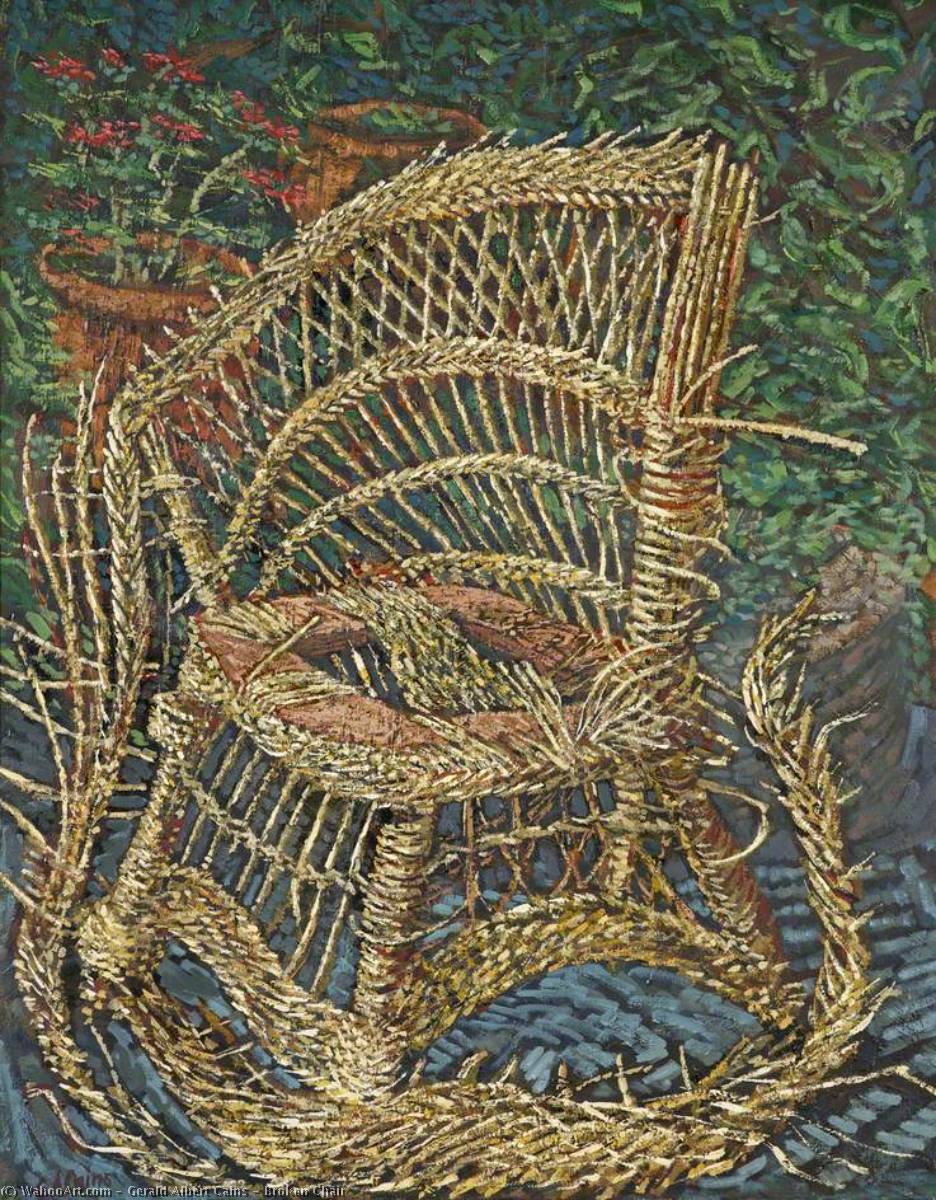
 90.0 x 70.0 cm
 Royal West of England Academy


 效果预览
效果预览
 切换至版画销售渠道
 分享
分享 分享
分享
 详情
详情 指南
指南

 下载
下载
 相似作品
相似作品 X射线
X射线 幻灯片播放
幻灯片播放 统计数据
统计数据 展开详情
展开详情


