
x































从与原作比例一致的预设尺寸中进行选择。

您可以输入自定义尺寸,以适配特定的画框或空间。如果您选择的尺寸与原图比例不符,我们将对作品进行裁剪,或通过镜像填充/纯色填充边缘的方式来扩展图像。在开始制作之前,我们会向您发送一份数字效果图供您确认。
请注意,屏幕上的预览并不能反映实际的裁剪或扩展效果。只有效果图才能准确展示最终的构图。
虽然我们提供定制尺寸,但为了保持原图比例,我们建议您从预设列表中选择尺寸。

Bella Donna
复制品尺寸
Georgia O'Keeffe’s "Bella Donna," painted in 1939, isn’t merely a depiction of a flower; it’s an immersion into the heart of the Southwest, a distillation of light and form rendered with a profound sense of stillness. This iconic work, housed within the Georgia O’Keeffe Museum in Santa Fe, embodies the artist's signature style – a deliberate flattening of perspective, an obsessive attention to texture, and a deeply personal exploration of nature’s inherent beauty. The painting captures a white flower, likely a desert poppy or yucca blossom, against a backdrop of a hazy blue sky, creating a luminous tableau that transcends simple botanical representation.
While often categorized as part of O’Keeffe's signature floral series, "Bella Donna" reveals a subtle shift towards the Precisionist movement. The sharp delineation of petals, the carefully constructed planes of color, and the almost photographic quality of detail—particularly in the flower’s center—echo the geometric rigor of artists like Charles Demuth and Abbott Thayer. However, O'Keeffe imbues this precision with her own unique sensibility, transforming it into a deeply emotional experience. The painting was created during a period when O’Keeffe had established herself as a leading figure in American modernism, having moved to New Mexico in 1940 and found inspiration in the stark beauty of the desert landscape. This environment—the intense sunlight, the vast open spaces, and the unique flora—became central to her artistic vision.
Beyond its aesthetic qualities, “Bella Donna” is rich in symbolic meaning. The flower itself represents a complex interplay of themes – fragility and resilience, beauty and decay. Its large, open petals suggest vulnerability, while the tightly clustered center hints at an underlying strength. The color white, often associated with purity and innocence, here carries a sense of quiet dignity. The hazy blue sky acts as both a backdrop and a mirror, reflecting the flower’s form and subtly blurring its edges, suggesting the ephemeral nature of beauty and the passage of time. Some art historians have linked the image to O'Keeffe's personal life, interpreting the flower as a symbol of her own enduring spirit amidst challenges.
O’Keeffe’s technique is characterized by meticulous observation and a masterful control of color. She employed thin layers of oil paint, building up the image gradually to create a remarkable sense of depth and luminosity. The use of complementary colors – the white flower against the blue sky – intensifies the visual impact, while subtle gradations of tone suggest the play of light on the petals. The artist’s decision to depict the flower at such an intimate scale—filling nearly the entire canvas—forces the viewer to confront its details with a heightened sense of awareness. It's not simply a painting *of* a flower; it’s an experience *with* a flower, inviting contemplation and a deep connection to the natural world.
“Bella Donna” is more than just a beautiful image; it's a portal into O’Keeffe’s inner world. The painting exudes a sense of quiet contemplation, inviting the viewer to slow down and appreciate the subtle wonders of nature. It speaks to a fundamental human desire for connection—with beauty, with ourselves, and with the vastness of the universe. Reproductions of this iconic work continue to captivate audiences worldwide, serving as a reminder of O’Keeffe's profound artistic vision and her ability to transform the ordinary into something extraordinary.

1887 - 1986 , 美国

Discover the breathtaking allure of Art Deco. Explore the era's iconic geometry, legendary designers like Erté, and timeless glamour. Perfect for discerning collectors seeking to infuse their spaces with sophisticated modernist elegance and historical prestige.
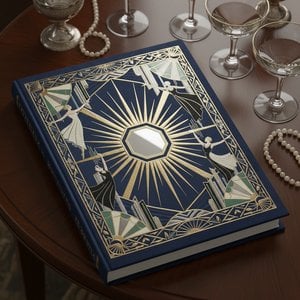
Discover the allure of Art Deco through a curated guide to its most iconic masterpieces. Explore the elegance of Erté and the innovation of Jean Dunand, perfect for collectors seeking timeless glamour and sophisticated design inspiration.

Discover the allure of Art Deco style with our expert guide to luxury interiors. Explore iconic influences from Erté to Jean Dunand and learn to curate a sophisticated space filled with timeless glamour and geometric elegance.

Discover the unparalleled elegance of Art Deco through the lens of Erté. Explore a masterclass in linear precision, theatrical costume design, and high-fashion illustration that continues to define modern luxury and sophisticated interior aesthetics.


第一时间获取最新的艺术新闻、独家优惠及装饰灵感。
向我们介绍您的项目需求,我们的艺术专家将为您提供 3 个个性化的艺术品推荐。
由我们的专家为您精选 3 款心仪之作 —— 完全免费!


 效果预览
效果预览
 购买手绘画作
 分享
分享 分享
分享
 详情
详情

 下载
下载
 相似作品
相似作品 X射线
X射线 幻灯片播放
幻灯片播放


 展开详情
展开详情









 玻璃选项仅适用于110厘米以下的尺寸。


