由我们的艺术家按需定制,为您提供您所选尺寸及画框的布面手工油画。 ( 切换至版画销售渠道 切换至数字图像销售渠道)





























从与原作比例一致的预设尺寸中进行选择。

您可以输入自定义尺寸,以适配特定的画框或空间。如果所选尺寸与原图比例不符,我们将通过裁剪作品或添加手绘元素来扩展画面。数字样稿将在制作开始前发送给您确认。
请注意,屏幕预览无法准确反映实际的裁剪或扩展效果,只有样稿才能真实呈现最终的构图。
虽然我们提供定制尺寸服务,但为了保留原作比例,建议您从预设列表中选择尺寸。

Bella Matribus Detestata.
复制品尺寸
Georges Rouault's “Bella Matribus Detestata” – Beautiful to Mothers, Hated by Mothers – is not merely a depiction of a mother and child; it’s an excavation of profound sorrow, a visceral rendering of vulnerability, and a testament to the artist’s deeply empathetic vision. Completed in 1927, this aquatint, roulette, and drypoint over heliogravure work embodies Rouault's signature style – a deliberate rejection of academic realism in favor of expressive distortion and an intensely emotional response to the human condition. The artwork immediately commands attention with its stark monochrome palette, dominated by shades of gray, black, and white, creating a sense of oppressive weight and quiet desperation.
The composition itself is powerfully simple: a mother and child are presented in a close embrace, their forms rendered with bold, thick lines that convey both solidity and fragility. The architectural element – a suggestion of a doorway or building – subtly frames the scene, adding depth without distracting from the central figures. Rouault’s masterful use of line isn't about precise representation; it’s about channeling emotion directly onto the paper. These aren’t delicate lines meant to capture detail; they are forceful strokes that imbue the mother and child with a palpable sense of suffering.
To fully appreciate “Bella Matribus Detestata,” one must understand Rouault's formative years. Born in Paris in 1871, he experienced firsthand the city’s turbulent history, including the brutal events of the Commune. This early exposure to violence and social unrest profoundly shaped his artistic sensibility, leading him to focus on the marginalized and forgotten – the poor, the sick, and the dying. His mother, a devout Catholic, instilled in him a deep sense of spirituality and compassion, themes that consistently informed his work. Rouault’s apprenticeship in stained glass further influenced his aesthetic; the bold outlines and luminous color fields he employed here are directly reminiscent of medieval artistry, creating a powerful connection to centuries-old traditions.
The title itself – “Bella Matribus Detestata” – is laden with symbolic weight. It’s a fragmented quotation from the Vulgate, referencing the biblical story of Rachel weeping for her children. This immediately establishes a narrative of profound grief and loss. The mother's face, rendered with large, almond-shaped eyes, conveys an overwhelming sense of sadness and despair. Her posture suggests both protection and anguish – she shields her child while simultaneously bearing the burden of their shared suffering. The simplified forms, devoid of realistic detail, contribute to a universality; these figures could represent any mother and child facing hardship, making the artwork profoundly moving and timeless.
Rouault’s technique is characterized by a deliberate contrast between dense shading and lighter highlights, creating a dramatic interplay of light and dark. The aquatint process, in particular, allows for subtle tonal variations that add to the artwork's emotional intensity. His approach wasn’t about meticulous detail; it was about capturing the essence of human emotion through expressive lines and bold color fields. “Bella Matribus Detestata” stands as a pivotal work in Rouault’s oeuvre, solidifying his reputation as one of the most significant figures of Expressionism. It remains a powerful example of how art can confront difficult truths and evoke profound emotional responses – a testament to the enduring power of human empathy.


1871 - 1958
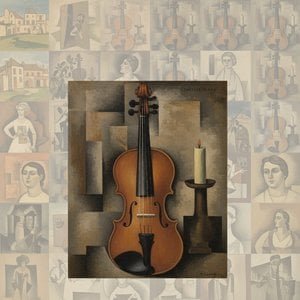
探索乔治·布拉克25幅大师杰作,领略立体主义的魅力与现代艺术的精髓。从早期作品到经典油画,WahooArt为您呈现法式优雅与家居装饰灵感。高清艺术复制品,点亮您的空间!立即在WahooArt.com发现更多。

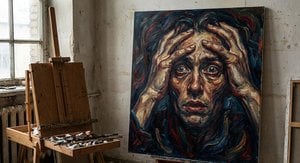
Discover the raw emotion of Symbolic Expressionism. Our expert guide explores how masters like Munch use color and form to convey inner feelings, offering inspiration for collectors looking to bring powerful, soulful art into their modern homes.
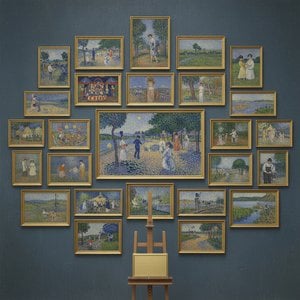
探索乔治·修拉25幅传世杰作!深入了解点彩画法、后印象派的艺术魅力,感受光与色彩的奇妙。WahooArt.com提供高品质修拉作品复制品,为您的家居空间增添经典艺术气息。立即在线探索完整系列!


 效果预览
效果预览
 分享
分享 分享
分享
 详情
详情

 下载
下载
 相似作品
相似作品 X射线
X射线 幻灯片播放
幻灯片播放 统计数据
统计数据

 展开详情
展开详情









 玻璃选项仅适用于110厘米以下的尺寸。