































从与原作比例一致的预设尺寸中进行选择。

您可以输入自定义尺寸,以适配特定的画框或空间。如果您选择的尺寸与原图比例不符,我们将对作品进行裁剪,或通过镜像填充/纯色填充边缘的方式来扩展图像。在开始制作之前,我们会向您发送一份数字效果图供您确认。
请注意,屏幕上的预览并不能反映实际的裁剪或扩展效果。只有效果图才能准确展示最终的构图。
虽然我们提供定制尺寸,但为了保持原图比例,我们建议您从预设列表中选择尺寸。

The Chair (La Chaise)
复制品尺寸
“The Chair,” painted in 1948 by Georges Braque, stands as a quintessential example of Cubist exploration—a deceptively simple depiction that belies the profound intellectual and artistic currents shaping the postwar art world. More than just a representation of furniture, it’s an invitation to contemplate the fractured nature of perception itself, mirroring the anxieties and uncertainties inherent in the era.
Historical Context: Created in the wake of World War II, “The Chair” reflects the broader artistic preoccupation with existential themes and psychological exploration prevalent during the period. Cubism emerged as a reaction against Impressionism's focus on fleeting sensations, asserting instead the primacy of conceptual thought and challenging viewers to actively engage with the artwork’s ambiguities.
Symbolism & Emotional Impact: The inclusion of an umbrella—positioned subtly off-center—adds another layer of symbolic significance. It represents protection from external forces but also hints at vulnerability, mirroring the human condition amidst turbulent times. Ultimately, “The Chair” evokes a sense of quiet contemplation and invites viewers to consider how perception shapes our understanding of reality. Its understated elegance underscores Braque’s mastery of form and his ability to convey profound ideas through deceptively simple imagery.


1882 - 1963 , 法国

Journey through the revolutionary world of Georges Braque. Explore 25 iconic Cubist masterpieces, from geometric abstractions to timeless still lifes. Find inspiration for your collection with museum-quality art reproductions. Discover all masterpieces on WahooArt.com.

Explore the profound evolution of Cubist still life, from Cézanne's structural foundations to the fragmented brilliance of Braque and Léger. Discover how geometric abstraction redefined reality through a sophisticated lens of form, color, and modern artistic mastery.

Master the complexities of Cubist composition with our expert guide. Explore analytical techniques, geometric deconstruction, and the art of simultaneous perspective to deepen your appreciation for this avant-garde movement.

Journey through the revolutionary world of Cubism. Explore 10 iconic masterpieces by legends like Picasso and Braque that redefined modern art. Find inspiration for your collection with our museum-quality reproductions. Discover all masterpieces on WahooArt.com.
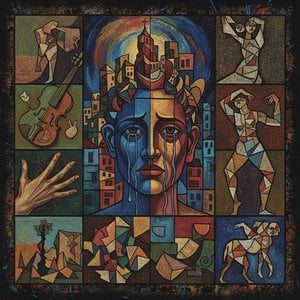
Journey through the vibrant world of Cubist Expressionism. Explore 10 iconic masterpieces, their bold techniques, and the stories behind these timeless works. Find museum-quality art reproductions and decor inspiration for your space. Discover all masterpieces on WahooArt.com.


 效果预览
效果预览
 购买手绘画作
 分享
分享 分享
分享
 详情
详情

 下载
下载
 相似作品
相似作品 X射线
X射线 幻灯片播放
幻灯片播放

 展开详情
展开详情









 玻璃选项仅适用于110厘米以下的尺寸。


