
 Acrylic On CanvasWallArtCubist Landscape
 190719th Century
 60.0 x 73.0 cm
博物馆级艺术微喷或帆布版画,制作高效,并提供多种饰面选择。 ( 购买手绘画作 切换至数字图像销售渠道)





























从与原作比例一致的预设尺寸中进行选择。

您可以输入自定义尺寸,以适配特定的画框或空间。如果您选择的尺寸与原图比例不符,我们将对作品进行裁剪,或通过镜像填充/纯色填充边缘的方式来扩展图像。在开始制作之前,我们会向您发送一份数字效果图供您确认。
请注意,屏幕上的预览并不能反映实际的裁剪或扩展效果。只有效果图才能准确展示最终的构图。
虽然我们提供定制尺寸,但为了保持原图比例,我们建议您从预设列表中选择尺寸。

Gray weather in cove
复制品尺寸
Gray Weather in Cove, painted in 1907 by Georges Braque, offers a compelling glimpse into the nascent stages of Cubism’s revolutionary approach to landscape representation. This evocative piece, measuring 60 x 73 cm, captures a dramatic coastal scene – towering mountains punctuated by a substantial rock formation, all enveloped within a brooding, cloudy sky. The painting isn't merely a depiction of a physical location; it’s an exploration of perception itself, foreshadowing Braque’s pivotal role in dismantling traditional artistic conventions.
Braque's technique in Gray Weather in Cove reveals a fascinating interplay between academic training and emerging artistic experimentation. Executed with oil paints, the brushwork is characterized by short, broken strokes—a hallmark of his early style. These deliberate marks contribute to the painting’s sense of fractured space and multiple viewpoints. The muted palette – dominated by grays, blues, and browns – reinforces the somber mood and emphasizes the textural qualities of the rock and foliage. Notably, Braque's background in his father's trade as a house painter is evident in his meticulous attention to surface detail and his understanding of how light interacts with different materials. This grounding in practical craftsmanship would later inform his radical artistic innovations.
Painted in 1907, this work sits squarely within the period leading up to the formal emergence of Cubism. Braque was deeply influenced by Paul Cézanne’s emphasis on geometric forms and his exploration of multiple perspectives within a single image. Furthermore, he engaged with the artistic currents of Primitivism – particularly African sculpture – which challenged Western notions of representation and encouraged artists to explore non-naturalistic forms. The fragmented depiction of the landscape in Gray Weather in Cove reflects this growing interest in simplifying and abstracting form, anticipating the key tenets of Cubism’s development alongside Pablo Picasso.
The “gray weather” itself carries a significant symbolic weight. The muted tones evoke feelings of melancholy, introspection, and perhaps even isolation – themes frequently explored in Braque's work. The imposing rock formation can be interpreted as representing strength, resilience, or the enduring power of nature. Ultimately, Gray Weather in Cove is not simply a landscape painting; it’s a profound meditation on perception, form, and the relationship between the artist and his subject – a pivotal moment in the history of modern art.

1882 - 1963 , 法国

探索浪漫主义风景画的巅峰!本文精选十部经典名作,带您领略莫奈、库尔贝等大师的艺术魅力。感受色彩与光影的诗意,重温自然风光的震撼。WahooArt.com为您提供博物馆级别的艺术复制品和个性化家居装饰方案。尽在WahooArt.com!

Explore the captivating world of vintage art prints! Discover their history, collecting tips & enduring appeal. Expert insights on chromolithography and building a legacy collection with WahooArt.

Explore the evocative world of vintage landscape art! Discover the history, artists & emotional power behind masterpieces from the Hudson River School & beyond. Expert insights for collectors & enthusiasts.
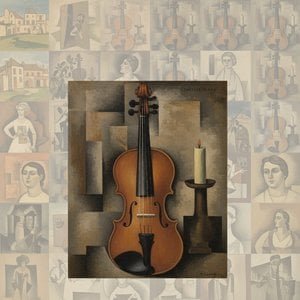
探索乔治·布拉克25幅大师杰作,领略立体主义的魅力与现代艺术的精髓。从早期作品到经典油画,WahooArt为您呈现法式优雅与家居装饰灵感。高清艺术复制品,点亮您的空间!立即在WahooArt.com发现更多。
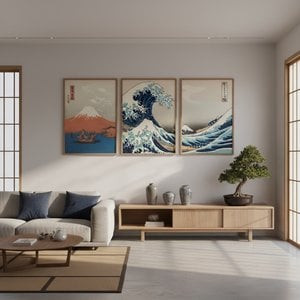
探索葛饰北斋的25幅传世名作!深入了解浮世绘大师的艺术传奇,感受《神奈川冲浪波》等经典作品背后的故事与魅力。WahooArt.com提供博物馆级高质量复制品,为您的家居带来日本风情和艺术灵感。立即探索完整系列!


 效果预览
效果预览
 分享
分享 分享
分享
 详情
详情 指南
指南

 下载
下载
 相似作品
相似作品 X射线
X射线 幻灯片播放
幻灯片播放 统计数据
统计数据 展开详情
展开详情









 玻璃选项仅适用于110厘米以下的尺寸。


