
由我们的艺术家按需定制,为您提供您所选尺寸及画框的布面手工油画。 ( 切换至版画销售渠道 切换至数字图像销售渠道)





























您可以从与原作比例一致的预设尺寸中进行选择。

请输入您需要的宽度和高度,以适配您的画框或墙面。由于作品为手工绘制,若您选择不同的尺寸比例,艺术家可能会在画面边缘多画一些或稍作裁剪 —— 由您决定。在开始绘画之前,我们会为您发送一份数字效果图供您确认。本页面上展示的图片并非最终实物 —— 只有效果图才能反映真实结果。
Peter Romney
复刻品尺寸说明
George Romney’s 1765 portrait, often referred to as “Unknown Man,” is far more than a simple likeness. It’s a carefully constructed tableau of Georgian society, brimming with subtle gestures and intellectual curiosity. Painted during a pivotal period of artistic and social change in Britain, the work offers a rare glimpse into the mind of a man contemplating his place within a rapidly evolving world. The painting depicts a gentleman, dressed in the fashionable attire of the era – a dark blue jacket, waistcoat, breeches, and buckled shoes – seated at an easel before a drafting table laden with geometric diagrams. His gaze is direct, almost challenging, as he turns to face the viewer, inviting us into his private thoughts.
The initial impression might be one of formality, but closer inspection reveals layers of complexity. Romney masterfully employs chiaroscuro – the dramatic contrast between light and shadow – to sculpt the figure’s form and draw attention to key details. The subtle shading around the eyes suggests a contemplative mood, while the precise rendering of his hands, poised over the drafting tools, speaks volumes about his intellectual pursuits. The background is deliberately muted, focusing entirely on the subject and reinforcing the sense of intimacy within the scene.
Romney’s “Unknown Man” isn't merely a portrait; it’s a visual argument about the nature of art itself. The diagrams on the drafting table, reminiscent of mathematical principles and architectural designs, hint at a debate taking place – a discussion between Romney’s brothers, Peter and James, regarding the theoretical foundations of painting. Peter, depicted gesturing towards the geometric forms, advocates for a rational, structured approach to artistic creation, drawing parallels with the precision of mathematics and design. James, standing behind him, counters this argument by pointing to a classical bust, suggesting that true artistry should be rooted in tradition and precedent – a reverence for the masters of antiquity.
This internal dialogue is brilliantly captured through Romney’s skillful use of composition and gesture. The brothers' postures and expressions convey their differing viewpoints with remarkable subtlety. The painting reflects the broader intellectual currents of the Georgian era, a time marked by an intense interest in reason, science, and classical learning. It was a period where artists were grappling with questions about the role of art in society and the relationship between beauty, truth, and knowledge.
Romney's technique is characterized by its remarkable realism and psychological depth. He possessed an extraordinary ability to capture not just the outward appearance of his subjects but also their inner lives. His portraits were renowned for their immediacy and emotional resonance, a quality that quickly established him as one of the most sought-after artists of his day.
The painting’s provenance is significant. It was part of the collection of Sir George Beaumont, a prominent figure in Georgian society and a patron of the arts. Beaumont's collection reflected his own intellectual interests, showcasing works that celebrated reason, learning, and classical ideals. The portrait’s journey through subsequent collections underscores its enduring appeal as a symbol of Georgian sophistication and artistic achievement.
Ultimately, “Unknown Man” is a poignant meditation on the complexities of human experience. It invites us to consider not just the subject's identity but also his thoughts, feelings, and aspirations. Romney’s masterful handling of light, shadow, and gesture creates a powerful sense of intimacy, drawing us into this quiet moment of intellectual reflection. It remains a compelling testament to the artist’s skill and a valuable window into the social and cultural landscape of Georgian England – a timeless image that continues to resonate with viewers today.
“Peter Romney”倾向于Warm Sunset Tones色调。
“Peter Romney”是一件Georgian Portraiture时期的作品。该艺术流派指明了作品所属的艺术传统。
在“Peter Romney”中,Acrylic On Canvas技法与Georgian Portraiture运动完美融合。

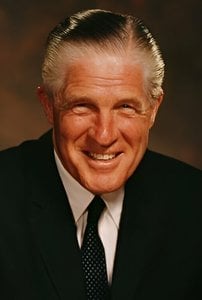
1734 - 1802 , 英国

Discover the enduring allure of hand-painted oil reproductions. WahooArt offers museum-quality, archival masterpieces designed for discerning collectors seeking timeless beauty and a lasting legacy. Invest in fine art that transcends generations with our expert craftsmanship.

Discover the profound allure of oil on canvas. Explore the mastery of impasto textures, the science of pigment longevity, and expert guides to selecting museum-quality reproductions that elevate your collection with timeless elegance and tactile depth.
Discover the exquisite journey of transforming digital photography into bespoke oil masterpieces. Experience unparalleled craftsmanship with hand-painted reproductions that bridge modern memories and timeless fine art excellence.

Discover the enduring allure of oil on canvas. Explore how master techniques like impasto and glazing create the depth, texture, and emotional resonance found in the world's greatest masterpieces. An essential guide for fine art enthusiasts and discerning collectors.


 实景预览
实景预览
 发送
发送 分享
分享
 详情
详情 指南
指南

 下载图片
下载图片
 相似作品
相似作品 X射线
X射线 幻灯片播放
幻灯片播放 统计数据
统计数据

 阅读全文
阅读全文









 玻璃选项仅适用于110厘米以下的尺寸。


