
x































从与原作比例一致的预设尺寸中进行选择。

您可以输入自定义尺寸,以适配特定的画框或空间。如果所选尺寸与原图比例不符,我们将通过裁剪作品或添加手绘元素来扩展画面。数字样稿将在制作开始前发送给您确认。
请注意,屏幕预览无法准确反映实际的裁剪或扩展效果,只有样稿才能真实呈现最终的构图。
虽然我们提供定制尺寸服务,但为了保留原作比例,建议您从预设列表中选择尺寸。

metropolis
复制品尺寸
George Grosz’s “Metropolis” is not merely a depiction of a city street; it’s a raw, unflinching diagnosis of societal malaise rendered with the brutal honesty only a disillusioned artist can possess. Painted by a man deeply scarred by the turbulent realities of his time – the Weimar Republic and the looming shadow of fascism – this large-scale artwork pulsates with an unsettling energy, capturing the frenetic pace and moral corruption that defined Berlin in the early 20th century. The scene unfolds as a chaotic ballet of humanity: figures jostle for space on a rain-slicked street, their faces etched with weariness and indifference, each lost within their own private anxieties. A solitary automobile, a symbol of burgeoning modernity and its potential for destruction, adds to the sense of unease, highlighting the disconnect between progress and human well-being.
Born in Berlin in 1893, George Grosz emerged as a pivotal figure in early 20th-century art, a satirist who relentlessly exposed the hypocrisy and decadence of Prussian society. His artistic journey began with meticulous studies of Dutch masters – Eduard von Grützner, to be precise – demonstrating a disciplined technical foundation before he deliberately shattered academic conventions. This deliberate rejection of traditional aesthetics fueled his signature style: jagged lines, distorted figures, and grotesque caricatures designed to shock and provoke. Grosz’s work wasn't simply observational; it was an active critique, born from personal experiences—his father’s death, his mother’s involvement with officers’ messes – immersing him in a world of militarism and rigid social structures that he would later dismantle through his art. The painting reflects this deeply rooted dissatisfaction, transforming the familiar cityscape into a stage for exposing its underlying rot.
The artwork’s impact is amplified by Grosz's masterful use of color and composition. Bold, saturated hues – predominantly dark browns, grays, and ochres – contribute to the painting’s oppressive atmosphere, mirroring the grim realities depicted. The figures are rendered with a deliberate lack of detail, emphasizing their anonymity and dehumanization. The crowded street is constructed using dynamic lines that converge towards vanishing points, creating a sense of disorientation and contributing to the overall feeling of unease. Grosz's technique – characterized by rapid brushstrokes and a somewhat loose application of paint – lends a raw, almost frantic energy to the scene, reflecting the anxieties of the era.
"Metropolis" is laden with symbolic weight. The rain itself represents cleansing but also stagnation, washing away superficial appearances while failing to address deeper issues. The numerous pedestrians, each absorbed in their own thoughts or actions, symbolize the apathy and indifference that allowed social ills to flourish. The car, a symbol of technological advancement, becomes an emblem of destructive potential. Ultimately, the painting evokes a profound sense of alienation and despair – a feeling that resonates powerfully even today. It’s a stark reminder of the fragility of civilization and the ever-present threat of moral decay.


1893 - 1959 , 中国

Master the nuances of Giclée printing with our expert guide. Discover how pigment-based inks and museum-grade substrates create fade-resistant, high-fidelity art reproductions designed for discerning collectors seeking unparalleled quality and longevity.
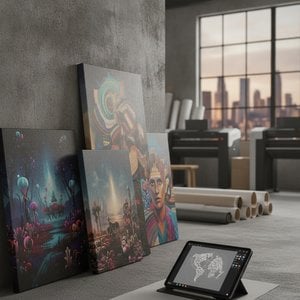
Transform your digital artistry into a prestigious global brand with WahooArt’s premium Giclée prints. Experience museum-quality archival excellence and seamless on-demand fulfillment designed for the modern creative entrepreneur seeking to build a lasting artistic legacy.


第一时间获取最新的艺术新闻、独家优惠及装饰灵感。
向我们介绍您的项目需求,我们的艺术专家将为您提供 3 个个性化的艺术品推荐。
由我们的专家为您精选 3 款心仪之作 —— 完全免费!


 效果预览
效果预览
 购买印刷品
购买印刷品 分享
分享 分享
分享
 详情
详情

 下载
下载
 相似作品
相似作品 X射线
X射线 幻灯片播放
幻灯片播放

 展开详情
展开详情









 玻璃选项仅适用于110厘米以下的尺寸。


