
 Oil On CanvasWallArtVerism
 1928Modern
 115.0 x 75.0 cm
博物馆级艺术微喷或帆布版画,制作高效,并提供多种饰面选择。 ( 购买手绘画作 切换至数字图像销售渠道)





























从与原作比例一致的预设尺寸中进行选择。

您可以输入自定义尺寸,以适配特定的画框或空间。如果您选择的尺寸与原图比例不符,我们将对作品进行裁剪,或通过镜像填充/纯色填充边缘的方式来扩展图像。在开始制作之前,我们会向您发送一份数字效果图供您确认。
请注意,屏幕上的预览并不能反映实际的裁剪或扩展效果。只有效果图才能准确展示最终的构图。
虽然我们提供定制尺寸,但为了保持原图比例,我们建议您从预设列表中选择尺寸。

Artist and Model
复制品尺寸
George Grosz's "Artist and Model," painted in 1928, is a captivating representation of the complex relationship between an artist and his muse within the turbulent social landscape of Weimar Berlin. This oil on canvas masterpiece, measuring 115 x 75 cm, exemplifies the Verism style, known for its unflinching realism and critical portrayal of society.
George Grosz (1893-1959) was a German artist renowned for his satirical drawings and paintings depicting the decadence and social unrest prevalent in Berlin during the 1920s. A prominent figure within the Berlin Dada and New Objectivity movements, Grosz's work served as a sharp critique of bourgeois values and political corruption. His style is characterized by the use of oil on canvas, often employing exaggerated features and distorted perspectives to convey his message. He was born Georg Ehrenfried Groß in Stolp (now Słupsk, Poland), and later changed his name to George Grosz as a protest against German nationalism.
The painting depicts a nude female figure standing with her back turned to the viewer, positioned before a man who is presumably an artist holding a paintbrush. The composition creates a dynamic tension; the woman's averted gaze suggests vulnerability or perhaps defiance, while the artist’s posture implies observation and creative intent. A chair and two other figures in the background add depth and complexity to the scene. Grosz masterfully utilizes Verism techniques to render the figures with stark realism, highlighting their physical presence and emotional undertones. The setting is ambiguous, suggesting an outdoor studio or a private encounter.
Created during the Weimar Republic, a period of significant social and political upheaval in Germany, "Artist and Model" reflects the era's anxieties and moral ambiguities. The painting can be interpreted as a commentary on the commodification of women within the art world and the power dynamics inherent in artistic creation. Grosz’s work often satirized German society, exposing its hypocrisy and decadence. The choice to depict the model nude further emphasizes this critique, challenging conventional notions of beauty and representation. The painting's style aligns with New Objectivity (Neue Sachlichkeit), a movement that rejected Expressionism's emotional intensity in favor of a more detached and realistic portrayal of reality.
"Artist and Model" evokes a sense of melancholy and introspection. The muted color palette, dominated by earth tones, contributes to the painting’s somber mood. While seemingly straightforward, the work invites viewers to contemplate the complexities of human relationships, artistic inspiration, and the societal forces that shape our perceptions. Grosz's unflinching portrayal of reality continues to resonate with audiences today, solidifying his place as a significant figure in 20th-century art.


1893 - 1959 , 中国
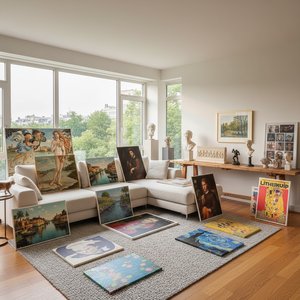
探索柏林国立博物馆25幅艺术杰作!从纳菲蒂蒂到佩加蒙祭坛,深入了解艺术史、艺术家故事与创作灵感。WahooArt.com提供高品质艺术复制品,为您的家居带来博物馆级装饰体验。立即在线探索完整系列!

Explore the fascinating history of the 'art model' through centuries of painting! Discover academic techniques, social contexts & the evolving role of models in art. WahooArt offers custom reproductions and expert consultation.
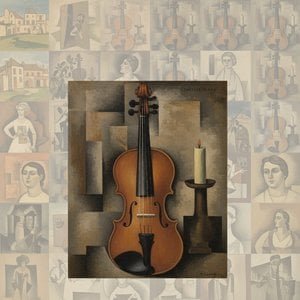
探索乔治·布拉克25幅大师杰作,领略立体主义的魅力与现代艺术的精髓。从早期作品到经典油画,WahooArt为您呈现法式优雅与家居装饰灵感。高清艺术复制品,点亮您的空间!立即在WahooArt.com发现更多。

深入探索二十世纪初达达主义的反艺术革命,解读杜尚现成品背后的哲学思辨与康德理性批判的影响。WahooArt为您提供专业的艺术品鉴赏、定制复制及收藏咨询服务。
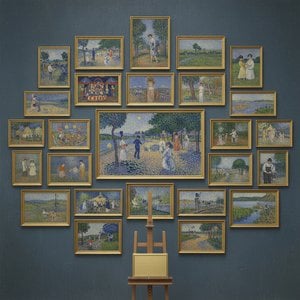
探索乔治·修拉25幅传世杰作!深入了解点彩画法、后印象派的艺术魅力,感受光与色彩的奇妙。WahooArt.com提供高品质修拉作品复制品,为您的家居空间增添经典艺术气息。立即在线探索完整系列!


 效果预览
效果预览
 分享
分享 分享
分享
 详情
详情 指南
指南

 下载
下载
 相似作品
相似作品 X射线
X射线 幻灯片播放
幻灯片播放 统计数据
统计数据 展开详情
展开详情









 玻璃选项仅适用于110厘米以下的尺寸。


