
 Acrylic On CanvasWallArtSymbolist Movement
 1884
1884 116.0 x 257.0 cm
 泰特不列顛美术馆
由我们的艺术家按需定制,为您提供您所选尺寸及画框的布面手工油画。 ( 切换至版画销售渠道 切换至数字图像销售渠道)





























您可以从与原作比例一致的预设尺寸中进行选择。

请输入您需要的宽度和高度,以适配您的画框或墙面。由于作品为手工绘制,若您选择不同的尺寸比例,艺术家可能会在画面边缘多画一些或稍作裁剪 —— 由您决定。在开始绘画之前,我们会为您发送一份数字效果图供您确认。本页面上展示的图片并非最终实物 —— 只有效果图才能反映真实结果。
Eve Tempted
复刻品尺寸说明
George Frederic Watts' “Eve Tempted,” painted in 1884, isn’t merely a depiction of the biblical Fall; it’s a profound exploration of human desire, vulnerability, and the fraught relationship between innocence and experience. Created during a period when Symbolism was challenging academic realism, Watts eschewed straightforward narrative for a richly layered allegory, inviting viewers to contemplate the complexities of choice and its consequences. The painting immediately draws the eye with its dramatic lighting – a stark contrast between the shadowed depths of the garden and the luminous glow surrounding Eve – suggesting a world poised on the brink of revelation, both alluring and terrifying.
Watts was deeply rooted in the artistic traditions of his time, yet he forged a distinctly personal style. “Eve Tempted” exemplifies this fusion. The composition is heavily influenced by Renaissance painting, particularly Botticelli’s “Primavera,” evident in the graceful pose of Eve and the lush, almost dreamlike quality of the foliage. However, Watts departs from traditional idealism, imbuing the scene with a palpable sense of melancholy and foreboding. His technique is characterized by meticulous detail – observe the intricate folds of Eve's dress, the delicate texture of the fruit, and the subtle variations in color—combined with a masterful use of chiaroscuro (the dramatic contrast between light and dark). The painting’s palette leans towards somber hues: deep greens, browns, and purples dominate, punctuated by the vibrant red of the apple, which acts as a visual focal point, radiating both temptation and danger. Watts' earlier exposure to Elgin Marbles also informed his work, particularly in the idealized forms of the figures.
Beyond the immediate narrative of the Fall, “Eve Tempted” is saturated with symbolic meaning. The garden itself represents Paradise, a state of blissful innocence and harmony. The dog beneath the tree – often interpreted as representing primal instinct or even Satan—watches over the scene, suggesting the ever-present threat to this idyllic existence. Eve’s posture, with one hand shielding her face and the other holding the apple, embodies both shame and defiance. Her nudity isn't presented as overtly sensual but rather as a symbol of vulnerability and exposure – she is stripped bare not just physically, but emotionally and spiritually. The apple itself is laden with symbolism: it represents knowledge, transgression, and the potential for both enlightenment and destruction. The surrounding flowers—particularly lilies, associated with purity—are subtly corrupted by the presence of the forbidden fruit, hinting at the irreversible nature of Eve’s choice.
“Eve Tempted” is more than just a biblical illustration; it's a powerful depiction of Victorian sensibilities – a period characterized by intense introspection, moral anxieties, and a fascination with hidden emotions. Watts was deeply concerned with the psychological complexities of his subjects, and this painting reflects that preoccupation. The scene evokes a sense of quiet desperation, capturing the moment before the irrevocable fall. It’s a poignant meditation on human nature, exploring themes of temptation, guilt, and the enduring struggle between good and evil. The painting's emotional resonance continues to captivate viewers today, offering a timeless reflection on the choices we make and their lasting consequences. The work speaks to the universal experience of confronting difficult truths and navigating the complexities of our own desires.
“Eve Tempted”采用 Acrylic On Canvas 创作,呈现出 Symbolist Movement 风格。
“Eve Tempted” 传达出一种 Melancholic 的情感。这种情感基调描述了作品给人的印象。
针对 乔治·弗雷德里克·沃茨 的《Eve Tempted》,我们提供了一个 指南 页面:这是一份可打印的艺术品资料页,专为学生及课堂教学使用而设计。

1817 - 1904 , 英国
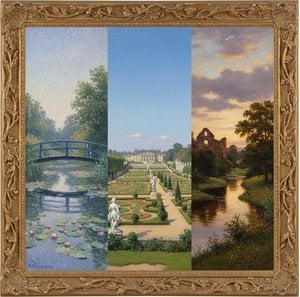
Embark on a visual journey through the serene beauty of gardens and parks in fine art. Discover how master artists capture nature's tranquility through impressionistic blooms and classical landscapes to bring timeless elegance into your home collection.
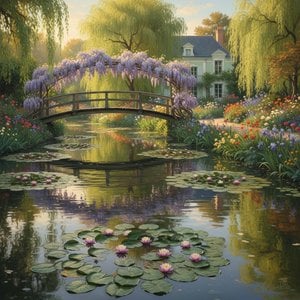
Embark on a visual journey through Claude Monet's Giverny. Discover the enchanting light, vibrant colors, and breathtaking landscapes of his legendary gardens through an expert exploration of Impressionist mastery and timeless beauty.


 实景预览
实景预览
 发送
发送 分享
分享
 详情
详情 指南
指南

 下载图片
下载图片
 相似作品
相似作品 X射线
X射线 幻灯片播放
幻灯片播放 统计数据
统计数据 阅读全文
阅读全文









 玻璃选项仅适用于110厘米以下的尺寸。


