
 Romanticism
 1790
1790 34.0 x 52.0 cm
由我们的艺术家按需定制,为您提供您所选尺寸及画框的布面手工油画。 ( 切换至版画销售渠道 切换至数字图像销售渠道)
从与原作比例一致的预设尺寸中进行选择。

您可以输入自定义尺寸,以适配特定的画框或空间。如果所选尺寸与原图比例不符,我们将通过裁剪作品或添加手绘元素来扩展画面。数字样稿将在制作开始前发送给您确认。
请注意,屏幕预览无法准确反映实际的裁剪或扩展效果,只有样稿才能真实呈现最终的构图。
虽然我们提供定制尺寸服务,但为了保留原作比例,建议您从预设列表中选择尺寸。

Villa Adriana
复制品尺寸

George Augustus Wallis, born in the quiet surroundings of Merton, Surrey, in 1761, stands as a luminous figure in the transition from Neoclassicism to the emotive depths of Romanticism. His life was a grand odyssey across the European continent, a journey that mirrored the evolution of his brushwork from disciplined structure to atmospheric splendor. As a protégé of George Greville, the 2nd Earl of Warwick, Wallis was afforded an early and vital connection to the upper echelons of art patronage. This relationship provided not only financial stability but also an immersion in the artistic currents flowing through Warwick Castle, where he encountered the profound influence of German Romanticism through artists like Philipp Hackert. These early years laid the foundation for a career defined by a deep reverence for the sublime grandeur of the natural world.
The true metamorphosis of Wallis’s artistry occurred during his transformative travels through Italy between 1788 and 1790. Funded by the generosity of his patron, he embarked on a pilgrimage to Naples, Rome, and Sicily, immersing himself in an international community of luminaries. In the vibrant studios of Naples and the historic streets of Rome, Wallis encountered the works and methods of Joseph Anton Koch and Gottlieb Schick. These encounters acted as a catalyst, pushing him away from rigid classical conventions toward a more expressive, luminous style. His palette began to breathe with the warmth of Mediterranean light, and his landscapes acquired a palpable sense of immediacy and emotion, capturing not just the topography of a place, but its very soul.
Wallis’s body of work is characterized by a remarkable versatility, ranging from monumental oil canvases that command attention to intimate watercolors that whisper of fleeting moments. His mastery of light became his signature, a technique that allowed him to render the textures of ancient ruins and lush foliage with breathtaking realism. One of his most enduring achievements is Villa Adriana, a masterpiece created in 1790 that serves as a poignant window into the Roman past. In this work, he achieves a delicate balance between meticulous historical detail and Romantic idealism, presenting the ruins not merely as decaying stone, but as a serene, timeless landscape imbued with a sense of melancholy beauty.
His ability to capture the human presence within nature is equally profound, as seen in Landscape near Rome. In this composition, the artist uses the figure of a man gazing into the distance to invite the viewer into his own state of contemplation, effectively bridging the gap between the observer and the observed. This technique of using figures to anchor the vastness of the landscape became a hallmark of his mature style. Beyond his landscapes, Wallis was also a skilled portraitist and fresco painter, particularly during his influential years teaching at the Accademia di Belle Arti in Florence. His later life, spent largely on the Continent—including periods in Spain and Germany—saw him acting as both an educator and an art dealer, further cementing his role in the broader European art market.
The historical significance of George Augustus Wallis lies in his role as a bridge between eras. He was a pioneer who helped usher in the Romantic landscape tradition by blending the structural integrity of German-influenced Neoclassicism with a new, emotive focus on atmospheric perspective and light. His life, marked by both political turbulence and artistic triumph, reflects the very essence of the 19th-century spirit: a restless search for beauty amidst the changing tides of history.

1761 - 1847
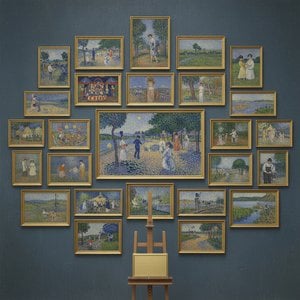
探索乔治·修拉25幅传世杰作!深入了解点彩画法、后印象派的艺术魅力,感受光与色彩的奇妙。WahooArt.com提供高品质修拉作品复制品,为您的家居空间增添经典艺术气息。立即在线探索完整系列!

探索浪漫主义风景画的巅峰!本文精选十部经典名作,带您领略莫奈、库尔贝等大师的艺术魅力。感受色彩与光影的诗意,重温自然风光的震撼。WahooArt.com为您提供博物馆级别的艺术复制品和个性化家居装饰方案。尽在WahooArt.com!

Explore the captivating world of Hubert Robert, master of Romantic landscape painting & 'capriccio' ruins. Discover his historical context, artistic innovations, and collecting insights with WahooArt.
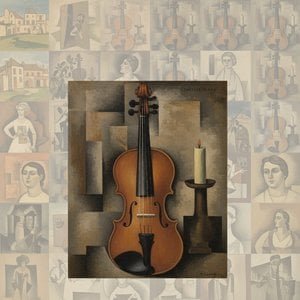
探索乔治·布拉克25幅大师杰作,领略立体主义的魅力与现代艺术的精髓。从早期作品到经典油画,WahooArt为您呈现法式优雅与家居装饰灵感。高清艺术复制品,点亮您的空间!立即在WahooArt.com发现更多。

Explore the rich history of landscape art with WahooArt. Discover renowned artists, movements like Impressionism & Romanticism, and expert guidance for collecting timeless pieces. Find your perfect serene escape today!


 效果预览
效果预览
 分享
分享 分享
分享
 详情
详情 指南
指南

 下载
下载
 相似作品
相似作品 X射线
X射线 幻灯片播放
幻灯片播放 统计数据
统计数据 展开详情
展开详情






































 玻璃选项仅适用于110厘米以下的尺寸。


