
 Acrylic On CanvasWallArtDutch Golden Age
 1661
1661 27.0 x 23.0 cm
 卢浮宫
卢浮宫由我们的艺术家按需定制,为您提供您所选尺寸及画框的布面手工油画。 ( 切换至版画销售渠道 切换至数字图像销售渠道)





























从与原作比例一致的预设尺寸中进行选择。

您可以输入自定义尺寸,以适配特定的画框或空间。如果所选尺寸与原图比例不符,我们将通过裁剪作品或添加手绘元素来扩展画面。数字样稿将在制作开始前发送给您确认。
请注意,屏幕预览无法准确反映实际的裁剪或扩展效果,只有样稿才能真实呈现最终的构图。
虽然我们提供定制尺寸服务,但为了保留原作比例,建议您从预设列表中选择尺寸。

The Apothecary (The Chemist)
复制品尺寸
Gabriel Metsu’s “The Apothecary,” painted in Leiden around 1661, isn't merely a portrait; it’s a meticulously crafted snapshot of a specific moment within the vibrant tapestry of 17th-century Holland. More than just depicting a man at his desk, Metsu has created an intimate scene brimming with quiet contemplation and subtle symbolism – a window into the intellectual and domestic life of a Dutch scholar. The painting immediately draws the eye to its subject: a distinguished gentleman, clad in a rich red coat, seated amidst a carefully arranged study. His posture suggests absorption, his gaze directed towards a book or perhaps a document spread before him, hinting at scholarly pursuits.
Metsu’s genius lies not just in his realistic depiction of the figure but also in the masterful orchestration of the surrounding details. The room itself is bathed in soft, natural light streaming through an arched window, illuminating dust motes dancing in the air and casting a warm glow on the various objects within. A scattering of books – one resting at his feet, another upon the table – speaks to his intellectual life, while a cup suggests a moment’s respite. The inclusion of a small dog, curled up near his feet, adds a touch of domesticity and companionship, grounding the scene in everyday reality.
Metsu was renowned for his “eclectic” style – a refusal to adhere rigidly to any single artistic convention. This is vividly apparent in "The Apothecary," where elements of portraiture, genre painting, and still life converge seamlessly. His brushwork is remarkably delicate and precise, particularly evident in the rendering of fabrics and textures. The subtle gradations of light and shadow create a sense of depth and volume, while the muted color palette – dominated by browns, reds, and creams – contributes to the painting’s overall atmosphere of quiet contemplation.
Notably, Metsu employed a technique known as “clair-obscur,” utilizing strong contrasts between light and dark to model forms and create dramatic effects. This is particularly evident in the way he highlights the figure's face and hands, drawing attention to his features and gestures. The use of oil paint allowed for incredible detail and luminosity, capturing the textures of the books, the sheen of the fabrics, and the subtle nuances of light on surfaces.
Beyond its immediate visual appeal, “The Apothecary” is rich in symbolic meaning. The scholar's attire – the red coat, a symbol of status and learning – suggests his position within Dutch society. The books represent knowledge, wisdom, and intellectual pursuits, central values during the Golden Age. The inclusion of the dog can be interpreted as a symbol of loyalty and fidelity, qualities valued in both human relationships and scholarly endeavors.
Painted in 1661, the work reflects the burgeoning intellectual climate of the Dutch Republic, a period marked by religious tolerance, scientific inquiry, and economic prosperity. Leiden, where Metsu resided, was a center of learning and innovation, home to prominent universities and a thriving community of scholars. The painting captures this atmosphere of intellectual curiosity and quiet contemplation – a testament to the importance of knowledge and scholarship in Dutch society.
“The Apothecary” transcends its historical context, offering a timeless portrayal of human intellect and domestic tranquility. The painting’s serene atmosphere invites viewers to pause and reflect on the simple pleasures of learning, companionship, and quiet contemplation. There's an undeniable sense of intimacy within the scene, as if we are privileged witnesses to a private moment in the scholar’s life. Metsu masterfully captures not just a likeness but also a mood – a feeling of thoughtful engagement with the world around him.


1629 - 1667 , 荷兰

探索荷兰黄金时代的艺术巅峰! 伦勃朗、维米尔等大师名作,带您领略巴洛克艺术的辉煌。高清画作、博物馆级品质,点亮您的家居空间。WahooArt.com 提供精选艺术复制品和定制装饰方案。立即在线探索全系列!

Explore the rich symbolism of the red dress in art history! From ancient power displays to iconic portraits like Cézanne’s 'Madame Cezanne', discover the cultural and artistic significance behind this captivating color. Expert analysis & insights.
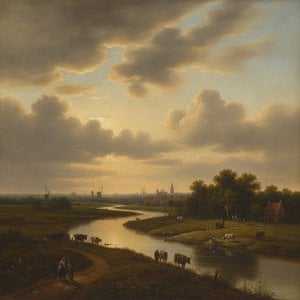
Discover the breathtaking beauty of Dutch Golden Age landscapes. Explore the mastery of light, chiaroscuro, and 17th-century realism through an expert art history lens, celebrating the enduring legacy of the Dutch Masters for discerning collectors and art lovers.

Explore the captivating world of Gabriel Metsu, a leading Dutch Golden Age painter. Discover his exquisite genre scenes, masterful realism, and insightful social commentary. Learn about key works & his lasting legacy.

深入探索荷兰黄金时代的绘画艺术:伦勃朗、维米尔等大师的技法与创新,了解巴洛克风格的独特演绎。WahooArt提供手绘油画复制、艺术咨询及收藏建议,助您领略经典艺术之美。


 效果预览
效果预览
 分享
分享 分享
分享
 详情
详情

 下载
下载
 相似作品
相似作品 X射线
X射线 幻灯片播放
幻灯片播放 统计数据
统计数据 展开详情
展开详情









 玻璃选项仅适用于110厘米以下的尺寸。


