
博物馆级艺术微喷或帆布版画,制作高效,并提供多种饰面选择。 ( 订购此收藏品的纯手工复刻画作 切换至数字图像销售渠道)





























您可以从与原作比例一致的预设尺寸中进行选择。

您可以输入自定义尺寸,以适配特定的画框或空间。如果您选择的尺寸与原图比例不符,我们将对作品进行裁剪,或通过镜像填充/纯色填充边缘的方式来扩展图像。在开始制作之前,我们会向您发送一份数字效果图供您确认。
请注意,屏幕上的预览并不能反映实际的裁剪或扩展效果。只有效果图才能准确展示最终的构图。
虽然我们提供定制尺寸,但为了保持原图比例,我们建议您从预设列表中选择尺寸。

LA PELEUSE DE POMME
复刻品尺寸说明
Gabriel Metsu’s “La Peleuse de Pomme,” painted circa 1660, stands as a quintessential example of Dutch Golden Age genre painting—a movement dedicated to portraying scenes from everyday life with remarkable accuracy and subtle psychological depth. More than just a depiction of an apple peeling ritual, this artwork encapsulates the values of industriousness, domestic harmony, and quiet contemplation that defined the era’s artistic sensibilities.
Painted during the height of the Dutch Golden Age (approximately 1640-1700), “La Peleuse de Pomme” reflects a broader artistic preoccupation with capturing the nuances of human experience within familiar surroundings. Metsu’s work draws inspiration from Nicolaes Maes, a fellow painter known for his similarly realistic depictions of domestic interiors and portraits. This stylistic convergence underscores the prevailing artistic conventions of the period—a commitment to portraying believable figures and environments against muted backgrounds.
Beyond its visual realism, “La Peleuse de Pomme” carries symbolic weight. The apple itself represents abundance and nourishment – a tangible reminder of the fruits of labor and the comforts of home. Simultaneously, the woman’s focused activity embodies industriousness and self-sufficiency—values highly esteemed in Dutch society during this era. Ultimately, Metsu's painting evokes a feeling of quiet contentment and contemplative observation, inviting viewers to appreciate the beauty found within the commonplace.
Gabriel Metsu (1629-1667) remains an enigmatic figure in Dutch art history. Despite producing relatively few paintings—only 14 survive—Metsu’s oeuvre demonstrates unparalleled skill in capturing psychological realism and conveying subtle emotional nuances. His dedication to meticulous observation and masterful technique cemented his place as one of the most influential artists of his time, ensuring “La Peleuse de Pomme” continues to resonate with audiences today.


1629 - 1667 , 荷兰

深入探索荷兰黄金时代绘画的文化创新与现实主义反思。本文解读伦勃朗、维米尔等大师的作品,并结合玛莉特·韦斯特曼的图像学研究,揭示艺术史背后的社会语境与现代性意识觉醒。
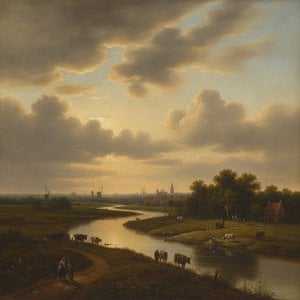
Discover the breathtaking beauty of Dutch Golden Age landscapes. Explore the mastery of light, chiaroscuro, and 17th-century realism through an expert art history lens, celebrating the enduring legacy of the Dutch Masters for discerning collectors and art lovers.

深入探索荷兰黄金时代的绘画艺术:伦勃朗、维米尔等大师的技法与创新,了解巴洛克风格的独特演绎。WahooArt提供手绘油画复制、艺术咨询及收藏建议,助您领略经典艺术之美。

探索荷兰黄金时代的艺术巅峰! 伦勃朗、维米尔等大师名作,带您领略巴洛克艺术的辉煌。高清画作、博物馆级品质,点亮您的家居空间。WahooArt.com 提供精选艺术复制品和定制装饰方案。立即在线探索全系列!
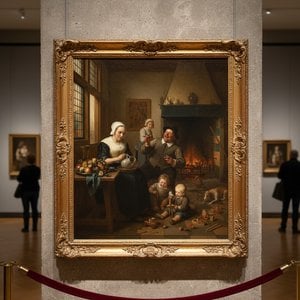
探索十七世纪荷兰风俗画的社会镜像与艺术价值。WahooArt 提供高品质手工油画复制、定制肖像及专业艺术咨询,重现黄金时代的精髓。 值得信赖的艺术品专家,为您打造专属艺术空间。


 实景预览
实景预览
 发送
发送 分享
分享
 详情
详情 指南
指南

 下载图片
下载图片
 相似作品
相似作品 X射线
X射线 幻灯片播放
幻灯片播放 统计数据
统计数据

 阅读全文
阅读全文









 玻璃选项仅适用于110厘米以下的尺寸。


