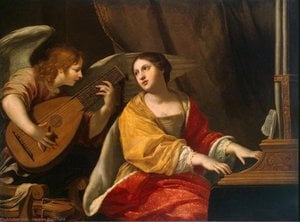
Acrylic On CanvasWallArtBaroque
 1659
1659 62.0 x 54.0 cm
 大都会艺术博物馆
购买高分辨率增强版数字图像,其品质远超在线预览。
每一份文件都由我们的内部专家使用先进工具与专业的后期润色技术精心打造。我们确保每一张图像都具备卓越的清晰度、精准的色彩还原度以及细腻的细节表现。
最终文件将在 72 小时内通过电子邮件交付,并针对专业、编辑及印刷用途进行了优化。其品质与顶级设计工作室、出版社和画廊所信赖的标准完全一致。
选择 WahooArt.com,您获得的不仅仅是一张图像——您收到的是经过专业级增强、精雕细琢的数字艺术作品,并享有满意保证。以下是您的订单中自动包含的所有内容:

您的高分辨率数字图像文件将在下单后 72 小时内通过电子邮件发送给您 —— 即可立即使用。

您的艺术品经过专业优化,结合先进的 AI 技术与人工修饰,确保呈现极致的细节、清晰度与色彩准确度。

不小心删除了文件或找不到了?没关系——我们将随时为您免费重发。

即刻拥有您的艺术作品,无需支付任何关税、税费或运费——数字下载始终免税。

我们通过专业工具与色彩管理技术,确保您的数字图像尽可能真实地还原原作色彩。

如果您对所购数字图像不满意,我们将在100天内为您进行修改或提供100%的全额退款——无需任何理由。

不满意?在收到数字文件后的100天内,您可以申请全额退款——无需任何理由。

购买 3 张图片可享 10% 折扣 - 购买 5 张可享 15% 折扣 - 购买 10+ 张可享 20% 折扣。非常适合创意项目、画廊和机构使用。
Gabriel Metsu's "A Musical Party," painted in 1659, isn’t merely a depiction of a social gathering; it’s a meticulously crafted window into the vibrant and complex world of 17th-century Holland. This captivating Baroque scene, now housed within the Metropolitan Museum of Art, offers a rare glimpse into the leisure activities and social dynamics of the Dutch Golden Age – a period renowned for its artistic flourishing and burgeoning mercantile power. Metsu’s genius lies not in grand historical narratives or dramatic portraits, but rather in his ability to capture fleeting moments of everyday life with remarkable detail and psychological insight.
The painting immediately draws the eye with its rich color palette—deep reds, blues, and golds dominate, creating a sense of warmth and opulence. Metsu’s masterful use of light is particularly noteworthy; it illuminates key figures within the room while subtly receding into the shadows, drawing the viewer's attention to the central interactions. The composition itself is dynamic, with figures clustered around tables, chairs, and a musical instrument – a violin being played by one of the participants. This arrangement suggests an atmosphere of lively conversation and shared enjoyment, a carefully orchestrated tableau of social interaction.
“A Musical Party” is more than just a pretty picture; it’s a detailed study of Dutch customs and etiquette. The figures are dressed in a variety of styles, hinting at different social strata and occasions. Note the elaborate attire of the woman playing the violin – her gown is richly embroidered, suggesting wealth and status. The presence of a dining table with a bowl on it indicates a meal or refreshment being served, while the scattered musical scores suggest that music was an integral part of their entertainment. The inclusion of a foot warmer—a common luxury item at the time—symbolizes indulgence and comfort, reflecting the prosperity enjoyed by many in Dutch society.
The painting’s symbolism is layered and intriguing. The violin itself represents harmony and pleasure, while the gathering as a whole embodies the spirit of conviviality and social connection. Metsu subtly incorporates emblems – visual symbols with specific meanings – into the scene, adding another layer of interpretation. For example, the placement of objects like the foot warmer can be read as alluding to themes of temptation and desire, reflecting the complexities of human relationships.
Gabriel Metsu remains a somewhat enigmatic figure in art history. Unlike many of his contemporaries who specialized in particular genres, Metsu's oeuvre spanned a wide range of subjects – history paintings, still lifes, portraits, and genre scenes—and he never adhered to a consistent style. This “eclectic” approach is evident in "A Musical Party," which blends elements of portraiture, genre painting, and even a touch of theatricality. His work reflects the spirit of the Dutch Golden Age, characterized by innovation, experimentation, and a fascination with everyday life.
Born in Leiden in 1629, Metsu’s early training likely involved exposure to diverse artistic techniques, perhaps influenced by his family's background as tapestry workers and painters. He spent much of his career in Amsterdam, where he developed his distinctive style—characterized by meticulous detail, subtle lighting effects, and a keen eye for capturing human psychology. His relatively short life – he died at the age of 38 – adds to the mystery surrounding this talented artist.
WahooArt offers high-quality hand-painted reproductions of Gabriel Metsu’s "A Musical Party," allowing you to bring this captivating masterpiece into your home or office. Our skilled artists meticulously recreate Metsu's intricate details and vibrant colors, ensuring that your reproduction captures the essence of the original painting. Whether you are an art enthusiast, a collector, or simply seeking a stunning piece of décor, our reproductions provide a beautiful and authentic representation of this iconic work of Dutch Golden Age art.


1629 - 1667 , 荷兰


 效果预览
效果预览
 切换至版画销售渠道
 分享
分享 分享
分享
 详情
详情

 下载
下载
 相似作品
相似作品 X射线
X射线 幻灯片播放
幻灯片播放 统计数据
统计数据 展开详情
展开详情