
x


 美松纤维板Mexican Folk Modernism
 1951
1951 23.0 x 31.0 cm
 洛杉矶盖蒂博物馆




























从与原作比例一致的预设尺寸中进行选择。

您可以输入自定义尺寸,以适配特定的画框或空间。如果所选尺寸与原图比例不符,我们将通过裁剪作品或添加手绘元素来扩展画面。数字样稿将在制作开始前发送给您确认。
请注意,屏幕预览无法准确反映实际的裁剪或扩展效果,只有样稿才能真实呈现最终的构图。
虽然我们提供定制尺寸服务,但为了保留原作比例,建议您从预设列表中选择尺寸。

Weeping Coconuts or Coconut Tears
复制品尺寸
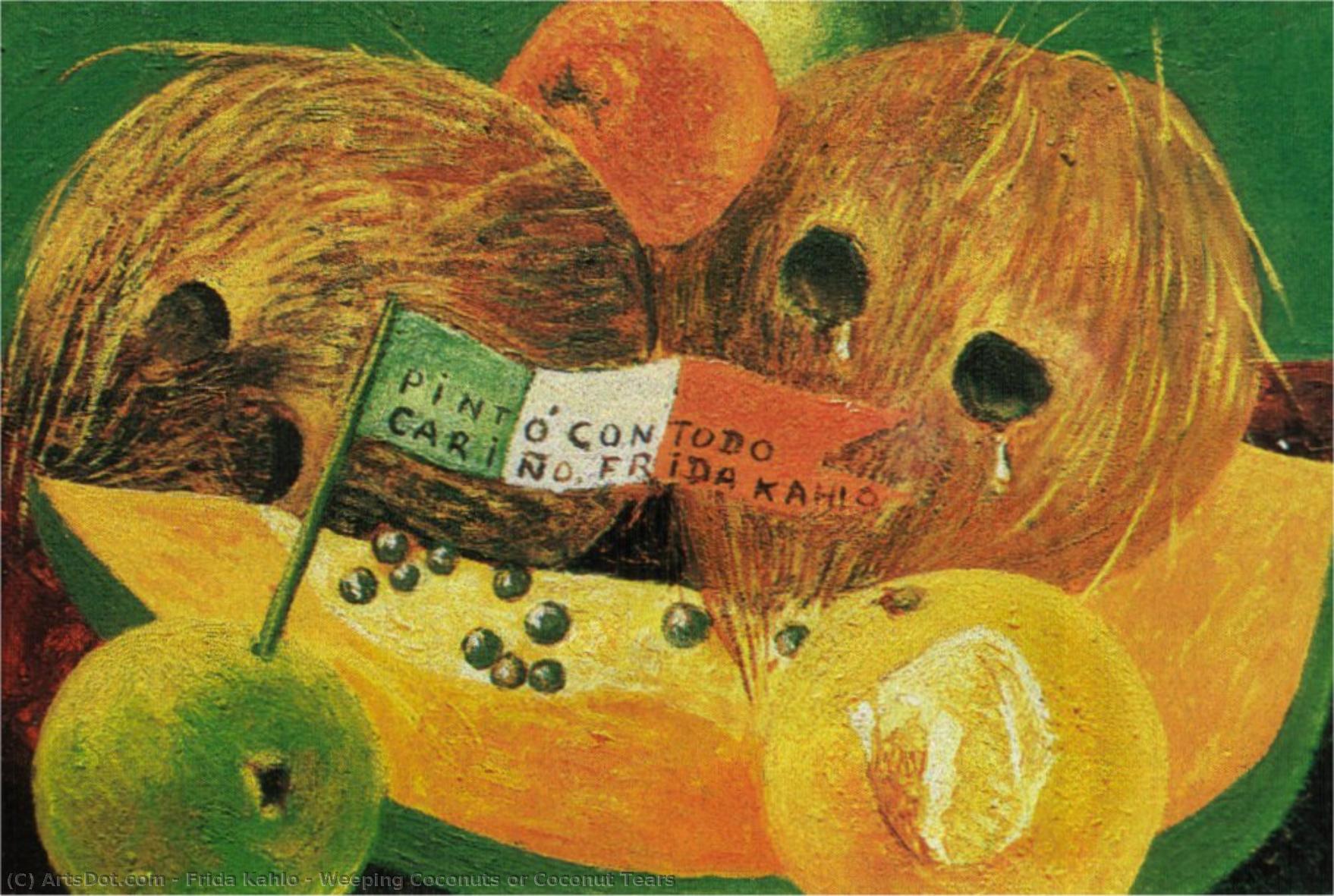
Frida Kahlo's "Weeping Coconuts or Coconut Tears," painted in 1951, is not merely a still life; it’s a raw, intensely personal exploration of grief, resilience, and the duality of Mexican identity. Created during a period marked by increasing physical pain and emotional turmoil – following her devastating bus accident – the painting offers a glimpse into Kahlo's uniquely introspective world. Measuring a modest 23 x 31 cm on masonite, this work immediately draws the eye with its vibrant palette and seemingly chaotic arrangement of fruits, yet beneath the surface lies a carefully constructed narrative brimming with symbolic weight.
At first glance, the composition appears joyful – an exuberant display of apples, oranges, and coconuts. These aren’t simply decorative elements; they are imbued with potent symbolism deeply rooted in Mexican culture. The apples, traditionally associated with fertility and new beginnings, sit prominently in the lower left corner, perhaps representing a yearning for restoration or a desire to overcome past hardships. Oranges, symbols of warmth, vitality, and prosperity, are scattered throughout the scene, suggesting an attempt to cultivate happiness amidst suffering. However, it’s the coconuts that hold the painting's most poignant message. Their drooping posture, almost as if weeping, directly references the title and speaks volumes about Kahlo’s internal state – a quiet sorrow layered beneath a vibrant exterior.
Kahlo's style in "Weeping Coconuts" is a fascinating blend of traditional Mexican folk art with the burgeoning modernist movement. The use of bold, flat colors and simplified forms echoes the vibrant imagery found in indigenous textiles and murals. Yet, unlike purely decorative works, Kahlo’s approach is deeply personal and emotionally charged. There's a deliberate primitivism at play – an emphasis on direct representation and symbolic resonance rather than meticulous detail. This simplification allows the viewer to connect with the painting on a visceral level, bypassing intellectual analysis and tapping into raw emotion. The masonite support itself contributes to this effect, lending a textured, almost tactile quality to the work.
"Weeping Coconuts" was created during a time of significant personal upheaval for Kahlo. Following her accident in 1925, she endured numerous surgeries and chronic pain, profoundly impacting her life and art. The painting reflects this ongoing struggle with physical limitations and emotional vulnerability. It’s important to note that the work is housed at the Los Angeles County Museum of Art (LACMA), a testament to its enduring significance within the broader context of Kahlo's oeuvre and the global appreciation for her unique artistic vision. Her exploration of identity, pain, and resilience continues to resonate deeply with audiences today, making "Weeping Coconuts" not just a beautiful painting but a powerful window into the soul of one of the 20th century’s most compelling artists.
WahooArt offers meticulously crafted hand-painted reproductions of “Weeping Coconuts or Coconut Tears,” allowing you to experience the raw emotion and vibrant beauty of this iconic work in stunning detail. Each reproduction is created by skilled artists using archival quality materials, ensuring a faithful representation of Kahlo’s original vision for generations to come.
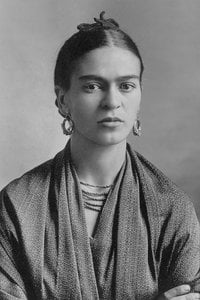
1907 - 1954 , 墨西哥

Embark on a profound journey through Frida Kahlo's most iconic masterpieces. Discover the deep symbolism, Mexican heritage, and resilient spirit behind her legendary works in this expert art-historical exploration designed for true art enthusiasts.

Embark on a visual journey through the soul of Mexican art. Explore the profound legacy of muralism, folk traditions, and revolutionary masters like Rivera and Orozco in this deep cultural exploration of color, symbolism, and identity.

Explore the profound impact of Mexican Muralism, a visual revolution born from social struggle. Delve into the monumental works of Rivera, Orozco, and Siqueiros, uncovering how these powerful frescoes redefined identity and ignited a lasting legacy of resistance in art history.


第一时间获取最新的艺术新闻、独家优惠及装饰灵感。
向我们介绍您的项目需求,我们的艺术专家将为您提供 3 个个性化的艺术品推荐。
由我们的专家为您精选 3 款心仪之作 —— 完全免费!

 效果预览
效果预览
 购买印刷品
购买印刷品 分享
分享 分享
分享
 详情
详情

 下载
下载
 相似作品
相似作品 X射线
X射线 幻灯片播放
幻灯片播放 展开详情
展开详情









 玻璃选项仅适用于110厘米以下的尺寸。


