
由我们的艺术家按需定制,为您提供您所选尺寸及画框的布面手工油画。 ( 切换至版画销售渠道 切换至数字图像销售渠道)





























从与原作比例一致的预设尺寸中进行选择。

您可以输入自定义尺寸,以适配特定的画框或空间。如果所选尺寸与原图比例不符,我们将通过裁剪作品或添加手绘元素来扩展画面。数字样稿将在制作开始前发送给您确认。
请注意,屏幕预览无法准确反映实际的裁剪或扩展效果,只有样稿才能真实呈现最终的构图。
虽然我们提供定制尺寸服务,但为了保留原作比例,建议您从预设列表中选择尺寸。

untitled (5080)
复制品尺寸
Frida Kahlo’s oeuvre is a landscape of profound personal reckoning, rendered in vibrant color and unsettling imagery. "Untitled (5080)," a painting shrouded in mystery regarding its precise date and size, offers a compelling entry point into this intensely private world. It's not merely a portrait; it’s a carefully constructed tableau vivant—a snapshot of a moment suspended between reality and dream, populated by figures caught in an intricate dance of observation and interaction. The scene unfolds within a vaguely defined cityscape, hinting at the bustling urban life that often served as a backdrop for Kahlo’s intensely introspective work. The painting immediately draws the eye to its central figure – a woman radiating a quiet strength amidst the surrounding chaos. Her posture is dignified, her gaze direct, and she holds a cup with an air of both contemplation and perhaps, a touch of melancholy.

Kahlo’s genius lies in her ability to imbue seemingly mundane objects with layers of symbolic meaning. The clock, a recurring motif in her work, often represents the passage of time, mortality, and the artist's own struggle against illness and pain. The vase and bowl, alongside the spoon and bottle, aren’t simply decorative elements; they evoke themes of nourishment, sustenance, and perhaps even the fragility of life itself. The presence of other figures – some standing alone, others engaged in conversation – suggests a community, yet one marked by isolation and unspoken anxieties. These individuals are not merely background characters; they contribute to the painting's overall atmosphere of quiet observation and subtle tension.
The church within the cityscape adds another layer of complexity. It can be interpreted as representing faith, tradition, or perhaps a yearning for stability amidst the turbulent currents of Kahlo’s life. The juxtaposition of the sacred and the secular underscores the artist's exploration of identity—her struggle to reconcile her Mexican heritage with her personal experiences.
While often categorized as surrealist, Kahlo’s work transcends simple labels. She wasn’t interested in replicating dreams; rather, she used the language of dream imagery to explore the raw realities of her own existence. The painting's style is characterized by a meticulous attention to detail—from the textures of the clothing to the subtle expressions on the faces of the figures. Kahlo employed a technique reminiscent of Mexican folk art, utilizing bold colors and simplified forms to create a visually arresting effect. Her use of oil paint on masonite (a durable material she favored) lends a slightly rough texture to the surface, mirroring the emotional rawness of her subject matter.
The painting’s composition is deliberately unbalanced, creating a sense of unease and disorientation. This reflects Kahlo's own experience of navigating a world that often felt chaotic and unpredictable. The lack of a clear focal point forces the viewer to actively engage with the scene, prompting questions about the relationships between the figures and their individual stories.
“Untitled (5080)” is more than just a beautiful painting; it's a poignant testament to Frida Kahlo’s extraordinary life and artistic vision. Her unflinching honesty, her willingness to confront difficult emotions, and her unique perspective on the human condition continue to resonate with audiences today. Reproductions of this work offer an intimate glimpse into the mind of one of the 20th century's most iconic artists—a reminder that art can be both a mirror reflecting our own struggles and a window into the souls of those who dared to explore them.

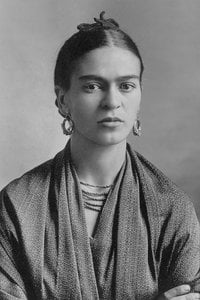
1907 - 1954 , 墨西哥

Embark on a profound journey through Frida Kahlo's most iconic masterpieces. Discover the deep symbolism, Mexican heritage, and resilient spirit behind her legendary works in this expert art-historical exploration designed for true art enthusiasts.


 效果预览
效果预览
 分享
分享 分享
分享
 详情
详情 指南
指南

 下载
下载
 相似作品
相似作品 X射线
X射线 幻灯片播放
幻灯片播放 统计数据
统计数据
 展开详情
展开详情









 玻璃选项仅适用于110厘米以下的尺寸。


![Legend Of St Francis - [10] - Exorcism Of The Demons At Arezzo — 乔托, Proto Renaissance](/media/artworks/images-thumb/32/fe/32feac3fd8001d937862a24f531e4253.jpg)


