
x































从与原作比例一致的预设尺寸中进行选择。

您可以输入自定义尺寸,以适配特定的画框或空间。如果您选择的尺寸与原图比例不符,我们将对作品进行裁剪,或通过镜像填充/纯色填充边缘的方式来扩展图像。在开始制作之前,我们会向您发送一份数字效果图供您确认。
请注意,屏幕上的预览并不能反映实际的裁剪或扩展效果。只有效果图才能准确展示最终的构图。
虽然我们提供定制尺寸,但为了保持原图比例,我们建议您从预设列表中选择尺寸。

Self-Portrait with Bonito
复制品尺寸
Frida Kahlo's 'Self-Portrait with Bonito,' painted in 1941, is far more than a simple depiction of the artist; it’s a deeply personal and profoundly symbolic exploration of identity, pain, and the enduring spirit within. This iconic work, rendered in oil on canvas, immediately captivates with its vibrant colors and arresting imagery – a testament to Kahlo's unique ability to transform her own experiences into universally resonant art. The painting showcases a striking self-portrait where Frida is presented in a rich black dress, a bold choice that contrasts sharply with the lush green background and the bright plumage of the parrot perched upon her shoulder.
Kahlo’s style during this period firmly resides within the realm of Surrealism, though she often resisted being strictly categorized. She blended elements of Mexican folk art – evident in the detailed rendering of her clothing and the naturalistic portrayal of the plants – with a distinctly modernist approach to composition and color. The loose brushstrokes and expressive use of light contribute to an atmosphere that is both dreamlike and intensely immediate, inviting viewers into the artist’s inner world.
At first glance, ‘Self-Portrait with Bonito’ might appear a straightforward self-representation. However, a closer examination reveals a complex tapestry of symbolism woven throughout the composition. The most prominent element, the parrot – affectionately nicknamed “Bonito” by Kahlo – is arguably the painting's central symbol. Parrots are known for their intelligence and mimicry, but in this context, Bonito likely represents companionship, perhaps even a reflection of Frida’s own vibrant personality and her ability to find joy amidst hardship. The bird’s presence offers a subtle counterpoint to the often-painful realities depicted within Kahlo's oeuvre.
Beyond Bonito, the surrounding flora – specifically the dense, verdant plants – are rich with meaning. They evoke themes of fertility and abundance, reflecting not only Frida’s Mexican heritage but also her own struggles with physical suffering and the desire for motherhood. The inclusion of butterflies further amplifies this symbolism, representing transformation, rebirth, and the ephemeral nature of life itself. The deliberate placement of these elements creates a carefully constructed visual dialogue that speaks to Kahlo's deeply felt connection to both her personal history and the natural world.
Painted during a period marked by significant physical and emotional turmoil – including a devastating bus accident in 1925 – ‘Self-Portrait with Bonito’ offers a poignant glimpse into Frida Kahlo's inner landscape. The painting is not merely a visual record of her appearance; it’s an articulation of her experience, a way to grapple with pain, and ultimately, to assert her own identity. Kahlo frequently used self-portraits as a means of confronting her vulnerabilities and transforming personal suffering into powerful artistic expression.
Considering Kahlo's broader body of work – pieces like ‘The Two Nudes in the Forest’ and ‘Self Portrait as a Tehuana’ – 'Self-Portrait with Bonito' can be understood within a larger narrative of resilience, self-acceptance, and the celebration of Mexican culture. It stands as a testament to Kahlo’s enduring legacy as one of the most innovative and emotionally resonant artists of the 20th century. Reproductions of this captivating work offer a remarkable opportunity to connect with her profound vision.
To truly appreciate ‘Self-Portrait with Bonito’ in its full context, consider visiting the Frida Kahlo Museum in Mexico City – known as Casa Azul. This iconic home and studio provides an intimate look at Kahlo’s life and work, allowing visitors to immerse themselves in her world. Alternatively, exploring resources like the Frida Kahlo Foundation (https://www.fridakahlo.org/) offers invaluable insights into her artistic process and symbolism.

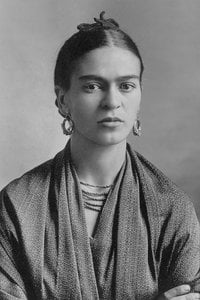
1907 - 1954 , 墨西哥

Embark on a profound journey through Frida Kahlo's most iconic masterpieces. Discover the deep symbolism, Mexican heritage, and resilient spirit behind her legendary works in this expert art-historical exploration designed for true art enthusiasts.

Embark on a visual journey through the soul of Mexican art. Explore the profound legacy of muralism, folk traditions, and revolutionary masters like Rivera and Orozco in this deep cultural exploration of color, symbolism, and identity.

Explore the profound impact of Mexican Muralism, a visual revolution born from social struggle. Delve into the monumental works of Rivera, Orozco, and Siqueiros, uncovering how these powerful frescoes redefined identity and ignited a lasting legacy of resistance in art history.


第一时间获取最新的艺术新闻、独家优惠及装饰灵感。
向我们介绍您的项目需求,我们的艺术专家将为您提供 3 个个性化的艺术品推荐。
由我们的专家为您精选 3 款心仪之作 —— 完全免费!


 效果预览
效果预览
 购买手绘画作
 分享
分享 分享
分享
 详情
详情

 下载
下载
 相似作品
相似作品 X射线
X射线 幻灯片播放
幻灯片播放

 展开详情
展开详情









 玻璃选项仅适用于110厘米以下的尺寸。


