
由我们的艺术家按需定制,为您提供您所选尺寸及画框的布面手工油画。 ( 切换至版画销售渠道 切换至数字图像销售渠道)





























从与原作比例一致的预设尺寸中进行选择。

您可以输入自定义尺寸,以适配特定的画框或空间。如果所选尺寸与原图比例不符,我们将通过裁剪作品或添加手绘元素来扩展画面。数字样稿将在制作开始前发送给您确认。
请注意,屏幕预览无法准确反映实际的裁剪或扩展效果,只有样稿才能真实呈现最终的构图。
虽然我们提供定制尺寸服务,但为了保留原作比例,建议您从预设列表中选择尺寸。

Self-Portrait,
复制品尺寸
Frida Kahlo's "Self-Portrait with Thorn Necklace and Hummingbird," painted in 1940, is far more than a simple depiction of the artist; it’s a raw, intensely personal exploration of pain, identity, and defiance. Created during a tumultuous period marked by her divorce from Diego Rivera and grappling with ongoing physical suffering following a devastating bus accident, this iconic work transcends mere self-representation to become a powerful symbol of resilience and a reclamation of agency within the face of adversity.
The painting immediately draws the eye with its striking contrasts. Kahlo’s gaze is direct, piercing even, holding both vulnerability and an undeniable strength. She wears a traditional Tehuana dress – a garment signifying female power and independence from the indigenous Tehuantepec region of Mexico – yet her face is adorned with a thorny necklace, a deliberate symbol of pain and suffering. The thorns themselves are not merely decorative; they represent the sharp edges of her emotional wounds, the constant reminders of her physical limitations and the heartbreak of her relationships.
However, amidst this darkness, there’s an undeniable vibrancy. A hummingbird hovers delicately near her neck, a creature often associated with love, joy, and immortality in Mexican folklore. This small detail introduces a note of hope and beauty into the composition, suggesting that even within profound sorrow, life – and perhaps even love – can still flourish. The monkey perched on her shoulder adds another layer of complexity, possibly representing mischief or a playful counterpoint to the seriousness of the situation.
While often categorized as surrealist, Kahlo’s work resists easy categorization. “Self-Portrait with Thorn Necklace and Hummingbird” blends elements of realism – particularly in her meticulous depiction of her features and clothing – with symbolic imagery that leans heavily into the realm of dreamlike fantasy. The inclusion of animals, fantastical objects (the necklace), and a fragmented background all contribute to this surreal atmosphere.
Crucially, the painting is deeply rooted in Mexican culture. Kahlo’s adoption of the Tehuana dress wasn't simply an aesthetic choice; it was a deliberate assertion of her heritage and a rejection of European standards of beauty. The vibrant colors, intricate patterns, and symbolic motifs – all hallmarks of Mexican folk art – ground the work within its cultural context. This fusion of personal experience with national identity is a defining characteristic of Kahlo’s oeuvre.
Painted on masonite—a relatively inexpensive material that allowed her to work quickly and efficiently—the painting showcases Kahlo's distinctive technique. Visible brushstrokes, layered paint application, and a deliberate lack of blending create a textured surface that mirrors the roughness of her emotional state. The use of oil paints allows for rich colors and deep shadows, further emphasizing the dramatic contrasts within the composition.
Notably, Kahlo’s physical limitations influenced her artistic process. Due to her injuries, she often had to paint while lying down, which may have contributed to the painting's somewhat flattened perspective and simplified forms. Despite these constraints, she produced a remarkably powerful and emotionally resonant work, demonstrating an extraordinary level of self-awareness and artistic control.
Beyond its visual elements, “Self-Portrait with Thorn Necklace and Hummingbird” is laden with symbolism. The thorn necklace represents the pain of her divorce, her physical suffering, and the emotional wounds she carried throughout her life. The hummingbird, as a symbol of hope and renewal, offers a glimmer of optimism amidst the darkness. The monkey could represent mischief or a playful counterpoint to the seriousness of the situation.
Ultimately, this painting is a testament to Kahlo’s ability to transform personal tragedy into art. It's not merely a portrait; it’s an unflinching exploration of identity, resilience, and the enduring power of the human spirit. It continues to resonate with viewers today because it speaks to universal themes of pain, loss, and the search for meaning in a world filled with both beauty and suffering.

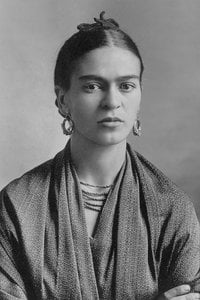
1907 - 1954 , 墨西哥

Elevate your collection with the tactile elegance of hand-painted oil masterpieces. From bespoke reproductions to custom portraits from photography, discover museum-quality artistry crafted by academy-trained experts for discerning collectors and designers worldwide.

Discover the profound allure of oil on canvas. Explore the mastery of impasto textures, the science of pigment longevity, and expert guides to selecting museum-quality reproductions that elevate your collection with timeless elegance and tactile depth.

Embark on a profound journey through Frida Kahlo's most iconic masterpieces. Discover the deep symbolism, Mexican heritage, and resilient spirit behind her legendary works in this expert art-historical exploration designed for true art enthusiasts.


 效果预览
效果预览
 分享
分享 分享
分享
 详情
详情

 下载
下载
 相似作品
相似作品 X射线
X射线 幻灯片播放
幻灯片播放 统计数据
统计数据

 展开详情
展开详情









 玻璃选项仅适用于110厘米以下的尺寸。


