免费艺术咨询

x
定制手绘复刻品 定制手绘复刻品购买高清图片 购买高清图片 分享分享
详情详情 加入收藏 加入收藏 下载下载 相似作品相似作品 X射线检测X射线检测 幻灯片播放幻灯片播放

Coconuts

Explore Frida Kahlo's 'Weeping Coconuts,' a vibrant 1951 painting brimming with symbolic fruit and a poignant flag.

探索弗里达·卡罗的标志性艺术(1907-1954):自画像、超现实主义和墨西哥传统。 发现身份认同、痛苦、韧性和她作为女权主义偶像的遗产。

艺术微喷/版画

博物馆级艺术微喷或帆布版画,制作高效,并提供多种饰面选择。

P118B $10
P118H $10
P118W $10
P438Z $10
P508JH $12
P508YH $12
P805H $10
P805Z $10
P919BZ $10
P919G $10
P919XJ $10
P959ZH $10
P968JZ $12
W106C $8
W218G $10
W218JH $8
W218Y $10
W307PJ $10
W316G $10
W316PJ $8
W316Y $10
W398PJ $8
W4111J $10
W500HY $15
W500JH $15
W692G $12
W849H $8
W940BG $15
W953PJ $8

Standard
custom
CM
INCH

从与原作比例一致的预设尺寸中进行选择。

宽度
高度

您可以输入自定义尺寸,以适配特定的画框或空间。如果您选择的尺寸与原图比例不符,我们将对作品进行裁剪,或通过镜像填充/纯色填充边缘的方式来扩展图像。在开始制作之前,我们会向您发送一份数字效果图供您确认。
请注意,屏幕上的预览并不能反映实际的裁剪或扩展效果。只有效果图才能准确展示最终的构图。
虽然我们提供定制尺寸,但为了保持原图比例,我们建议您从预设列表中选择尺寸。

全球配送(),仅需 2 周即可送达,无需等待标准流程的 4/5 周。(2 July)

why_choose_icon
全球免费特快专递服务
why_choose_icon
优质亚麻画布
why_choose_icon
全程运输保险
why_choose_icon
关税退款保证
why_choose_icon
色彩还原度保证
why_choose_icon
60天退货政策(仅限制造缺陷)
why_choose_icon
100%退款保证
why_choose_icon
多件购买优惠

总计金额

-

reproduction

Coconuts

艺术微喷/版画

复制品尺寸

-

最终总价

-

作品概览

  • Year: 1951
  • Medium: Oil on Canvas
  • Subject or theme: Fruit; Whimsy
  • Notable elements or techniques: Detailed depiction; Vibrant colors
  • Artistic style: Symbolic imagery
  • Location: Private Collection
  • Artist: Frida Kahlo

藏品详情

A Surreal Bloom of Emotion: Frida Kahlo’s “Coconuts”

Frida Kahlo (1907-1954) was a Mexican painter whose oeuvre transcends mere representation; it embodies the raw essence of experience, grappling with themes of identity, pain, and resilience—themes that resonate powerfully across generations. Her artistic journey began amidst considerable hardship – polio at six years old left her with a permanent limp, shaping her understanding of vulnerability and informing her visual language. This formative encounter instilled in her an unwavering determination to transform personal suffering into profound artistic expression.
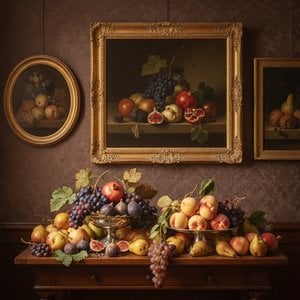
  • Subject Matter: Kahlo’s “Coconuts,” painted in 1951, presents a deceptively simple yet richly layered tableau. At its core is a bowl brimming with sliced watermelon—a vibrant splash of color against the muted tones of the canvas. Dominating the composition is a cat nestled comfortably within the fruit, seemingly absorbed in its succulent flesh. Two oranges punctuate the upper right corner, adding visual interest and subtly hinting at notions of abundance and optimism.
  • Style: The painting firmly establishes itself within Kahlo’s signature Surrealist style. While rooted in Mexican folk art traditions—evident in her meticulous attention to detail and vibrant palette—it diverges from realistic depiction, prioritizing emotional resonance over photographic accuracy. This stylistic choice underscores Kahlo's desire to explore the subconscious mind and convey feelings beyond conventional language.
  • Technique: Executed with oil paints on canvas, “Coconuts” showcases Kahlo’s masterful control of brushstrokes and color layering. Her technique is characterized by a deliberate blending of hues—particularly reds and yellows—creating an illusion of depth and luminosity that captures the tactile qualities of the fruit and its surroundings. The artist's meticulous application of paint contributes to the artwork’s textural richness, inviting viewers to contemplate the surface as much as the subject matter itself.
  • Historical Context: Created during Kahlo’s later years—a period marked by increasing physical pain and emotional introspection— “Coconuts” reflects her preoccupation with confronting trauma and reclaiming agency. The painting emerged from a broader artistic movement that questioned accepted norms and embraced dreamlike imagery as a means of accessing inner realities. Kahlo's work stands alongside other Surrealist explorations of the human psyche, cementing her place as one of the most influential artists of the 20th century.
  • Symbolism: Beyond its visual appeal, “Coconuts” is laden with symbolic significance. The watermelon represents fertility and nourishment—themes central to Kahlo’s personal life experiences and artistic concerns. Similarly, the cat embodies domestic tranquility and companionship, juxtaposed against the backdrop of physical discomfort. The oranges symbolize hope and vitality, offering a counterpoint to the melancholic undertones of the piece. Collectively, these elements invite contemplation on themes of resilience, transformation, and the enduring power of imagination.
Hand-painted reproductions offer an unparalleled opportunity to experience Kahlo’s artistic vision in exquisite detail—a testament to her legacy as a pioneer of Surrealism and a beacon of emotional honesty.

相似艺术品


艺术家简介

芙里达·卡洛:痛苦与激情编织的生命画卷

芙里达·卡洛,一个名字响彻全球的艺术符号。她不仅仅是一位画家,更是一位用生命书写的传奇,一位以痛苦和激情为笔墨,在画布上描绘自我、文化与命运的女性艺术家。1907年7月6日,芙里达·卡洛出生于墨西哥城科约阿坎的一个蓝色小屋——La Casa Azul,这个小屋后来成为了她的家,也成为了她艺术创作的灵感源泉。她的童年并非一帆风顺,六岁时罹患脊髓灰质炎,留下了终生的残疾和痛苦。然而,正是这些身体上的折磨,促使她转向绘画,将内心的挣扎与渴望倾注于画布之上。父亲吉列尔莫·卡洛是一位德国裔的摄影师,他鼓励芙里达发展自己的兴趣爱好,为她提供了画笔和颜料,这成为了她生命中重要的支持。母亲玛蒂尔德·卡尔德隆·伊·冈萨雷斯则是一位虔诚的天主教徒,拥有混血的印第安血统,芙里达深受墨西哥传统文化的影响。

一场改变命运的车祸与艺术的诞生

1925年,十八岁的芙里达遭遇了一场可怕的交通事故,这彻底改变了她的人生轨迹。公交车与电车相撞,芙里达的身体遭受了难以想象的重创——脊椎骨折、骨盆断裂、腿部多处骨折……漫长的康复过程让她长期卧床不起,痛苦和孤独成为了她生活的主旋律。为了排遣内心的苦闷,芙里达开始尝试绘画。母亲为她定制了一张特制的画架,让她可以在床上进行创作。就这样,在病痛的折磨中,芙里达开始了她的艺术生涯。最初的自画像,并非简单的肖像描绘,而是对自身痛苦、脆弱与坚韧的深刻反思。她用画笔记录着自己的身体,记录着自己的情感,将内心的挣扎转化为视觉语言。这些早期的作品,虽然技法尚不成熟,却充满了真挚的情感和独特的风格。

与迭戈·里维拉:爱、艺术与冲突

芙里达的艺术之路与另一位伟大的墨西哥艺术家——迭戈·里维拉紧密相连。1928年,她鼓起勇气向里维拉展示了自己的作品,得到了他的肯定和鼓励。两人迅速坠入爱河,并在1929年结为夫妻。他们的婚姻充满了激情、艺术灵感与不断的冲突。里维拉是一位著名的壁画家,他将墨西哥的文化和革命精神融入到自己的创作中。芙里达深受里维拉的影响,她的作品也开始展现出浓厚的墨西哥特色——鲜艳的色彩、朴实的造型以及对传统文化的致敬。然而,他们的婚姻也充满了背叛与痛苦。里维拉的花心和不忠让芙里达备受折磨,她将这些情感上的创伤融入到自己的画作中,创作出了许多充满象征意义的作品。《双重肖像》(Las Dos Fridas)便是其中最具代表性的作品之一,画面中展现了芙里达分裂的自我——一个来自欧洲血统的芙里达,和一个来自墨西哥印第安文化的芙里达。

痛苦、象征与女性力量

芙里达·卡洛的作品充满了象征意义和隐喻。她经常使用动物、植物和人体等元素来表达自己的情感和思想。例如,猴子在她的画作中常常出现,既代表着欲望,也象征着保护和关爱;蝴蝶则寓意着自由和希望;而荆棘和受伤的身体则象征着痛苦和挣扎。芙里达的作品不仅仅是对自身经历的记录,更是对女性命运的深刻思考。她勇敢地展现了女性在社会中的困境、身体上的痛苦以及情感上的脆弱。她的作品挑战了传统的性别观念,表达了女性的力量和独立自主的精神。 破碎的柱子(La Columna Rota)是芙里达最具代表性的作品之一,画面中,一个身穿紧身长裙的芙里达站在一根断裂的离子柱前,她的身体被铁丝束缚着,象征着她所承受的巨大痛苦和身体上的残疾。

永恒的艺术遗产

尽管芙里达·卡洛在世时并未得到广泛的认可,但她在去世后却成为了20世纪最具影响力的艺术家之一。她的作品超越了国界和文化差异,触动了无数人的心灵。她以其独特的风格、深刻的思想以及对痛苦与坚韧的真挚表达,赢得了全球范围内的赞誉。如今,芙里达·卡洛已经不仅仅是一位画家,更是一种象征——象征着女性的力量、墨西哥的文化以及对生命的无限热爱。她的蓝色小屋成为了博物馆,吸引着来自世界各地的游客前来参观,感受这位伟大艺术家的精神和魅力。芙里达·卡洛的作品将继续激励着人们勇敢地面对生活中的挑战,用艺术表达自我,创造属于自己的生命画卷。
弗里达·卡罗

弗里达·卡罗

1907 - 1954 , 墨西哥

艺术家简介

  • 全名: 玛格达莱娜·卡门·弗里达·卡洛·伊·卡尔德隆
  • 出生地点: 墨西哥城科约阿坎
  • 出生日期: 1907年7月6日
  • 受影响的艺术家或运动:
    • 奇卡诺艺术
    • 女性主义艺术家
  • 国籍: 墨西哥人
  • 影响艺术家:
    • 迭戈·里维拉
    • 墨西哥民间艺术家
  • 艺术风格: 超现实主义,民间艺术
  • 著名作品: ['《二弗里达》、《带荆棘项链的自画像》、《破碎的柱子》、《亨利·福特医院》']
探索按主题、风格和特征分类的艺术作品。