
博物馆级艺术微喷或帆布版画,制作高效,并提供多种饰面选择。 ( 订购此收藏品的纯手工复刻画作 切换至数字图像销售渠道)





























您可以从与原作比例一致的预设尺寸中进行选择。

请输入您所需的宽度和高度,以适配您的画框或墙面。由于印刷品只能进行裁剪,无法超出原图尺寸,因此若比例不一致,画面的一部分将会被裁切。在正式印刷之前,我们会为您发送一份数字效果图供您确认。本页面显示的图片并非最终裁剪后的效果——只有效果图才能展示真实的裁剪情况。
Camel's Hump
复刻品尺寸说明
“Camel’s Hump,” painted in 1912 by Frederick McCubbin, is more than just a depiction of a mountain; it's a profound meditation on the evolving relationship between humanity and the vast, untamed landscapes of Australia. This iconic work, now housed within the National Gallery of Victoria, offers a captivating glimpse into the Heidelberg School’s artistic philosophy – a movement that sought to capture the essence of Australian life through direct observation and a deeply felt connection with the bush.
The painting immediately draws the eye with its harmonious composition. A meandering river snakes through a verdant valley, flanked by rolling hills culminating in the imposing silhouette of Camel’s Hump itself. The artist masterfully employs atmospheric perspective – softening distant details and utilizing subtle gradations of color to create a sense of depth and vastness. McCubbin's technique is distinctly Impressionistic, characterized by loose brushstrokes and an emphasis on capturing fleeting moments of light and shadow. He eschews meticulous detail in favor of conveying the overall mood and feeling of the scene – a quiet reverence for the natural world.
The choice of subject matter is particularly revealing. Camel’s Hump, with its distinctive twin peaks, has long held a place in Australian folklore and Indigenous storytelling. The Abenaki people, who first encountered the mountain, named it “Moziozagan,” meaning “moose’s shoulder,” reflecting its resemblance to a resting moose. Later European settlers adopted variations of this name – “The Resting Lion” and eventually, “Camel’s Hump” – highlighting the ongoing process of cultural interpretation and naming within Australia's evolving identity. McCubbin’s painting serves as a visual record of this landscape, imbued with a sense of both familiarity and mystery.
Beyond its local significance, Camel’s Hump represents a broader theme in McCubbin’s work: the pioneering spirit of Australia and the challenges faced by those who sought to carve out a life amidst the wilderness. The presence of a lone figure on the riverbank – likely a stockman or settler – subtly suggests this human element within the vast landscape, inviting contemplation about the individual's place in the Australian narrative.
The painting’s muted palette—dominated by earthy greens, browns, and blues—evokes a sense of tranquility and solitude. The light, diffused and soft, contributes to this feeling of peaceful contemplation. However, beneath the surface serenity lies a subtle undercurrent of melancholy – a recognition of the harsh realities of life in the bush and the enduring power of nature. McCubbin’s work often explores themes of isolation, loss, and the struggle for survival, reflecting the experiences of many early Australian settlers.
“Camel’s Hump” is not simply a landscape painting; it's a poignant portrait of a nation in transition. It encapsulates the Heidelberg School’s commitment to portraying authentic Australian life while simultaneously offering a profound reflection on the relationship between humanity and its environment. The work continues to resonate with viewers today, reminding us of the enduring beauty and complexity of the Australian bush.
弗雷德里克·麦库宾 (Fú Lè Dé Lì Kè · Mài Kù Bīn) 的《Camel's Hump》 的创作年份为 1912。
不——该作品目前存放于海外。弗雷德里克·麦库宾 (Fú Lè Dé Lì Kè · Mài Kù Bīn)的出生国是澳大利亚,而收藏有《Camel's Hump》原件的博物馆则位于Australia。
弗雷德里克·麦库宾 (Fú Lè Dé Lì Kè · Mài Kù Bīn) 的《Camel's Hump》 的 X射线检测 页面是一个交互式查看器,您可以通过它逐层滑动浏览作品图像的十一层光学图层,其中还包含 X 光风格的视图。


1855 - 1917 , 澳大利亚

Explore the captivating world of Frederick Goodall (1822–1904), a celebrated Victorian artist renowned for his detailed genre paintings and evocative Egyptian scenes. Discover his life, legacy & find high-quality reproductions at WahooArt.

Explore the luminous landscapes of John Frederick Kensett, a master of Luminism and key figure in the Hudson River School. Discover his serene paintings & enduring legacy with WahooArt.
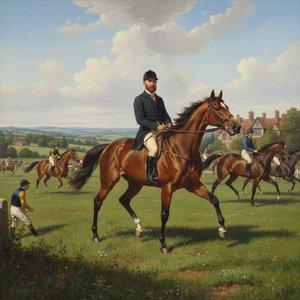
Explore the life & work of John Frederick Herring Sr., a leading Victorian equestrian artist. Discover his masterpieces, patronage, techniques & investment potential. Expert insights for collectors.

Explore the captivating world of Frederick Morgan, a key figure in Victorian Aestheticism. Discover his beautiful paintings, recurring themes, and lasting legacy with our expert analysis. Learn more today!

Explore the captivating Orientalist paintings of John Frederick Lewis! Discover his mastery of detail, genre scenes & influence on 19th-century British art. Learn about his life, techniques & legacy at WahooArt.


 实景预览
实景预览
 发送
发送 分享
分享
 详情
详情 指南
指南

 下载图片
下载图片
 相似作品
相似作品 X射线
X射线 幻灯片播放
幻灯片播放 统计数据
统计数据


 阅读全文
阅读全文









 玻璃选项仅适用于110厘米以下的尺寸。


