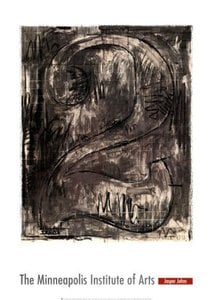
1986
1986 285.0 x 226.0 cm
购买高分辨率增强版数字图像,其品质远超在线预览。
每一份文件都由我们的内部专家使用先进工具与专业的后期润色技术精心打造。我们确保每一张图像都具备卓越的清晰度、精准的色彩还原度以及细腻的细节表现。
最终文件将在 72 小时内通过电子邮件交付,并针对专业、编辑及印刷用途进行了优化。其品质与顶级设计工作室、出版社和画廊所信赖的标准完全一致。
下载高分辨率文件,用于个人展示、打印及创意项目。 ( Switch to Print 购买手绘画作)
选择 WahooArt.com,您获得的不仅仅是一张图像——您收到的是经过专业级增强、精雕细琢的数字艺术作品,并享有满意保证。以下是您的订单中自动包含的所有内容:

您的高分辨率数字图像文件将在下单后 72 小时内通过电子邮件发送给您 —— 即可立即使用。

您的艺术品经过专业优化,结合先进的 AI 技术与人工修饰,确保呈现极致的细节、清晰度与色彩准确度。

不小心删除了文件或找不到了?没关系——我们将随时为您免费重发。

即刻拥有您的艺术作品,无需支付任何关税、税费或运费——数字下载始终免税。

我们通过专业工具与色彩管理技术,确保您的数字图像尽可能真实地还原原作色彩。

如果您对所购数字图像不满意,我们将在100天内为您进行修改或提供100%的全额退款——无需任何理由。

不满意?在收到数字文件后的100天内,您可以申请全额退款——无需任何理由。

购买 3 张图片可享 10% 折扣 - 购买 5 张可享 15% 折扣 - 购买 10+ 张可享 20% 折扣。非常适合创意项目、画廊和机构使用。

Born in Georgia and raised amidst the vibrant, often turbulent, landscape of Chicago’s South Side in 1945, Frederick J. Brown's artistic journey is inextricably linked to his heritage—a potent blend of blues music, working-class roots, and a deep engagement with the complexities of American identity. From an early age, he was immersed in the sounds and stories of the city’s Black community, absorbing the rhythms of jazz and the narratives of hardship and resilience that permeated its streets. This formative experience profoundly shaped his artistic vision, informing his distinctive style—a captivating fusion of abstract expressionism, figurative painting, and a keen interest in portraying marginalized figures within American society.
Brown’s early career unfolded during the dynamic art scene of New York City's SoHo district in the 1970s. He found himself amidst a constellation of influential artists—Willem de Kooning, Jim Nutt, and Richard Lindner—whose work challenged conventional notions of representation and explored themes of sexuality, social critique, and psychological intensity. De Kooning’s encouragement proved particularly pivotal, solidifying Brown's commitment to pushing the boundaries of his own artistic practice. This period witnessed a shift in his style, moving from primarily abstract gestural painting towards a more nuanced approach that incorporated collage elements and a heightened sense of narrative depth.
A defining characteristic of Brown’s oeuvre is his extensive series of portraits dedicated to the giants of jazz and blues music. These are not merely likenesses; they are deeply felt evocations of character, imbued with a palpable sense of history, struggle, and triumph. Influenced by his Chicago upbringing and his lifelong love for the Blues, Brown sought to capture the essence of these musical icons—their spirit, their vulnerability, and their profound impact on American culture. He meticulously researched each subject, often incorporating photographs into his compositions, creating layered visual narratives that blended portraiture with collage.
The portraits are characterized by a distinctive approach: Brown frequently employed bold outlines, gestural brushwork, and a carefully calibrated palette of colors to convey both the physical presence and the inner lives of his subjects. He wasn’t interested in simply replicating appearances; instead, he aimed to distill their personalities—the weariness of a seasoned performer, the intensity of a young innovator, or the quiet dignity of an elder statesman—into powerful visual statements. His work with musicians like Ornette Coleman, Anthony Braxton, and Memphis Slim demonstrates his ability to translate musical energy into compelling visual forms.
As Brown’s career progressed, his artistic interests expanded beyond the realm of jazz portraits. He began exploring a wider range of subjects—gamblers, hustlers, transvestites, and other figures inhabiting the shadowy corners of urban life. These works often carried a subtle undercurrent of social commentary, reflecting on themes of poverty, inequality, and the complexities of American identity. His paintings frequently juxtaposed seemingly disparate elements—historical references, religious iconography, and contemporary imagery—creating visually arresting compositions that demanded close scrutiny.
This period saw the emergence of his “History of Art” series – a monumental undertaking comprising 110 interlocking paintings that traced the evolution of Western art from its earliest beginnings to the present day. This ambitious project served as both a personal reflection on Brown’s own artistic journey and a broader meditation on the enduring power of art to shape our understanding of the world.
Frederick J. Brown's work has garnered significant recognition throughout his career, with pieces held in prestigious collections including the Smithsonian American Art Museum, the Metropolitan Museum of Art, and the Kemper Museum of Contemporary Art. His retrospective exhibition at the National Museum of China in Beijing in 1988 marked a pivotal moment, establishing him as one of the first Western artists to exhibit in mainland China. Brown’s legacy extends beyond his individual achievements; he remains an important figure in American art history—a soulful portraitist who captured the spirit of a nation through his evocative and often challenging works.
Brown passed away in 2012, leaving behind a rich body of work that continues to resonate with audiences today. His paintings serve as powerful reminders of the complexities of the American experience—the beauty and the brutality, the joy and the sorrow, all interwoven into a vibrant tapestry of human life.

1945 - 2012


 效果预览
效果预览
 分享
分享 分享
分享
 详情
详情

 下载
下载
 相似作品
相似作品 X射线
X射线 幻灯片播放
幻灯片播放 Stats
Stats 展开详情
展开详情