由我们的艺术家按需定制,为您提供您所选尺寸及画框的布面手工油画。 ( 切换至版画销售渠道 切换至数字图像销售渠道)





























从与原作比例一致的预设尺寸中进行选择。

您可以输入自定义尺寸,以适配特定的画框或空间。如果所选尺寸与原图比例不符,我们将通过裁剪作品或添加手绘元素来扩展画面。数字样稿将在制作开始前发送给您确认。
请注意,屏幕预览无法准确反映实际的裁剪或扩展效果,只有样稿才能真实呈现最终的构图。
虽然我们提供定制尺寸服务,但为了保留原作比例,建议您从预设列表中选择尺寸。

Pietà
复制品尺寸
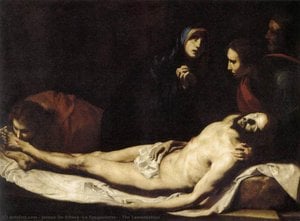
In the quiet, shadowed corridors of art history, few images resonate with as much profound emotional weight as Franz Ritter von Stuck’s 1891 masterpiece, Pietà. This is not merely a depiction of a biblical event; it is a haunting meditation on grief, faith, and the sublime beauty found within human suffering. As a cornerstone of German Symbolism, the painting transcends the boundaries of traditional religious iconography to touch upon the universal experience of loss. When one gazes upon this canvas, they are not just observing a scene from the Passion; they are invited into a dreamlike realm where the line between the physical and the spiritual becomes beautifully blurred.
The composition is a masterclass in dramatic tension and visual balance. Stuck utilizes a horizontal format that provides a sense of monumental stability, yet he directs the viewer's eye through a carefully orchestrated movement of forms. On the right, the figure of Mary dominates the canvas, her sorrowful gaze serving as the emotional anchor of the work. Beneath her, the lifeless body of Christ extends across the left, creating a powerful counterbalance that underscores the central theme of sacrifice. The artist’s use of chiaroscuro—the dramatic interplay between piercing light and impenetrable shadow—sculpts the figures with breathtaking precision, highlighting the musculature of Christ's torso while plunging the background into an atmospheric darkness that amplifies the scene's inherent melancholy.
Stuck’s technical prowess is evident in every meticulously rendered fold of drapery and every subtle nuance of flesh tone. Using oil on canvas, he achieves a rich, tactile surface that captures the fluid movement of Mary’s robes and the heavy, still weight of the deceased Christ. The color palette is intentionally somber, dominated by deep blacks, earthy browns, and muted grays, which serves to heighten the impact of the luminous highlights. A subtle, almost celestial glow surrounds the figures, suggesting a divine presence amidst the earthly tragedy. This light does more than illuminate; it sanctifies the suffering, transforming a moment of profound death into one of eternal grace.
Beyond the technical execution lies a deep well of symbolic meaning. While the Pietà is a traditional motif representing maternal compassion and unwavering devotion, Stuck imbues it with the psychological depth characteristic of the Symbolist movement. The dark, indistinct background acts as a metaphor for death and spiritual void, making the illuminated figures appear as beacons of hope and resilience. For the discerning collector or interior designer, this painting offers more than just aesthetic beauty; it provides a focal point of intense intellectual and emotional gravity. Whether placed in a grand gallery or a contemplative private study, Pietà commands attention, inviting viewers to linger within its shadows and find solace in its silent, powerful narrative of redemption.

1863 - 1928

Discover the exquisite world of Art Nouveau. Explore the elegant fusion of nature and design through architectural masterpieces, organic forms, and the legendary masters of the Belle Époque. Immerse yourself in a journey of timeless sophistication and ornamental beauty.

Discover the enchanting world of Art Nouveau. Explore the flowing lines of Alphonse Mucha and learn how to integrate these timeless, organic masterpieces into your collection with expert guidance on fine art appreciation and preservation.

Embark on a sophisticated journey through the eternal allure of mythological art. Discover how master painters breathe life into ancient legends, from Greek deities to Baroque masterpieces, and learn to curate these timeless narratives within your own exquisite art collection.

Explore the profound beauty of mythological figures through the lens of art history. From Renaissance masterpieces to custom oil reproductions, discover how legendary tales of heroism and divinity are immortalized in fine art for discerning collectors.
Explore the profound power of religious symbolism in art history. From Renaissance masterpieces to sacred iconography, uncover the hidden meanings behind divine details in a deep dive into classical art excellence.


 效果预览
效果预览
 分享
分享 分享
分享
 详情
详情

 下载
下载
 相似作品
相似作品 X射线
X射线 幻灯片播放
幻灯片播放 统计数据
统计数据


 展开详情
展开详情









 玻璃选项仅适用于110厘米以下的尺寸。