
由我们的艺术家按需定制,为您提供您所选尺寸及画框的布面手工油画。 ( 切换至版画销售渠道 切换至数字图像销售渠道)





























从与原作比例一致的预设尺寸中进行选择。

您可以输入自定义尺寸,以适配特定的画框或空间。如果所选尺寸与原图比例不符,我们将通过裁剪作品或添加手绘元素来扩展画面。数字样稿将在制作开始前发送给您确认。
请注意,屏幕预览无法准确反映实际的裁剪或扩展效果,只有样稿才能真实呈现最终的构图。
虽然我们提供定制尺寸服务,但为了保留原作比例,建议您从预设列表中选择尺寸。

Dissonance
复制品尺寸
Franz Von Stuck’s “Dissonance,” painted in 1910, is more than just a depiction of a man and child; it's a profound exploration of the inherent tensions within human experience. Created during a pivotal moment in art history – the rise of Symbolism – this oil on panel work captures the movement’s core tenet: to evoke emotion and provoke thought through symbolic imagery rather than literal representation. Stuck, a key figure in German Symbolism, masterfully utilizes composition and color to create a scene brimming with unsettling beauty and intellectual depth.
The painting immediately confronts the viewer with a striking juxtaposition. A formally dressed man, clearly embodying demonic qualities through his horns and posture, holds a musical instrument—a pipe—while a child clutches a drum. This deliberate pairing creates an immediate sense of discord, reflecting the title’s core theme: dissonance. The setting, a backdrop of a serene blue sky, amplifies this tension, drawing attention to the unsettling interaction between innocence and corruption. Stuck's skill lies in his ability to render both figures with remarkable detail; the man’s suit and tie contrast sharply with his monstrous features, while the child’s simple clothing and gentle expression highlight their vulnerability.
Stuck's technique is characterized by rich, layered brushstrokes and a masterful use of color. The blues of the sky provide a cool counterpoint to the warmer tones used for the figures, further emphasizing their opposing natures. The musical instruments themselves are laden with symbolism – the pipe representing temptation and the drum signifying primal rhythm and perhaps even chaos. The painting’s formal composition, reminiscent of classical mythology, subtly elevates the scene beyond a simple narrative, inviting viewers to contemplate deeper philosophical questions about morality, good versus evil, and the nature of human desire. The panel medium itself adds to the work's tactile quality and reinforces its connection to traditional artistic practices.
"Dissonance" was created during a period of significant social and intellectual upheaval in Europe. The rise of industrialization, coupled with anxieties about modernity, fueled a desire for artists to explore subjective experience and spiritual themes. Stuck’s work aligns perfectly with this movement, rejecting the naturalistic conventions of earlier art styles in favor of a more emotionally resonant approach. His connection to the Museum Villa Stuck in Munich, where the painting resides, places it within a vibrant artistic community dedicated to preserving and promoting Symbolist ideals.
“Dissonance” continues to resonate with viewers today due to its powerful exploration of fundamental human conflicts. The painting’s unsettling beauty, combined with its complex symbolism, invites contemplation and evokes a range of emotions—from fascination to unease. It's a testament to Stuck’s artistic vision and his ability to capture the complexities of the human condition through a uniquely symbolic lens. A hand-painted reproduction offers an unparalleled opportunity to experience this masterpiece in exquisite detail.


1863 - 1928
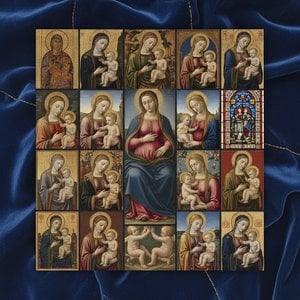
Embark on a sophisticated journey through art history with our curated guide to the most iconic Madonna and Child masterpieces. Discover the profound beauty, theological depth, and enduring legacy of these sacred Renaissance treasures.


 效果预览
效果预览
 分享
分享 分享
分享
 详情
详情

 下载
下载
 相似作品
相似作品 X射线
X射线 幻灯片播放
幻灯片播放 统计数据
统计数据


 展开详情
展开详情









 玻璃选项仅适用于110厘米以下的尺寸。


