
博物馆级艺术微喷或帆布版画,制作高效,并提供多种饰面选择。 ( 购买手绘画作 切换至数字图像销售渠道)





























从与原作比例一致的预设尺寸中进行选择。

您可以输入自定义尺寸,以适配特定的画框或空间。如果您选择的尺寸与原图比例不符,我们将对作品进行裁剪,或通过镜像填充/纯色填充边缘的方式来扩展图像。在开始制作之前,我们会向您发送一份数字效果图供您确认。
请注意,屏幕上的预览并不能反映实际的裁剪或扩展效果。只有效果图才能准确展示最终的构图。
虽然我们提供定制尺寸,但为了保持原图比例,我们建议您从预设列表中选择尺寸。

Grazing Horses I
复制品尺寸
Franz Marc's "Grazing Horses I," painted in 1910, isn’t merely a depiction of horses; it’s an immersion into the artist’s deeply felt spiritual connection with the natural world. Born in Munich in 1880, Marc was profoundly influenced by his father’s landscape painting and, crucially, by Vincent van Gogh's expressive use of color and emotion. This early exposure laid the groundwork for a career dedicated to capturing not just appearances but the very essence of life—particularly as revealed through the eyes of animals. Marc sought to transcend the limitations of representational art, aiming instead to convey an inner experience, a feeling of unity with nature’s rhythms and mysteries. The painting exemplifies this ambition, moving beyond simple observation towards a powerfully symbolic representation.

“Grazing Horses I” firmly resides within the Post-Impressionist movement, a period characterized by artists’ deliberate departure from strict realism in favor of subjective emotional expression. Marc masterfully employs this approach through his bold color choices and dynamic brushstrokes. The horses are rendered in varying shades of blue—a deliberate symbolic gesture, as Marc often associated blue with masculinity and spirituality – contrasting sharply against the vibrant greens of the pasture. These colors aren’t blended smoothly; instead, they're applied with thick, visible strokes that convey a sense of movement and energy. The artist’s hand is clearly present in each mark, imbuing the painting with a raw, almost tactile quality. This technique, combined with the flattened perspective, creates an immediate and emotionally resonant experience for the viewer.
Beyond its striking colors, “Grazing Horses I” is rich in symbolic meaning. The presence of two sports balls—a seemingly incongruous detail – has been interpreted as representing the encroachment of modern society upon the tranquility of the natural world. They serve as a subtle commentary on the artist’s anxieties about the changing landscape and the loss of connection with nature. Furthermore, Marc's consistent use of color to represent specific qualities—blue for masculinity, yellow for femininity – adds layers of interpretation. The horses themselves, often depicted in isolation or small groups, can be seen as symbols of vulnerability and the fleeting beauty of life. The composition invites contemplation on themes of spirituality, solitude, and the relationship between humanity and the animal kingdom.
Franz Marc’s work, including “Grazing Horses I,” profoundly influenced subsequent generations of artists, particularly within the burgeoning field of Expressionism. His association with the Blaue Reiter group—a circle of artists dedicated to exploring spiritual themes through art—further cemented his legacy as a pioneer of modern art. Today, Marc's paintings continue to inspire and resonate with viewers, offering a glimpse into an artist’s deeply felt connection to nature and his unwavering belief in the power of art to convey profound emotional truths. A reproduction of “Grazing Horses I” from WahooArt.com offers a beautiful opportunity to experience this artistic vision firsthand, bringing Marc's evocative world into your home or studio.

1880 - 1916 , 德国
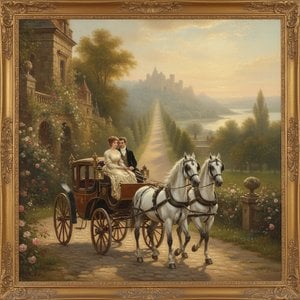
Embark on a visual journey through the romantic world of horse carriage art. Discover the mastery of equestrian oil paintings, from Impressionist textures to classical realism, and learn how to bring timeless elegance into your home with museum-quality reproductions.
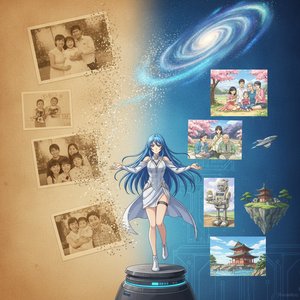
Step into the spotlight with WahooArt's AI-driven transformation. Turn your photos into stunning, hand-painted anime oil masterpieces. Experience the perfect fusion of cutting-edge technology and museum-grade craftsmanship to create a timeless pop-culture legacy for your home.
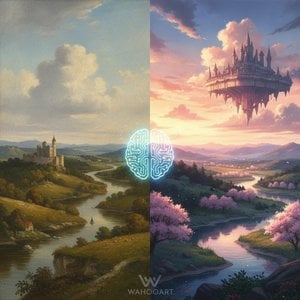
Transform your photos into high-octane action anime masterpieces with WahooArt. Our expert artists blend AI innovation with traditional oil painting to create premium, hand-painted pop culture legacies for your home. Experience museum-quality craftsmanship and a 100% satisfaction guarantee.


 效果预览
效果预览
 分享
分享 分享
分享
 详情
详情

 下载
下载
 相似作品
相似作品 X射线
X射线 幻灯片播放
幻灯片播放 统计数据
统计数据
 展开详情
展开详情









 玻璃选项仅适用于110厘米以下的尺寸。


