x


购买高分辨率增强版数字图像,其品质远超在线预览。
每一份文件都由我们的内部专家使用先进工具与专业的后期润色技术精心打造。我们确保每一张图像都具备卓越的清晰度、精准的色彩还原度以及细腻的细节表现。
最终文件将在 72 小时内通过电子邮件交付,并针对专业、编辑及印刷用途进行了优化。其品质与顶级设计工作室、出版社和画廊所信赖的标准完全一致。
选择 WahooArt.com,您获得的不仅仅是一张图像——您收到的是经过专业级增强、精雕细琢的数字艺术作品,并享有满意保证。以下是您的订单中自动包含的所有内容:

您的高分辨率数字图像文件将在下单后 72 小时内通过电子邮件发送给您 —— 即可立即使用。

您的艺术品经过专业优化,结合先进的 AI 技术与人工修饰,确保呈现极致的细节、清晰度与色彩准确度。

不小心删除了文件或找不到了?没关系——我们将随时为您免费重发。

即刻拥有您的艺术作品,无需支付任何关税、税费或运费——数字下载始终免税。

我们通过专业工具与色彩管理技术,确保您的数字图像尽可能真实地还原原作色彩。

如果您对所购买的数字图像不满意,我们将在60天内为您进行修改或退还100%的款项——无需任何解释。

如果不满意?在收到数字文件后的60天内,我们为您提供全额退款——无需任何理由。

购买 3 张图片可享 10% 折扣 - 购买 5 张可享 15% 折扣 - 购买 10+ 张可享 20% 折扣。非常适合创意项目、画廊和机构使用。
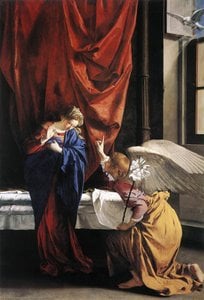
Franz Anton Maulbertsch’s “L’Annonciation,” a captivating study for a grand fresco, offers a glimpse into the vibrant Rococo world of 18th-century Austria. Completed around 1755, this work transcends mere religious depiction; it's a masterful exploration of light, emotion, and the profound significance of a pivotal moment in Christian belief. The painting, currently residing within the esteemed collections of the Louvre Museum, invites viewers into a scene brimming with grace, drama, and an almost palpable sense of divine presence.
Maulbertsch, born in Langenargen in 1724, skillfully bridged the gap between the dramatic intensity of the late Baroque and the burgeoning elegance of the Rococo. Influenced by giants like Paul Troger and the Venetian masters – particularly Piazzetta and Giovanni Battista Pittoni – he developed a distinctive style characterized by rich color palettes, dynamic compositions, and an expressive use of light and shadow. His training in Vienna provided him with a solid foundation, but it was his independent study and experimentation that truly shaped his artistic voice, allowing him to synthesize diverse influences into a uniquely personal vision.
The composition immediately draws the eye upwards towards the Archangel Gabriel, descending from the heavens in a gesture of profound respect. Maulbertsch employs a masterful chiaroscuro technique – a dramatic contrast between light and dark – to heighten the emotional impact of the scene. A radiant light source illuminates Mary’s face and the figures of Gabriel and the cherubs, casting much of the background into deep shadow. This strategic use of light not only creates depth but also emphasizes the sacredness of the event, evoking a sense of mystery and awe.
The color palette is predominantly warm, dominated by rich browns, golds, and reds, accented with touches of blue and white. Mary’s robes are rendered in deep blues, symbolizing her purity and royal status, while Gabriel's garments shimmer with gold and white, reflecting his divine nature. The muted background, a dark brown, serves to further accentuate the brilliance of the figures and create a sense of spatial recession. The artist’s meticulous layering of glazes – a hallmark of oil painting technique – contributes to the work’s luminous quality and remarkable depth.
“L'Annonciation” is, at its core, a depiction of the Annunciation, the moment when the Archangel Gabriel informs Mary that she will conceive and bear the son of God. Beyond the literal narrative, however, the painting is rich in symbolism. The dove, frequently associated with the Holy Spirit, appears between Mary and Gabriel, signifying divine grace and the promise of salvation. Mary’s posture – a mixture of surprise and contemplative acceptance – perfectly captures the gravity of the message she receives. The cherubs surrounding Gabriel further emphasize the heavenly context of this momentous event.
The painting exemplifies the key characteristics of Rococo art: its emphasis on elegance, grace, and emotional expression. Maulbertsch’s skillful use of curvilinear lines, dynamic composition, and vibrant color palette creates a visually stunning work that is both intellectually stimulating and emotionally resonant. “L'Annonciation” stands as a testament to the artist’s mastery of technique and his ability to capture the essence of a profound religious narrative within a framework of exquisite beauty. It remains a captivating example of Rococo art, offering viewers a glimpse into the artistic sensibilities of 18th-century Austria.


1724 - 1796 , 德国


第一时间获取最新的艺术新闻、独家优惠及装饰灵感。
向我们介绍您的项目需求,我们的艺术专家将为您提供 3 个个性化的艺术品推荐。
由我们的专家为您精选 3 款心仪之作 —— 完全免费!


 效果预览
效果预览
 购买印刷品
购买印刷品 分享
分享 分享
分享
 详情
详情

 下载
下载
 相似作品
相似作品 X射线
X射线 幻灯片播放
幻灯片播放

 展开详情
展开详情