
博物馆级艺术微喷或帆布版画,制作高效,并提供多种饰面选择。 ( 购买手绘画作 切换至数字图像销售渠道)





























从与原作比例一致的预设尺寸中进行选择。

您可以输入自定义尺寸,以适配特定的画框或空间。如果您选择的尺寸与原图比例不符,我们将对作品进行裁剪,或通过镜像填充/纯色填充边缘的方式来扩展图像。在开始制作之前,我们会向您发送一份数字效果图供您确认。
请注意,屏幕上的预览并不能反映实际的裁剪或扩展效果。只有效果图才能准确展示最终的构图。
虽然我们提供定制尺寸,但为了保持原图比例,我们建议您从预设列表中选择尺寸。

Proporciones
复制品尺寸
František Kupka’s ‘Proporciones’ stands as a pivotal work, not merely a painting but a declaration – a bold step into the uncharted territory of abstract art. Completed in an era brimming with intellectual and artistic upheaval, this piece, executed around 1910, embodies the spirit of experimentation that defined the early years of modernism. It's a study in controlled chaos, a meticulously constructed composition where geometric forms and carefully chosen colors wrestle for dominance, ultimately creating a deeply resonant visual experience. The painting’s restrained palette – beige, red, dark blue, and various shades of gray and purple – speaks to Kupka’s desire to strip away representational illusion and focus purely on the fundamental elements of color and shape.
‘Proporciones’ transcends mere geometric abstraction; it's laden with symbolic potential. The title itself suggests an engagement with fundamental relationships – not just mathematical, but perhaps also musical or spiritual. The intersecting rectangles can be interpreted as visual representations of forces interacting, echoing the core tenets of Orphism, a branch of Cubism that prioritized color and emotional response over strict representational accuracy. Kupka’s exploration of pure form and color relationships was deeply influenced by his interest in spirituality and his belief in the underlying harmony of the universe.
Created during a period of intense artistic ferment, ‘Proporciones’ exemplifies Kupka's pioneering role in the development of abstract art. His work anticipated many of the key developments of 20th-century modernism, influencing artists like Kandinsky and Mondrian. This painting is more than just a beautiful object; it’s a window into the mind of a visionary artist who dared to challenge conventional notions of representation and explore the boundless possibilities of color and form. Its enduring appeal lies in its ability to evoke a sense of both order and dynamism, inviting viewers to contemplate the fundamental relationships that shape our visual world.


1871 - 1957

Discover the power of Neo-Abstract art. Explore how bold geometric forms and high-impact visual energy are redefining modern design. Learn to curate sophisticated, high-energy spaces with the latest trends in contemporary abstraction and structural color.
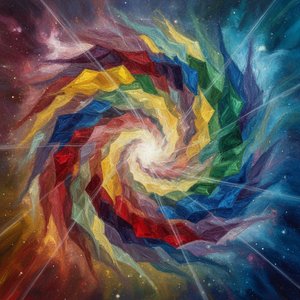
Dive into the high-energy world of Orphism. Discover how this color revolution broke Cubism's rules to define modern abstraction through light, motion, and pure visual impact. Explore the legacy of the Delaunays and bring bold, vibrant energy to your contemporary space.

Journey through Wassily Kandinsky's 25 most iconic abstract paintings. Explore his revolutionary use of color, form & spiritual expressionism. Find museum-quality Kandinsky reproductions and elevate your home decor with WahooArt.com. Discover all masterpieces on WahooArt.com!

探索几何抽象艺术的十大杰作!康定斯基、蒙德里安等大师作品,色彩构成与非具象之美。WahooArt.com提供博物馆级艺术复制品,为您的家居带来现代艺术灵感。立即在线探索完整系列!

探索费尔南·莱热25幅经典杰作!深入了解这位立体主义大师的管形主义风格、机械美学与色彩构成。WahooArt提供高清艺术复制品,为您的家居带来现代艺术气息。立即发现更多名画,打造专属艺术空间!


 效果预览
效果预览
 分享
分享 分享
分享
 详情
详情

 下载
下载
 相似作品
相似作品 X射线
X射线 幻灯片播放
幻灯片播放 统计数据
统计数据

 展开详情
展开详情









 玻璃选项仅适用于110厘米以下的尺寸。


