Oil On CanvasWallArtBaroque
 1626
1626 22.0 x 17.0 cm
 大都会艺术博物馆
博物馆级艺术微喷或帆布版画,制作高效,并提供多种饰面选择。 ( 购买手绘画作 切换至数字图像销售渠道)





























从与原作比例一致的预设尺寸中进行选择。

您可以输入自定义尺寸,以适配特定的画框或空间。如果您选择的尺寸与原图比例不符,我们将对作品进行裁剪,或通过镜像填充/纯色填充边缘的方式来扩展图像。在开始制作之前,我们会向您发送一份数字效果图供您确认。
请注意,屏幕上的预览并不能反映实际的裁剪或扩展效果。只有效果图才能准确展示最终的构图。
虽然我们提供定制尺寸,但为了保持原图比例,我们建议您从预设列表中选择尺寸。

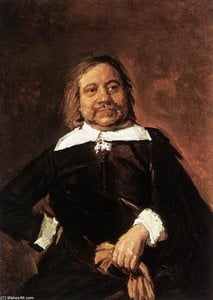
Petrus Scriverius
复制品尺寸
Frans Hals’s “Petrus Scriverius,” painted in 1626, isn't merely a likeness; it’s a carefully constructed tableau of intellect, status, and the subtle pleasures of scholarly life. This intimate portrait, rendered in Hals’s signature loose brushwork and vibrant palette, offers a rare glimpse into the world of a Dutch humanist – a man who valued learning, refinement, and the quiet dignity of intellectual pursuits. The painting immediately draws the viewer in with its direct gaze; Scriverius meets the eye with an air of thoughtful composure, his expression hinting at both wisdom and a touch of wry amusement.
Hals’s masterful technique is evident in every detail. Note the remarkable rendering of texture – the heavy velvet of his coat, the intricate weave of his wig, the subtle sheen on his hands resting upon a book. The artist employs a technique known as “stiacciato,” building up layers of paint to create a sense of depth and volume, particularly noticeable in the folds of the fabric. The background is deliberately blurred, directing all attention onto Scriverius himself – a deliberate choice that emphasizes his importance within the composition. Hals’s use of light and shadow further enhances the portrait's realism, creating a three-dimensional effect that invites close inspection.
Painted during the Dutch Golden Age, “Petrus Scriverius” reflects the burgeoning intellectual climate of the time. The Netherlands was experiencing a remarkable cultural renaissance, fueled by trade, exploration, and a renewed interest in classical learning. Humanist ideals – emphasizing reason, ethics, and the study of the humanities – were gaining traction, and figures like Scriverius played a vital role in preserving and disseminating knowledge. The inclusion of the book is paramount; it’s not just an object but a symbol of Scriverius's identity—a scholar immersed in the world of letters.
Beyond the obvious symbolism of learning, subtle details reveal deeper layers of meaning. The gloves he holds are a clear indicator of his social standing and gentlemanly bearing – a marker of respectability within the Dutch society of the era. The carefully arranged setting—a simple, yet elegant interior—suggests a private study, a space dedicated to contemplation and intellectual work. Even the muted colors contribute to the overall mood: they evoke a sense of quiet sophistication and understated elegance.
This portrait is part of a pair – a marriage pendant – alongside its counterpart depicting Scriverius's wife, Anna van der Aar. Hals frequently created these paired portraits, often presenting them as gifts to commemorate significant milestones in the couple’s lives, particularly their 25th wedding anniversary. This pairing underscores the importance of family and domestic life within the broader context of intellectual pursuits. The composition itself—the figures closely positioned together—suggests a deep connection between husband and wife, further enriching the portrait's narrative.
Interestingly, the painting is monogrammed with “PH,” indicating Frans Hals’s signature. This subtle detail serves as a testament to the artist’s pride in his work and reinforces the importance of this particular commission. The fact that these portraits were retained as family keepsakes speaks volumes about their enduring value and the affection they inspired.
“Petrus Scriverius” transcends a simple likeness; it’s a powerful evocation of intellect, dignity, and quiet contemplation. Hals masterfully captures not just Scriverius's physical appearance but also his inner character—his intelligence, his composure, and perhaps even a hint of melancholy. The painting invites the viewer to step into Scriverius’s world, to share in his intellectual pursuits, and to appreciate the beauty of a life dedicated to learning.
WahooArt offers meticulously crafted reproductions of this iconic masterpiece, allowing you to bring its timeless elegance into your home or office. Our high-quality prints capture the nuances of Hals’s brushwork and color palette with exceptional fidelity, ensuring that you experience the full emotional impact of this remarkable portrait. Whether you are an art enthusiast, a collector, or simply seeking a piece of history to adorn your space, a reproduction of “Petrus Scriverius” is sure to be a treasured addition to your collection.

大约在1580年,弗兰斯·哈尔斯一世诞生于比利时安特卫普。尽管他早期的生活细节鲜为人知,但他很快便成为荷兰黄金时代最重要的画家之一,以其创新的肖像画和风俗画而闻名。哈尔斯并非仅仅是一位技艺精湛的艺术家,更是一位敏锐的观察者,一位能够捕捉人物灵魂深处情感的诗人。
关于哈尔斯早期的训练情况记载不多,普遍认为他最初在安特卫普接受了绘画教育。然而,由于宗教和政治动荡,他的家庭迁居荷兰哈勒姆。1610年,他加入了哈勒姆圣卢卡行会,标志着其职业生涯的正式开始。安特卫普的艺术氛围为他奠定了坚实的基础,而哈勒姆则成为了他挥洒才华、逐渐成名的舞台。那个时代,荷兰正经历着经济繁荣和文化蓬勃发展时期,这无疑也影响了哈尔斯作品的主题和风格。
哈尔斯以其清新而自发的画风独树一帜。与许多同时代画家注重精细刻画不同,他采用了一种自由奔放的笔触。这种技法赋予了他的作品一种鲜活的生命力,能够生动地展现人物的个性和气质,这在当时是一项革命性的突破。他的肖像画并非简单的容貌复制,而是深刻的心理研究。他擅长捕捉转瞬即逝的瞬间——欢笑、交谈或沉思,将这些稍纵即逝的情感凝固于画布之上。
哈尔斯对光影的运用也极具匠心,为他的构图增添了深度和戏剧性。他善于利用光线来突出人物的面部特征和情感表达,营造出一种引人入胜的氛围。这种对光线的敏锐感知和巧妙运用,使得他的作品充满了活力和感染力。
哈尔斯创作了大量的作品,其中以肖像画最为著名。他的一些最受赞誉的作品包括:
此外,他还创作了许多引人入胜的风俗画——描绘日常生活的场景,为人们提供了了解荷兰社会风貌的窗口。
确定哈尔斯直接的影响因素颇具挑战性,因为他发展出了一种高度个性化的风格。然而,可以肯定的是,他对早期佛兰德斯画家如彼得·勃鲁盖尔的作品有所了解。他的创新肖像画方法对后世的艺术家产生了深远影响。
弗兰斯·哈尔斯一世在塑造荷兰黄金时代的绘画方面发挥了至关重要的作用。他的作品反映了当时荷兰蓬勃的繁荣和个人主义精神。他摆脱了僵化的形式,转向一种更自然、更具表现力的风格,为艺术世界留下了持久的遗产。
今天,他的画作备受追捧,可以在世界各大博物馆找到,包括哈勒姆的弗兰斯·哈尔斯博物馆,那里收藏了他最多的作品。他的贡献继续激励着艺术家,几个世纪以来一直吸引着观众。

1580 - 1585 , 比利时

Embark on a sophisticated journey through the Dutch Golden Age. Unveil the dramatic brilliance of Rembrandt’s chiaroscuro and the expressive landscapes of 17th-century masters in this authoritative exploration of light, shadow, and enduring artistic legacy.

Explore the dramatic mastery of Dutch Baroque art. Discover how chiaroscuro and light define the Golden Age, from Rembrandt's shadows to maritime grandeur. Perfect for classic art enthusiasts seeking deep historical insight and inspiration.


 效果预览
效果预览
 分享
分享 分享
分享
 详情
详情 指南
指南

 下载
下载
 相似作品
相似作品 X射线
X射线 幻灯片播放
幻灯片播放 统计数据
统计数据 展开详情
展开详情









 玻璃选项仅适用于110厘米以下的尺寸。