
x


 Oil On CanvasWallArtBaroque
 1724
1724 184.0 x 149.0 cm
 卢浮宫
卢浮宫




























从与原作比例一致的预设尺寸中进行选择。

您可以输入自定义尺寸,以适配特定的画框或空间。如果您选择的尺寸与原图比例不符,我们将对作品进行裁剪,或通过镜像填充/纯色填充边缘的方式来扩展图像。在开始制作之前,我们会向您发送一份数字效果图供您确认。
请注意,屏幕上的预览并不能反映实际的裁剪或扩展效果。只有效果图才能准确展示最终的构图。
虽然我们提供定制尺寸,但为了保持原图比例,我们建议您从预设列表中选择尺寸。

Hercules and Omphale
复制品尺寸
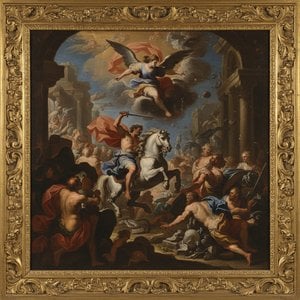
François Lemoyne's "Hercules and Omphale," painted in 1724, isn’t merely a depiction of a mythological tale; it’s an exquisitely rendered exploration of desire, power, and the blurring lines between masculine and feminine. This captivating work, housed within the opulent confines of the Louvre Museum in Paris, offers a glimpse into the heart of the Rococo era – a period defined by its embrace of sensuality, playful extravagance, and a deliberate rejection of the rigid formality of preceding artistic movements. Lemoyne, a master painter deeply influenced by the grandeur of Rubens, skillfully translates this spirit into a scene brimming with dynamic energy and subtle emotional complexity.
The narrative itself is rooted in Greek mythology – Hercules, famed for his strength and twelve labors, finds himself unexpectedly bound to Omphale, the alluring queen of Lydia. Initially a consequence of servitude, their relationship swiftly evolves into an intense, almost unsettling, exchange of roles. The painting captures this pivotal moment: Hercules, rendered with a youthful vitality that belies his legendary status, leans towards Omphale, his gaze fixed upon her with unmistakable admiration. She, in turn, holds him gently, her expression a captivating blend of amusement and desire. The scene unfolds within a lavishly decorated boudoir – a testament to the queen’s wealth and influence – where crimson velvet drapes cascade from the bed, scattering decorative objects across the floor, creating an atmosphere of delightful chaos.
Lemoyne's technical prowess is immediately evident in the painting’s rich textures and masterful use of chiaroscuro. The artist employs a layering technique – a hallmark of Baroque painting – to build up color and create an astonishingly tactile surface. The folds of fabric ripple with life, each thread seemingly rendered with meticulous detail; the musculature of Hercules is both powerful and subtly idealized, while Omphale’s form is presented with a delicate grace. Notice how light dramatically sculpts their bodies, highlighting key features and casting intriguing shadows that deepen the sense of intimacy. The composition itself is carefully orchestrated – a diagonal arrangement of figures creates a dynamic flow, drawing the viewer's eye through the scene and emphasizing the central interaction.
The use of color is particularly noteworthy. Lemoyne employs a palette dominated by warm ochres, earthy browns, and vibrant reds, creating a visual feast that’s both luxurious and emotionally resonant. The bold red of the velvet canopy serves as a dramatic backdrop, further intensifying the scene's sensual atmosphere. Furthermore, the artist subtly incorporates symbolic elements – the lion’s pelt draped over Omphale’s shoulder represents Hercules’ former status as a slave, while her possession of his club signifies a temporary reversal of power dynamics. The presence of Cupid, a small but significant detail, underscores the theme of passionate love and transformation.
“Hercules and Omphale” is far more than a simple retelling of a mythological story; it’s a complex meditation on themes of gender roles, desire, and the fluidity of power. The painting deliberately subverts traditional depictions of Hercules – typically portrayed as an imposing figure of strength and authority – by presenting him in a vulnerable, almost effeminate pose. His embrace of Omphale's breast is not one of dominance but of surrender, suggesting a willingness to relinquish control and indulge in the pleasures of the moment.
Omphale’s role is equally significant. She isn’t merely a passive recipient of Hercules’ affections; she actively participates in the exchange, holding his club and wearing his lion's skin – symbols of his former status. This act of appropriation challenges conventional notions of masculinity and femininity, suggesting that power can be fluid and subject to change. The painting invites us to question established hierarchies and consider the possibility of a more reciprocal relationship between men and women.
François Lemoyne’s “Hercules and Omphale” stands as a quintessential example of Rococo art – a style characterized by its elegance, sensuality, and playful exuberance. Influenced by the works of Rubens, Lemoyne masterfully blends classical subject matter with contemporary French tastes, creating a work that is both visually stunning and intellectually stimulating. The painting’s enduring appeal lies in its ability to capture the complexities of human desire and the shifting dynamics of power – themes that continue to resonate with audiences today. Reproductions of this masterpiece offer a chance to bring this captivating scene into your own home, adding a touch of Rococo grandeur and timeless allure to any space.


1688 - 1737 , 法国

Embark on a sophisticated journey through the eternal allure of mythological art. Discover how master painters breathe life into ancient legends, from Greek deities to Baroque masterpieces, and learn to curate these timeless narratives within your own exquisite art collection.
Explore the breathtaking power of Baroque art. Delve into the dramatic interplay of light, shadow, and motion through the works of masters like Caravaggio. Discover how the era's intense emotional realism continues to inspire collectors and connoisseurs of classical grandeur.

Explore the breathtaking drama of the Baroque era. From the mastery of chiaroscuro to epic mythological narratives, discover a definitive guide to art's most powerful period of light, shadow, and emotion for the true classical art enthusiast.

Explore the profound elegance of Baroque Classicism. Discover how masters fused dramatic chiaroscuro with structured order to redefine art history through light, shadow, and emotional grandeur.


第一时间获取最新的艺术新闻、独家优惠及装饰灵感。
向我们介绍您的项目需求,我们的艺术专家将为您提供 3 个个性化的艺术品推荐。
由我们的专家为您精选 3 款心仪之作 —— 完全免费!


 效果预览
效果预览
 购买手绘画作
 分享
分享 分享
分享
 详情
详情

 下载
下载
 相似作品
相似作品 X射线
X射线 幻灯片播放
幻灯片播放 展开详情
展开详情









 玻璃选项仅适用于110厘米以下的尺寸。


