
由我们的艺术家按需定制,为您提供您所选尺寸及画框的布面手工油画。 ( 切换至版画销售渠道 切换至数字图像销售渠道)
从与原作比例一致的预设尺寸中进行选择。

您可以输入自定义尺寸,以适配特定的画框或空间。如果所选尺寸与原图比例不符,我们将通过裁剪作品或添加手绘元素来扩展画面。数字样稿将在制作开始前发送给您确认。
请注意,屏幕预览无法准确反映实际的裁剪或扩展效果,只有样稿才能真实呈现最终的构图。
虽然我们提供定制尺寸服务,但为了保留原作比例,建议您从预设列表中选择尺寸。

Allegorical Figure
复制品尺寸
François Girardon's "Allegorical Figure," crafted in 1672, stands as a testament to the artistic flourishing of late Baroque France and the meticulous craftsmanship that defined the reign of Louis XIV. More than simply a sculpture, it is a carefully constructed embodiment of virtue and power—a visual meditation on wisdom, justice, and the enduring legacy of classical ideals. The piece, currently housed within the Metropolitan Museum of Art, offers a captivating glimpse into the artistic sensibilities of its time, revealing both the grandeur of royal patronage and Girardon’s profound understanding of form and symbolism.
The sculpture itself is rendered in rich, warm marble—a choice that immediately evokes a sense of timelessness and solidity. Girardon masterfully employs subtractive carving, meticulously removing material to reveal the underlying structure and create an astonishingly lifelike quality within the stone. The figure, seated with an air of serene authority, is draped in flowing robes that cascade around her form, creating a dynamic interplay between movement and stillness. Her gaze is direct and contemplative, inviting the viewer into a silent dialogue—a hallmark of classical portraiture seeking to capture not just appearance but also inner character.
Beyond its technical brilliance, “Allegorical Figure” is deeply imbued with symbolic meaning. The draped garments are not merely decorative; they represent the virtues traditionally associated with female figures in art—wisdom, justice, and piety. Crucially, the object held delicately within her hands – a stylized crown-like symbol – speaks to authority and power, subtly suggesting the role of leadership and governance. While often interpreted as representing Justice, the overall composition leans towards an embodiment of Wisdom, reflecting the importance placed on intellectual pursuits during Louis XIV’s era. The subtle inclusion of elements like the poppy (a symbol of sleep) within her left hand adds a layer of complexity, hinting at the cyclical nature of life and the pursuit of virtue amidst earthly concerns.
The sculpture's origins are rooted in the funerary monument commissioned for Anne-Marie de Bourbon, princesse de Conti. This context is vital to understanding the work’s intended purpose: to honor a deceased noblewoman through an allegorical representation of her virtues. The original design included further symbolic elements – an anchor representing hope and a flaming heart signifying charity – demonstrating Girardon's ability to seamlessly integrate complex iconography into a cohesive whole.
François Girardon’s career was inextricably linked with the ambitions of Louis XIV, and “Allegorical Figure” exemplifies this relationship. The King’s court demanded an artistic style that blended classical ideals with Baroque exuberance—a synthesis that Girardon expertly achieved. His work served as a powerful visual statement of royal authority and cultural refinement, reflecting the grandeur of Versailles and the power of the French monarchy. The sculpture's journey through history – from its initial placement in the church of Saint-André-des-Arts to its relocation to the Metropolitan Museum—testifies to its enduring artistic merit and its significance within the broader narrative of French art.
Today, “Allegorical Figure” continues to captivate viewers with its exquisite detail, profound symbolism, and timeless beauty. It stands as a remarkable achievement in sculptural artistry—a poignant reminder of the power of art to communicate complex ideas and evoke enduring emotions. Reproductions offer an accessible way to experience this masterpiece, bringing its serene majesty into homes and spaces where it can inspire contemplation and appreciation for the legacy of François Girardon.


1628 - 1715 , 法国
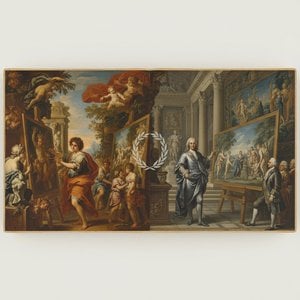
Explore the life & art of Simon Vouet, a pivotal French Baroque painter who introduced Italian styles to France. Discover his masterpieces and lasting influence on 17th-century art.

Journey through art history with our Top 10 bronze sculptures! Explore masterpieces by Rodin, Michelangelo & more. Discover stories behind iconic statues and find museum-quality reproductions for your home decor at WahooArt.com.
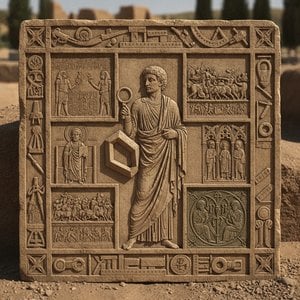
Explore the profound beauty of sculptural relief art. From classical bas-relief to modern geometric textures, discover how depth and light transform spaces through an expert guide on art history and sophisticated curation for discerning collectors.
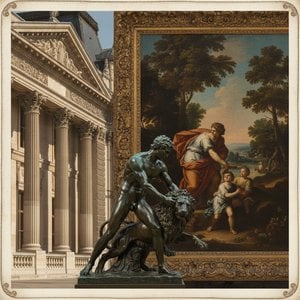
Explore the profound elegance of Baroque Classicism. Discover how 17th-century masters synthesized dramatic emotion with classical order through the lens of the Counter-Reformation and the works of legends like Carlo Maratta and Andrea Sacchi.

Explore the life & art of Charles Le Brun, master of French Baroque Classicism. Discover his royal commissions, influence on Versailles, and enduring legacy through detailed analysis & stunning artworks.


 分享
分享 分享
分享
 详情
详情 指南
指南

 下载
下载
 相似作品
相似作品 幻灯片播放
幻灯片播放 统计数据
统计数据


 展开详情
展开详情






































 玻璃选项仅适用于110厘米以下的尺寸。


